Communist Manifesto (version 2)
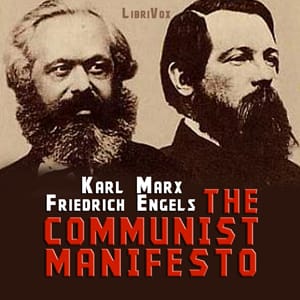
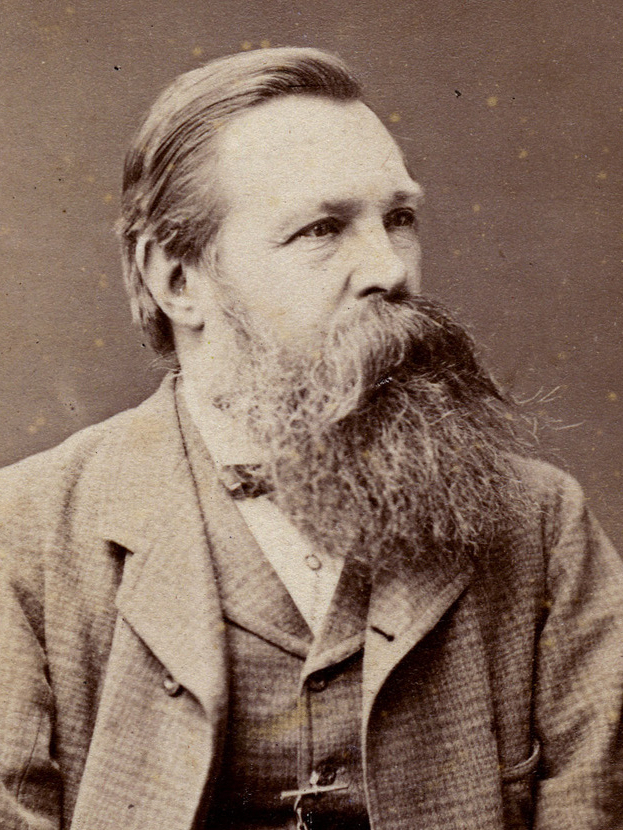
A revolutionary tract that changed the course of history. Published in the turbulent year of 1848, The Communist Manifesto was written for the working men and women of Europe who were beginning to understand that the new industrial order had stolen their dignity along with their livelihoods. Marx and Engels argued that modern capitalism had created only two true classes: the bourgeoisie who owned the factories, and the proletarians who sold their labor to survive. The efficiency of capital, they insisted, depended entirely on how little workers would accept for their toil. The text traces the logic of class conflict to its explosive conclusion: that workers have nothing to lose but their chains, and everything to gain by uniting across borders to overthrow a system designed to enrich the few at the expense of the many. It is both a ruthless analysis of industrial capitalism's contradictions and a rallying cry for international solidarity among laborers. More than a political document, The Manifesto remains essential reading for anyone who wants to understand the origins of modern ideological conflict, the roots of labor movements, and the persistent question of how societies should organize work and wealth.
Editions


Link to this book
Add a free, dofollow link to Lex on your blog, forum, syllabus, or reading list.

<a href="https://lex-books.com/book/communist-manifesto-version-2-183943db-cb60-4440-b343-77664417ec12"><img src="https://lex-books.com/badges/read-on-lex.svg" alt="Read Communist Manifesto (version 2) by Friedrich Engels free on Lex" width="160" height="40"></a>[](https://lex-books.com/book/communist-manifesto-version-2-183943db-cb60-4440-b343-77664417ec12)[url=https://lex-books.com/book/communist-manifesto-version-2-183943db-cb60-4440-b343-77664417ec12][img]https://lex-books.com/badges/read-on-lex.svg[/img][/url]Read Communist Manifesto (version 2) by Friedrich Engels free on Lex: https://lex-books.com/book/communist-manifesto-version-2-183943db-cb60-4440-b343-77664417ec12Cite this book
Reading this edition for a paper or guide? Copy a citation.
Engels, Friedrich. Communist Manifesto (version 2). Lex, lex-books.com/book/communist-manifesto-version-2-183943db-cb60-4440-b343-77664417ec12.Engels, F. (n.d.). Communist Manifesto (version 2). Lex. https://lex-books.com/book/communist-manifesto-version-2-183943db-cb60-4440-b343-77664417ec12Engels, Friedrich. Communist Manifesto (version 2). Lex. https://lex-books.com/book/communist-manifesto-version-2-183943db-cb60-4440-b343-77664417ec12.