Clio
1922
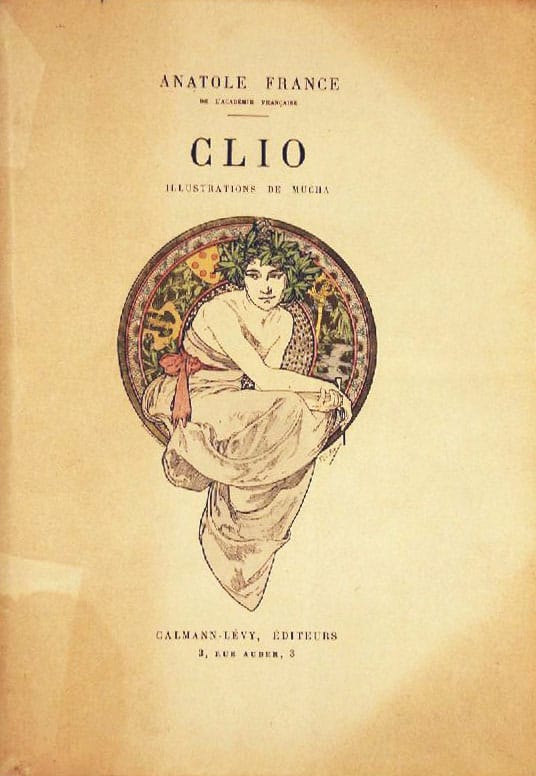
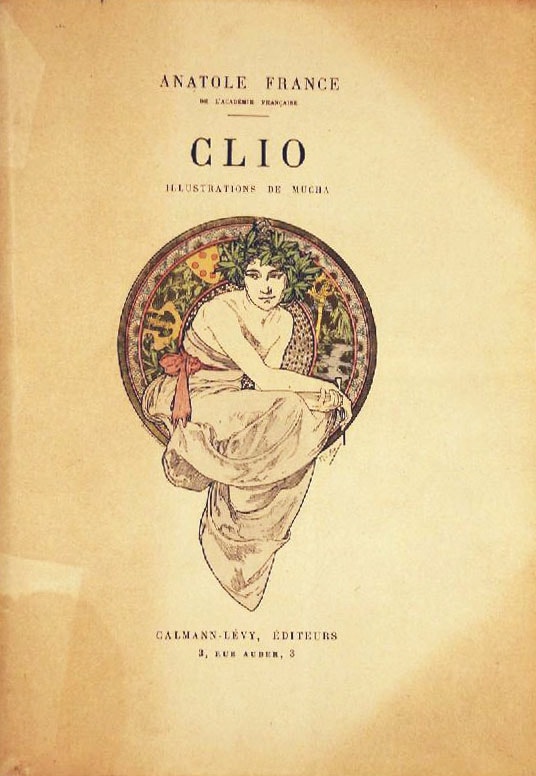
An aging bard, blind but not bereft of vision, walks the roads of ancient Kyme toward home after a day of singing for a king. This is Anatole France at his most lyrical, meditating on what remains when sight fades and youth becomes memory. The Vieillard carries three generations of wandering in his bones, his lyre, and his loyal dog at his side. Through smoke-stained verses and the faces of children to whom he teaches poetry, France weaves a quiet meditation on art's strange persistence against time's erasures. The novel asks what any creator leaves behind: whether the song outlives the singer, whether memory is its own form of sight, and what the divine demands of those who serve it. France writes with the serene sadness of a man who knows that all things pass, yet finds in that passing something like grace. The prose has the quality of late afternoon light, golden and slowing. Those who cherish philosophical fiction, who prefer their novels to unfold like quiet prayers, will find here a small, aching gem.
Editions
Link to this book
Add a free, dofollow link to Lex on your blog, forum, syllabus, or reading list.

<a href="https://lex-books.com/book/clio-22754d43-f2e1-41fe-b09c-b4fc01296274"><img src="https://lex-books.com/badges/read-on-lex.svg" alt="Read Clio by Anatole France free on Lex" width="160" height="40"></a>[](https://lex-books.com/book/clio-22754d43-f2e1-41fe-b09c-b4fc01296274)[url=https://lex-books.com/book/clio-22754d43-f2e1-41fe-b09c-b4fc01296274][img]https://lex-books.com/badges/read-on-lex.svg[/img][/url]Read Clio by Anatole France free on Lex: https://lex-books.com/book/clio-22754d43-f2e1-41fe-b09c-b4fc01296274Cite this book
Reading this edition for a paper or guide? Copy a citation.
France, Anatole. Clio. Lex, lex-books.com/book/clio-22754d43-f2e1-41fe-b09c-b4fc01296274.France, A. (1922). Clio. Lex. https://lex-books.com/book/clio-22754d43-f2e1-41fe-b09c-b4fc01296274France, Anatole. Clio. Lex. https://lex-books.com/book/clio-22754d43-f2e1-41fe-b09c-b4fc01296274.