Children of the Ghetto: A Study of a Peculiar People
1892
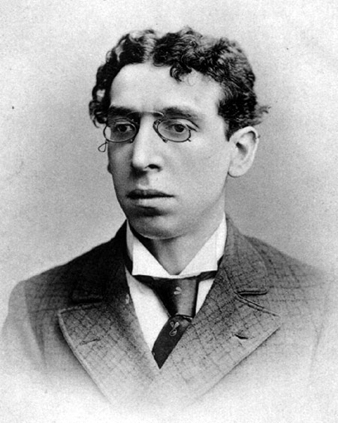
Before there was a Jewish-American novel, there was this: a fearless, intimate portrait of immigrant life in London's darkest quarter, written by a man who grew up there. Israel Zangwill's 1892 masterpiece tore back the curtain on a world that both Christians and assimilationist Jews found uncomfortable - the poverty, the traditions, the clashes between the old world and the new. Through the eyes of young Esther Ansell, we enter the labyrinth of Whitechapel's streets, where a girl must learn to survive while her family fractures under the weight of poverty and prejudice. This is not nostalgic heritage fiction; it's a raw, often uncomfortable examination of a community preserving itself against forces that would see it erased or absorbed. Zangwill writes with anthropologist precision and novelist's heart, capturing the internal battles over tradition, the weight of expectation, the hunger that shapes every choice. The book scandalized the respectable and moved everyone else. It remains essential reading for anyone who wants to understand immigrant literature, Jewish identity, or the cost of belonging nowhere and everywhere at once.
Editions
Link to this book
Add a free, dofollow link to Lex on your blog, forum, syllabus, or reading list.

<a href="https://lex-books.com/book/children-of-the-ghetto-a-study-of-a-peculiar-people-fc59b0fa-0dea-4332-9800-a1f0dc842811"><img src="https://lex-books.com/badges/read-on-lex.svg" alt="Read Children of the Ghetto: A Study of a Peculiar People by Israel Zangwill free on Lex" width="160" height="40"></a>[](https://lex-books.com/book/children-of-the-ghetto-a-study-of-a-peculiar-people-fc59b0fa-0dea-4332-9800-a1f0dc842811)[url=https://lex-books.com/book/children-of-the-ghetto-a-study-of-a-peculiar-people-fc59b0fa-0dea-4332-9800-a1f0dc842811][img]https://lex-books.com/badges/read-on-lex.svg[/img][/url]Read Children of the Ghetto: A Study of a Peculiar People by Israel Zangwill free on Lex: https://lex-books.com/book/children-of-the-ghetto-a-study-of-a-peculiar-people-fc59b0fa-0dea-4332-9800-a1f0dc842811Cite this book
Reading this edition for a paper or guide? Copy a citation.
Zangwill, Israel. Children of the Ghetto: A Study of a Peculiar People. Lex, lex-books.com/book/children-of-the-ghetto-a-study-of-a-peculiar-people-fc59b0fa-0dea-4332-9800-a1f0dc842811.Zangwill, I. (1892). Children of the Ghetto: A Study of a Peculiar People. Lex. https://lex-books.com/book/children-of-the-ghetto-a-study-of-a-peculiar-people-fc59b0fa-0dea-4332-9800-a1f0dc842811Zangwill, Israel. Children of the Ghetto: A Study of a Peculiar People. Lex. https://lex-books.com/book/children-of-the-ghetto-a-study-of-a-peculiar-people-fc59b0fa-0dea-4332-9800-a1f0dc842811.