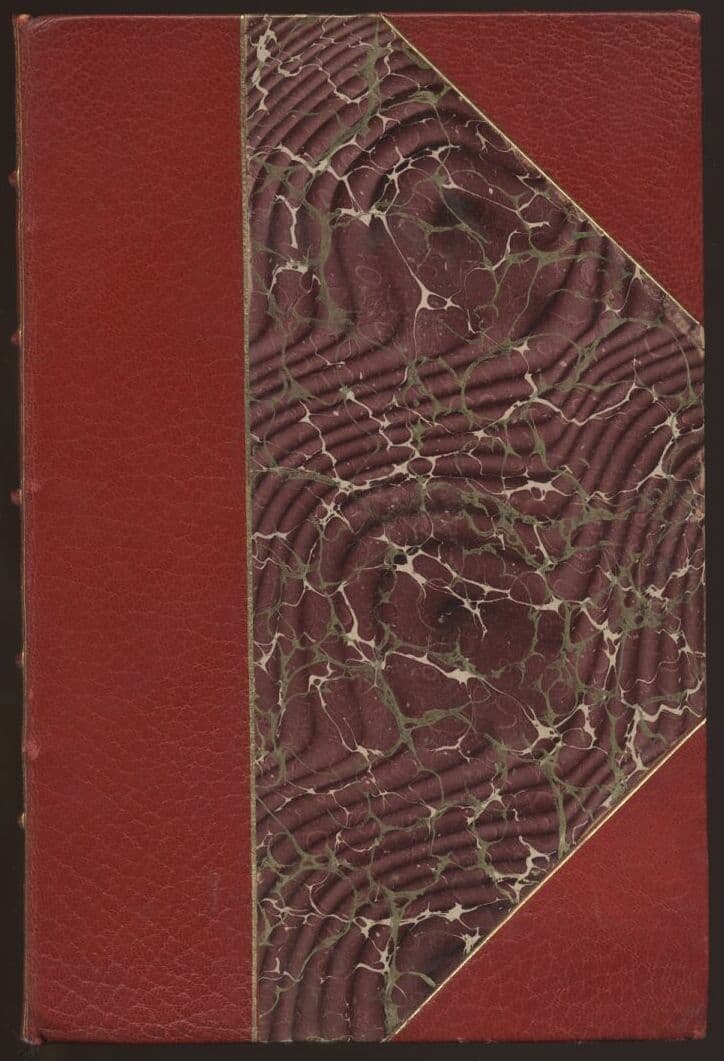
Celibates

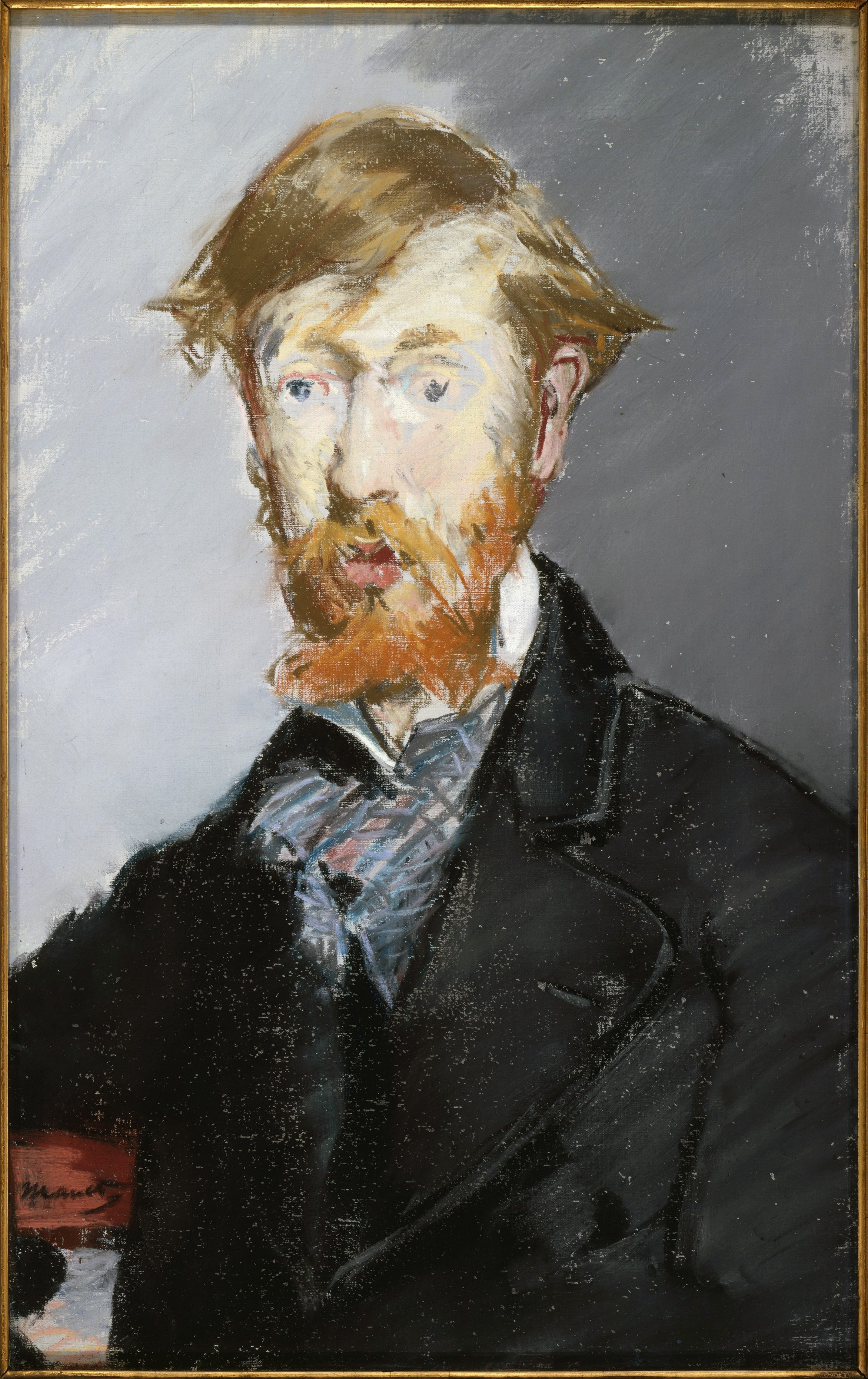
George Moore's radical 1895 novel presents three lives - Mildred Lawson, John Norton, and Agnes Lahens - each trapped in the prison of their own self-regard. These are not villains but something more unsettling: ordinary people incapable of genuine connection, convinced of their own specialness while remaining blind to the suffering around them. Moore watches them with cool precision: the small cruelties, the endless need for admiration, the elaborate mental architectures built to justify selfishness. What makes Celibates endure is not its scandal but its psychological daring - this is a book that understood, decades before the modern age diagnosed it, how self-love can become a form of spiritual death. Moore's spare, realist prose serves the clinical precision of his observation. For readers who prize literary ruthlessness, who want novels that hold up an unflinching mirror, this is an early masterpiece of modernist consciousness.
Editions

Link to this book
Add a free, dofollow link to Lex on your blog, forum, syllabus, or reading list.

<a href="https://lex-books.com/book/celibates-31c779b7-7837-4aff-9f9e-84cd31314940"><img src="https://lex-books.com/badges/read-on-lex.svg" alt="Read Celibates by George Moore free on Lex" width="160" height="40"></a>[](https://lex-books.com/book/celibates-31c779b7-7837-4aff-9f9e-84cd31314940)[url=https://lex-books.com/book/celibates-31c779b7-7837-4aff-9f9e-84cd31314940][img]https://lex-books.com/badges/read-on-lex.svg[/img][/url]Read Celibates by George Moore free on Lex: https://lex-books.com/book/celibates-31c779b7-7837-4aff-9f9e-84cd31314940Cite this book
Reading this edition for a paper or guide? Copy a citation.
Moore, George. Celibates. Lex, lex-books.com/book/celibates-31c779b7-7837-4aff-9f9e-84cd31314940.Moore, G. (n.d.). Celibates. Lex. https://lex-books.com/book/celibates-31c779b7-7837-4aff-9f9e-84cd31314940Moore, George. Celibates. Lex. https://lex-books.com/book/celibates-31c779b7-7837-4aff-9f9e-84cd31314940.