Capital and Interest
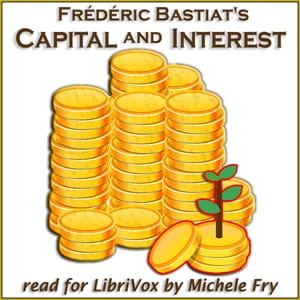
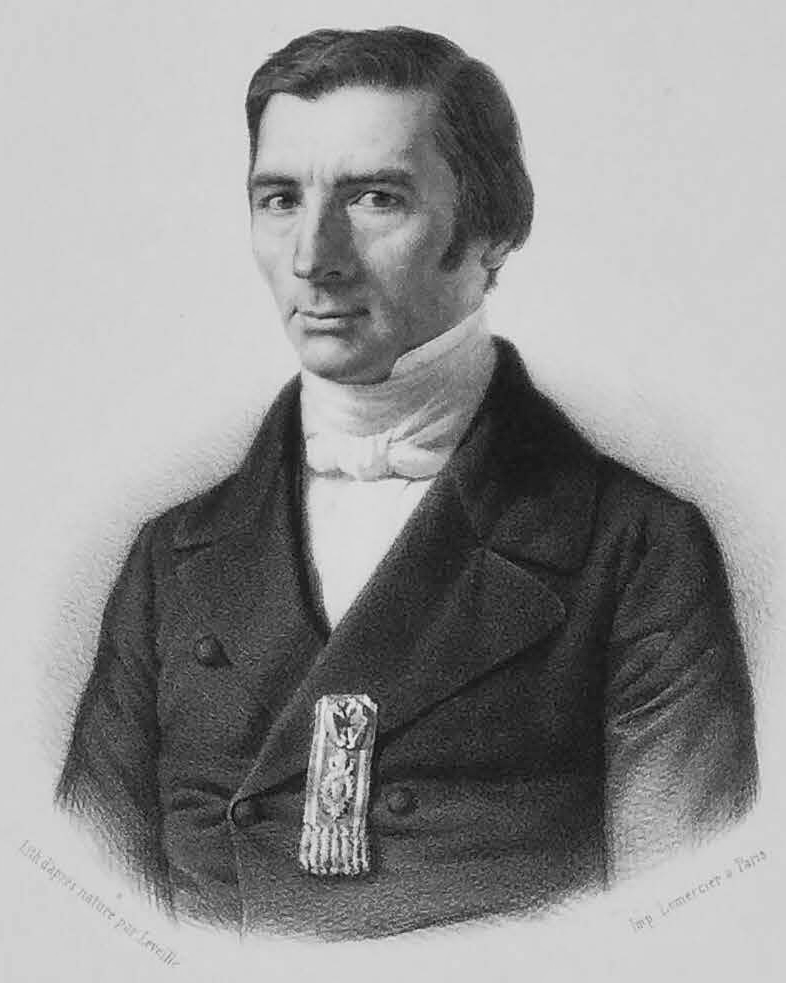
Frédéric Bastiat wrote this polemic in the turbulent wake of the French Revolution, when rival provisional governments fought for legitimacy while grappling with the most fundamental questions: who controls the money, how is wealth created, and how should it be distributed? The socialists of his era had a seductive answer, capital should be free, interest was usury, and the state should provide without constraint. Bastiat saw this as a beautiful idea that would, in practice, crush the very people it claimed to help. He demonstrates that capital doesn't materialize from thin air; it is forged through sacrifice, through the act of saving rather than consuming. This pool of deferred gratification is what makes lending possible. And lending, which carries real risk, deserves real compensation. Interest is not theft, it is the market's way of valuing time, risk, and the opportunity foregone. He shows that as capital accumulates, interest naturally falls, abundance benefits borrowers. Over 150 years later, the questions Bastiat wrestled with remain urgent. This is for anyone who wants to understand the foundations of economic liberty and why the debate over capital, interest, and the state refuses to die.
Editions

Link to this book
Add a free, dofollow link to Lex on your blog, forum, syllabus, or reading list.

<a href="https://lex-books.com/book/capital-and-interest-39327f55-b99d-4f1e-b4e5-818cf774fb80"><img src="https://lex-books.com/badges/read-on-lex.svg" alt="Read Capital and Interest by Frédéric Bastiat free on Lex" width="160" height="40"></a>[](https://lex-books.com/book/capital-and-interest-39327f55-b99d-4f1e-b4e5-818cf774fb80)[url=https://lex-books.com/book/capital-and-interest-39327f55-b99d-4f1e-b4e5-818cf774fb80][img]https://lex-books.com/badges/read-on-lex.svg[/img][/url]Read Capital and Interest by Frédéric Bastiat free on Lex: https://lex-books.com/book/capital-and-interest-39327f55-b99d-4f1e-b4e5-818cf774fb80Cite this book
Reading this edition for a paper or guide? Copy a citation.
Bastiat, Frédéric. Capital and Interest. Lex, lex-books.com/book/capital-and-interest-39327f55-b99d-4f1e-b4e5-818cf774fb80.Bastiat, F. (n.d.). Capital and Interest. Lex. https://lex-books.com/book/capital-and-interest-39327f55-b99d-4f1e-b4e5-818cf774fb80Bastiat, Frédéric. Capital and Interest. Lex. https://lex-books.com/book/capital-and-interest-39327f55-b99d-4f1e-b4e5-818cf774fb80.