Autobiography
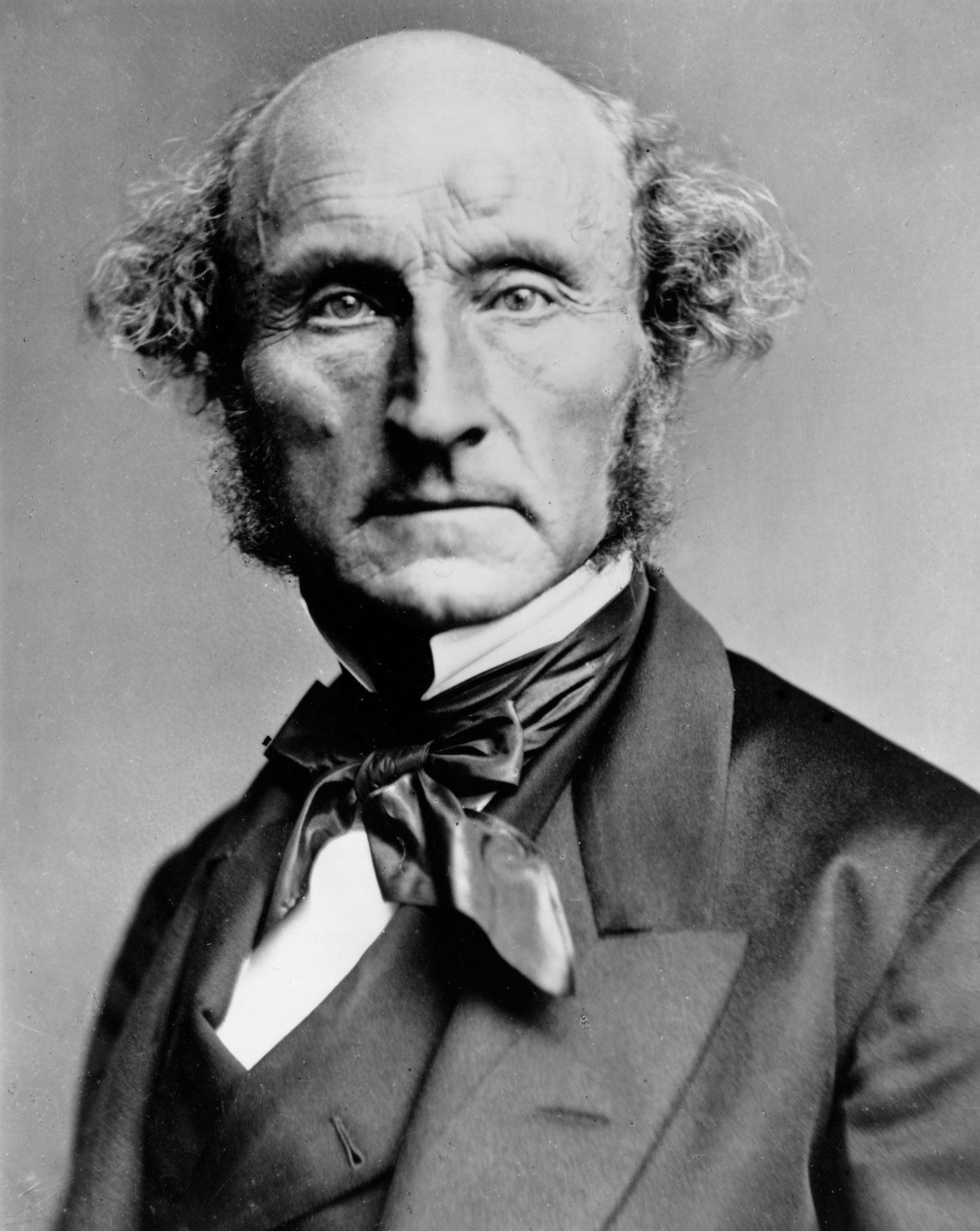
John Stuart Mill's Autobiography is not merely the record of a life but an archaeology of the modern mind. Born in 1806 to the philosopher James Mill, young John was subjected to an education so ferocious it defies belief: Greek by age three, Latin by five, economics and logic by his teenage years, all part of a deliberate project to produce the greatest intellect in England. What makes this autobiography extraordinary is not just the childhood Mill describes, but the psychological reckoning that follows. He details his mental breakdown at twenty, a collapse born of intellectual exhaustion and a devastating confrontation with his own emotional poverty, raised on logic but starved of feeling. The book traces his painstaking recovery and the forging of his mature philosophy, one that expanded utilitarianism from a cold calculus into something that could account for beauty, justice, and the interior life. This is the story of how a radical was made: through pressure, fracture, and painful self-reconstruction. Anyone curious about how revolutionary ideas are forged in the fires of a singular childhood will find this indispensable.
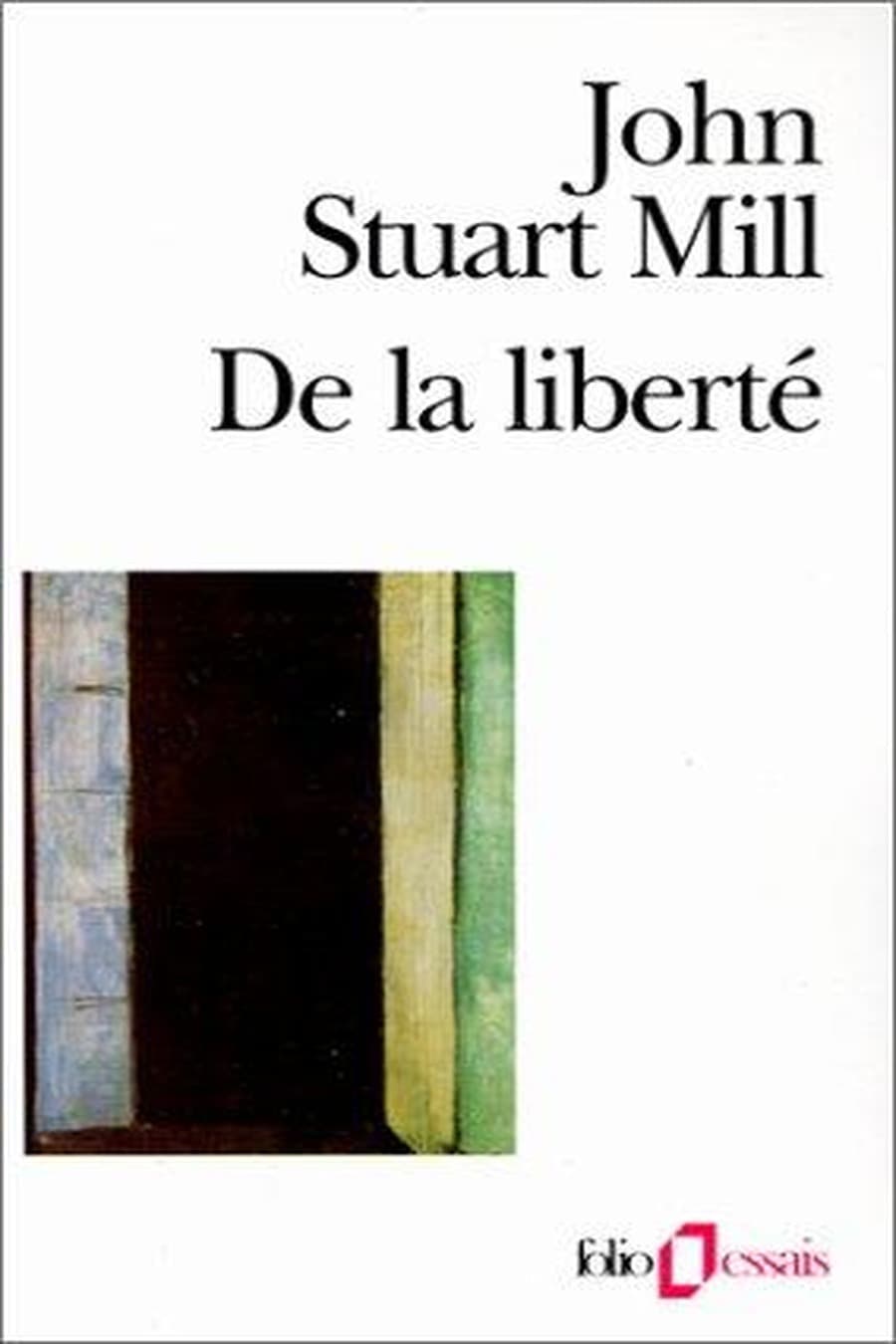
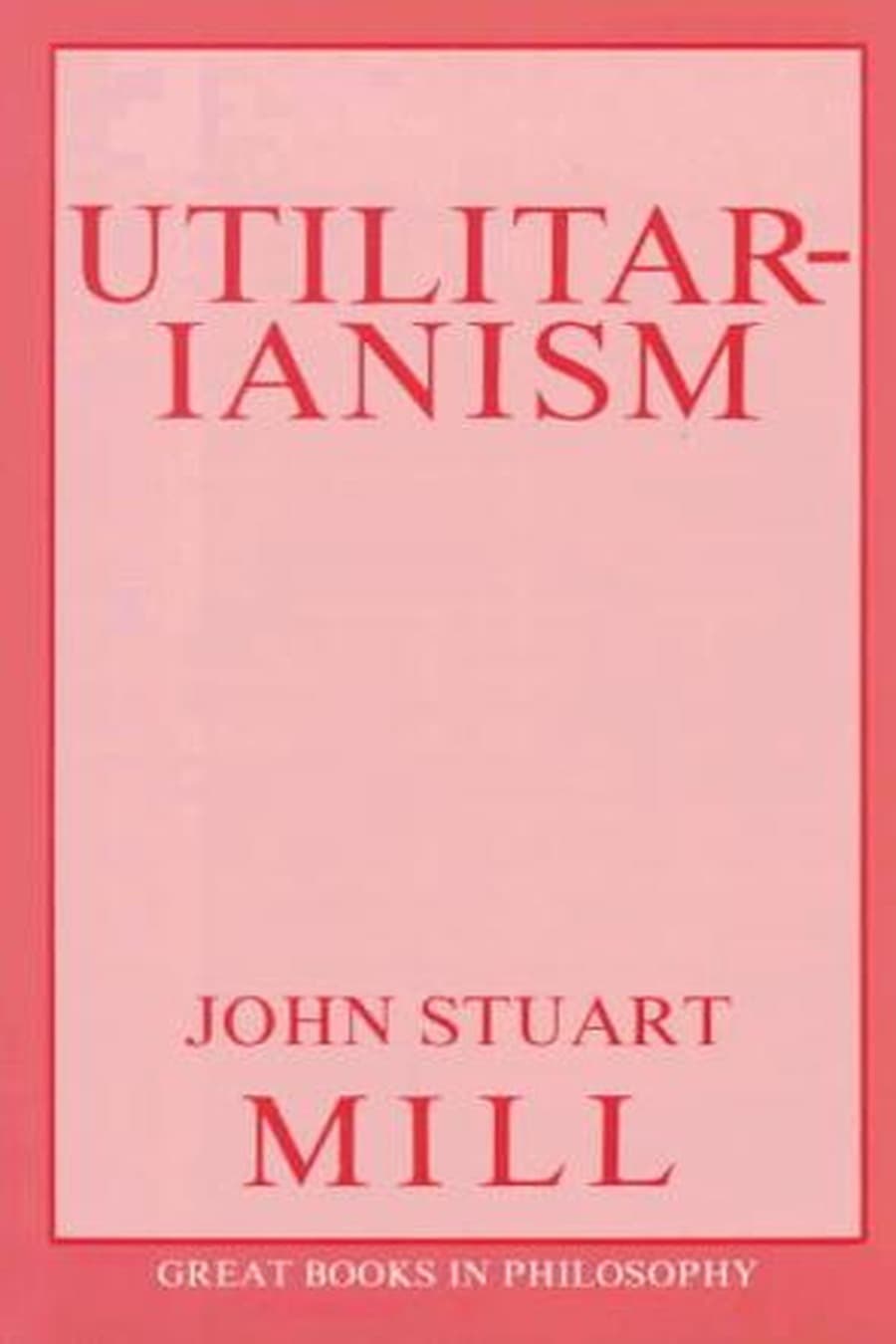
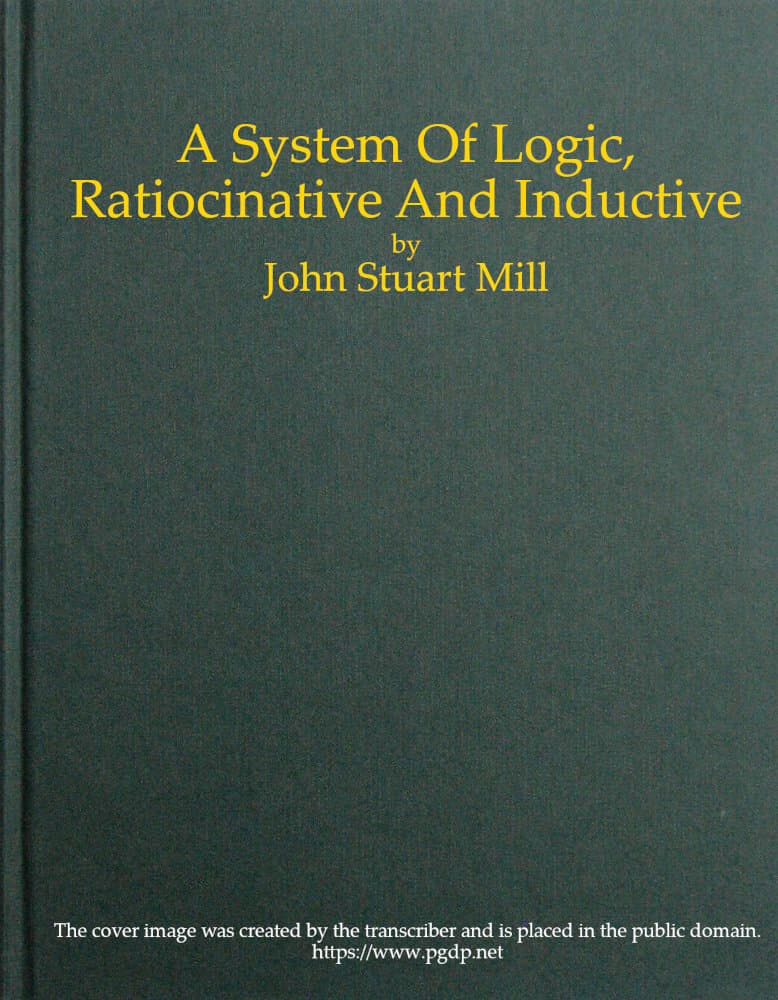
Editions
X-Ray
“Those only are happy (I thought) who have their minds fixed on some object other than their own happiness; on the happiness of others, on the improvement of mankind, even on some art or pursuit, followed not as a means, but as itself an ideal end. Aiming thus at something else, they find happiness by the way. The enjoyments of life (such was now my theory) are sufficient to make it a pleasant thing, when they are taken , without being made a principal object. Once make them so, and they are immediately felt to be insufficient. They will not bear a scrutinizing examination. Ask yourself whether you are happy, and you cease to be so. The only chance is to treat, not happiness, but some end external to it, as the purpose of life. Let your self-consciousness, your scrutiny, your self-interrogation, exhaust themselves on that; and if otherwise fortunately circumstanced you will inhale happiness with the air you breathe, without dwelling on it or thinking about it, without either forestalling it in imagination, or putting it to flight by fatal questioning.””
— John Stuart Mill
“Experience has taught me that those who give their time to the absorbing claims of what is called society, not having leisure to keep up a large acquaintance with the organs of opinion, remain much more ignorant of the general state either of the public mind, or of the active and instructed part of it, than a recluse who reads the newspapers need be. ””
— John Stuart Mill
“I have a hundred times heard him say, that all ages and nations have represented their gods as wicked, in a constantly increasing progression; that mankind have gone on adding trait after trait till they reached the most perfect conception of wickedness which the human mind could devise, and have called this God, and prostrated themselves before it.””
— John Stuart Mill
“But I now thought that this end [one's happiness] was only to be attained by not making it the direct end. Those only are happy (I thought) who have their minds fixed on some object other than their own happiness[....] Aiming thus at something else, they find happiness along the way[....] Ask yourself whether you are happy, and you cease to be so.””
— John Stuart Mill
“Books destined to form future thinkers take too much time to write, and when written come, in general, too slowly into notice and repute, to be relied on for subsistence.””
— John Stuart Mill
“I had what might truly be called an object in life: to be a reformer of the world … This did very well for several years, during which the general improvement going on in the world and the idea of myself as engaged with others in struggling to promote it, seemed enough to fill up an interesting and animated existence. But the time came when I awakened from this as from a dream … In this frame of mind it occurred to me to put the question directly to myself: ‘Suppose that all your objects in life were realised; that all the changes in institutions and opinions that you are looking forward to, could be completely effected at this very instant; would this be a great joy and happiness to you?’ And an irrepressible self-consciousness distinctly answered: ‘No!’ At this my heart sank within me; the whole foundation on which my life was constructed fell down. All my happiness was to have been found in the continual pursuit of this end. The end had ceased to charm, and how could there ever again be any interest in the means? I seemed to have nothing left to live for.””
— John Stuart Mill
“My father’s moral inculcations were at all times mainly those of the Socratici viri; justice, temperance (to which he gave a very extended application), veracity, perseverance, readiness to encounter pain and especially labour, regard for the public good; estimation of persons according to their merits, and of things according to their intrinsic usefulness; a life of exertion, in contradiction to one of self-indulgent sloth. These and other moralities he conveyed in brief sentences, uttered as occasion arose, of grave exhortation, or stern reprobation and contempt.””
— John Stuart Mill
“I have felt ever since that the title of Platonist belongs by far better right to those who have been nourished in and have endeavoured to practise Plato's mode of investigation, than to those who are distinguished only by the adoption of certain dogmatical conclusions, drawn mostly from the least intelligible of his works, and which the character of his mind and writings makes it uncertain whether he himself regarded as anything more than poetic fancies, or philosophic conjectures.””
— John Stuart Mill
“The boasted influence of mathematical studies is nothing to it; for in mathematical processes, none of the real difficulties of correct ratiocination occur. It is also a study peculiarly adapted to an early stage in the education of philosophical students, since it does not presuppose the slow process of acquiring, by experience and reflection, valuable thoughts of their own. They may become capable of disentangling the intricacies of confused and self-contradictory thought, before their own thinking faculties are much advanced; a power which, for want of some such discipline, many otherwise able men altogether lack; and when they have to answer opponents, only endeavour, by such arguments as they can command, to support the opposite conclusion, scarcely even attempting to confute the reasonings of their antagonists; and, therefore, at the utmost, leaving the question, as far as it depends on argument, a balanced one.””
— John Stuart Mill
Link to this book
Add a free, dofollow link to Lex on your blog, forum, syllabus, or reading list.

<a href="https://lex-books.com/book/autobiography-e0f0c81b-daf6-464b-b932-7c61db3a1392"><img src="https://lex-books.com/badges/read-on-lex.svg" alt="Read Autobiography by John Stuart Mill free on Lex" width="160" height="40"></a>[](https://lex-books.com/book/autobiography-e0f0c81b-daf6-464b-b932-7c61db3a1392)[url=https://lex-books.com/book/autobiography-e0f0c81b-daf6-464b-b932-7c61db3a1392][img]https://lex-books.com/badges/read-on-lex.svg[/img][/url]Read Autobiography by John Stuart Mill free on Lex: https://lex-books.com/book/autobiography-e0f0c81b-daf6-464b-b932-7c61db3a1392Cite this book
Reading this edition for a paper or guide? Copy a citation.
Mill, John Stuart. Autobiography. Lex, lex-books.com/book/autobiography-e0f0c81b-daf6-464b-b932-7c61db3a1392.Mill, J. S. (n.d.). Autobiography. Lex. https://lex-books.com/book/autobiography-e0f0c81b-daf6-464b-b932-7c61db3a1392Mill, John Stuart. Autobiography. Lex. https://lex-books.com/book/autobiography-e0f0c81b-daf6-464b-b932-7c61db3a1392.