Anthem
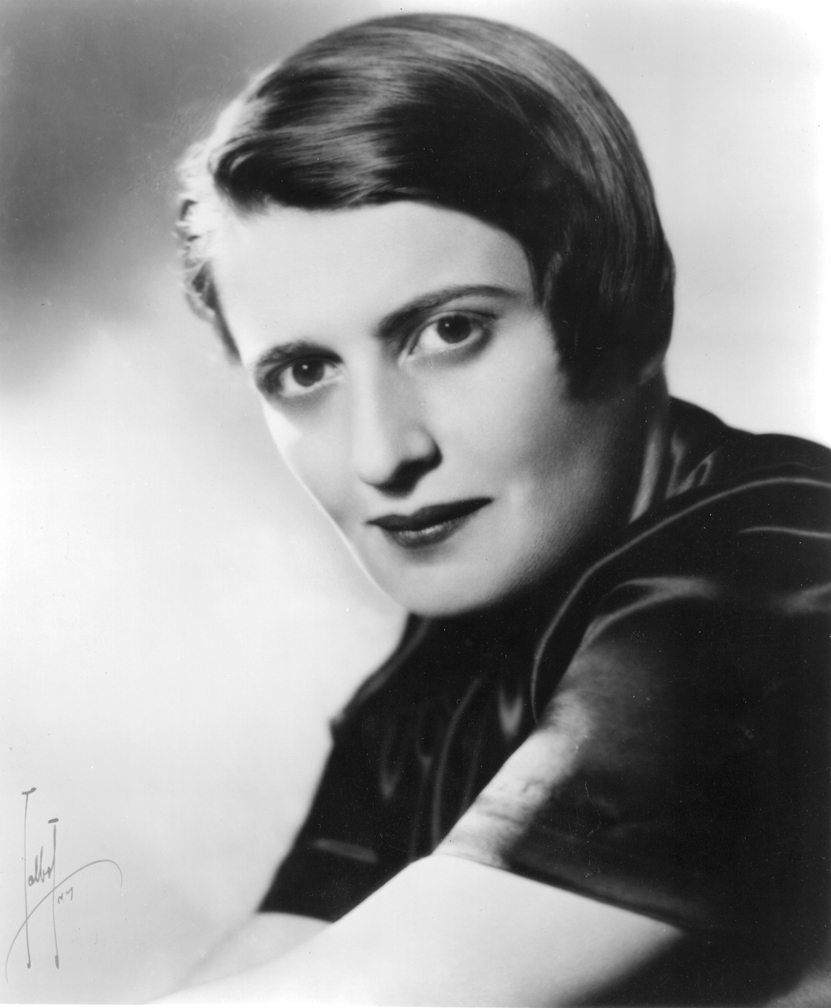
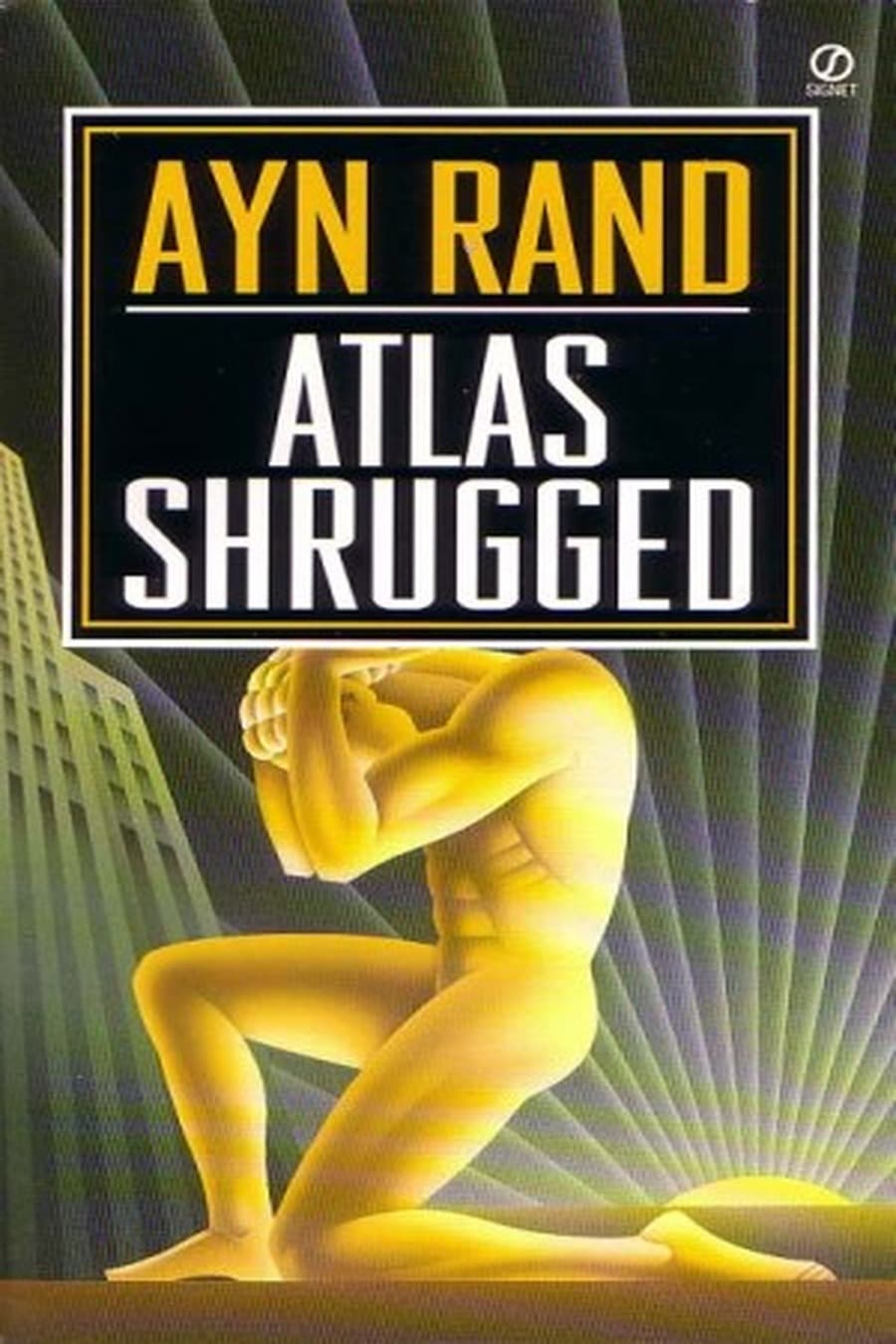
In a future so distant it has forgotten the word 'I,' humanity lives in perfect equality, all thoughts shared, all choices made collectively, all names abandoned for numbers. Equality 7-2521 is a anomaly: taller, smarter, and plagued by questions his brothers cannot ask. When he discovers a tunnel from the Unmentionable Times, a remnant of the world before the Great Rebirth, he finds something more dangerous than stolen technology. He finds himself. Rand's 1938 novella is a compact, ferocious defense of individualism, written in deliberate opposition to the collectivist horrors rising across Europe in her time. The novel pulses with rebellion: not just against a totalitarian state, but against the human impulse to surrender the self to the crowd. Equality's secret love for a woman, his stolen scientific experiments, his defiant journal, all crystallize into one audacious act: claiming the forbidden word that could destroy everything the state has built. For readers who loved The Giver, 1984, or Atlas Shrugged, this is Rand at her most stripped-down and essential, a primer on the philosophy that would define her legacy.
Editions

X-Ray
“My happiness is not the means to any end. It is the end. It is its own goal. It is its own purpose.””
— Ayn Rand
“The word "We" is as lime poured over men, which sets and hardens to stone, and crushes all beneath it, and that which is white and that which is black are lost equally in the grey of it. It is the word by which the depraved steal the virtue of the good, by which the weak steal the might of the strong, by which the fools steal the wisdom of the sages. What is my joy if all hands, even the unclean, can reach into it? What is my wisdom, if even the fools can dictate to me? What is my freedom, if all creatures, even the botched and impotent, are my masters? What is my life, if I am but to bow, to agree and to obey? But I am done with this creed of corruption. I am done with the monster of "We," the word of serfdom, of plunder, of misery, falsehood and shame. And now I see the face of god, and I raise this god over the earth, this god whom men have sought since men came into being, this god who will grant them joy and peace and pride. This god, this one word: "I.””
— Ayn Rand
“I stand here on the summit of the mountain. I lift my head and I spread my arms. This, my body and spirit, this is the end of the quest. I wished to know the meaning of all things. I am the meaning. I wished to find a warrant for being. I need no warrant for being, and no word of sanction upon my being. I am the warrant and the sanction. Neither am I the means to any end others may wish to accomplish. I am not a tool for their use. I am not a servant of their needs. I am not a sacrifice on their alters.””
— Ayn Rand
“I am. I think. I will.””
— Ayn Rand
“At first, man was enslaved by the gods. But he broke their chains. Then he was enslaved by the kings. But he broke their chains. He was enslaved by his birth, by his kin, by his race. But he broke their chains. He declared to all his brothers that a man has rights which neither god nor king nor other men can take away from him, no matter what their number, for his is the right of man, and there is no right on earth above this right. And he stood on the threshold of freedom for which the blood of the centuries behind him had been spilled.””
— Ayn Rand
“I know not if this earth on which I stand is the core of the universe or if it is but a speck of dust lost in eternity. I know not and I care not. For I know what happiness is possible to me on earth. And my happiness needs no higher aim to vindicate it. My happiness is not the means to any end. It is the end. It is its own goal. It is its own purpose.””
— Ayn Rand
“The secrets of this earth are not for all men to see, but only for those who will seek them (pg. 52).””
— Ayn Rand
“Know what you want in life and go after it. I worship individuals for their highest possibilities as individuals, and I loathe humanity, for its failure to live up to these possibilities.””
— Ayn Rand
“I am neither foe nor friend to my brothers, but such as each of them shall deserve of me. And to earn my love, my brothers must do more than to have been born. I do not grant my love without reason, nor to any chance passer-by who may wish to claim it. I honor men with my love. But honor is a thing to be earned.””
— Ayn Rand
Link to this book
Add a free, dofollow link to Lex on your blog, forum, syllabus, or reading list.

<a href="https://lex-books.com/book/anthem-213b527a-5c45-46ae-8ca8-c4b9231b0a50"><img src="https://lex-books.com/badges/read-on-lex.svg" alt="Read Anthem by Ayn Rand free on Lex" width="160" height="40"></a>[](https://lex-books.com/book/anthem-213b527a-5c45-46ae-8ca8-c4b9231b0a50)[url=https://lex-books.com/book/anthem-213b527a-5c45-46ae-8ca8-c4b9231b0a50][img]https://lex-books.com/badges/read-on-lex.svg[/img][/url]Read Anthem by Ayn Rand free on Lex: https://lex-books.com/book/anthem-213b527a-5c45-46ae-8ca8-c4b9231b0a50Cite this book
Reading this edition for a paper or guide? Copy a citation.
Rand, Ayn. Anthem. Lex, lex-books.com/book/anthem-213b527a-5c45-46ae-8ca8-c4b9231b0a50.Rand, A. (n.d.). Anthem. Lex. https://lex-books.com/book/anthem-213b527a-5c45-46ae-8ca8-c4b9231b0a50Rand, Ayn. Anthem. Lex. https://lex-books.com/book/anthem-213b527a-5c45-46ae-8ca8-c4b9231b0a50.