What would you like to read?Search books, authors, genres, shelves, users...
Search books, authors, genres, shelves, users...Search books, authors, genres, shelves, users...

What would you like to read?Search books, authors, genres, shelves, users...
Search books, authors, genres, shelves, users...Search books, authors, genres, shelves, users...
1877
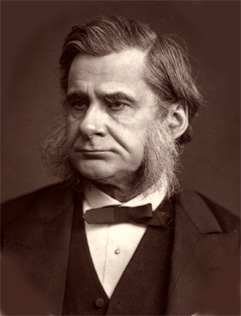
Thomas Henry Huxley
1877
A collection of scientific lectures and addresses written in the late 19th century. The work covers topics related to evolution, nature, biology, and the historical understanding of living organisms, reflecting Huxley’s influential perspectives on science and its methodologies. It aims to provide a clear understanding of evolutionary hypotheses and the evidence supporting them, making complex scientific ideas accessible to a broader audience. The opening of the book begins with a thought-provoking exploration of the relationship between humanity and nature. Huxley posits that man, despite being a mere point in the vastness of the universe, possesses the unique capacity for thought, allowing for the conceptualization of the natural order. He introduces three hypotheses about the history of nature: the eternity of present conditions, the idea of sudden creation, and the concept of evolution. Huxley emphasizes the significance of forming clear definitions of these hypotheses and the necessity for rigorous evidence to support any claims about the past, setting the tone for a critical examination of evolutionary theory throughout the subsequent lectures.