Against Apion
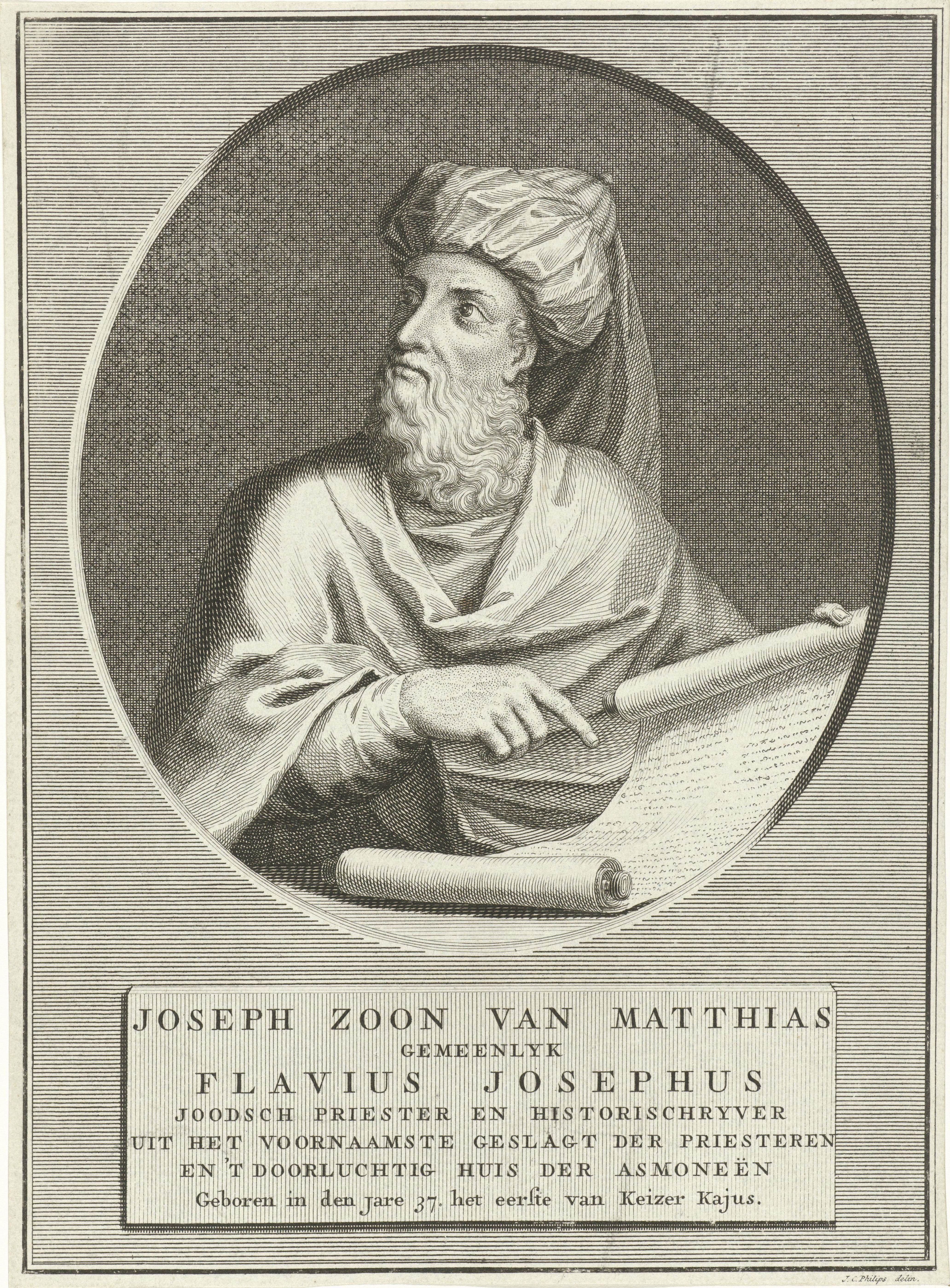
In this passionate defense of Judaism written in the first century, the Jewish historian Flavius Josephus mounts a fierce rebuttal against Greek and Egyptian detractors who had slandered his people. The work emerged as a direct response to attacks by the Hellenized Egyptian grammarian Apion and others who dismissed Jewish history as recent and Jewish customs as barbaric. Josephus, who had defected to Rome after the Jewish revolt but never abandoned his cultural identity, marshals evidence from Greek historians, Phoenician records, and Babylonian archives to demonstrate the extraordinary antiquity of the Jewish nation. He systematically dismantles each accusation, from claims about Jewish origins to slurs about their laws and customs, while turning the critique back on the Greeks themselves for their own mythological confusions. The result is not merely a polemic but a sophisticated argument about truth, evidence, and what constitutes a civilized people. Against Apion remains essential reading for understanding how one of antiquity's most persecuted peoples defended their dignity, and it provides invaluable testimony about Jewish history during a period for which few sources survive.
Editions
X-Ray
“But when he saw that Adam had no female companion, no society, for there was no such created, and that he wondered at the other animals which were male and female, he laid him asleep, and took away one of his ribs, and out of it formed the woman; whereupon Adam knew her when she was brought to him, and acknowledged that she was made out of himself. Now a woman is called in the Hebrew tongue Issa; but the name of this woman was Eve, which signifies the mother of all living.””
— Flavius Josephus
“Now some of the Jews thought that the destruction of Herod's army came from God, and that very justly, as a punishment of what he did against John, that was called the Baptist: for Herod slew him, who was a good man, and commanded the Jews to exercise virtue, both as to righteousness towards one another, and piety towards God, and so to come to baptism; for that the washing [with water] would be acceptable to him, if they made use of it, not in order to the putting away [or the remission] of some sins [only], but for the purification of the body; supposing still that the soul was thoroughly purified beforehand by righteousness. Now when [many] others came in crowds about him, for they were very greatly moved [or pleased] by hearing his words, Herod, who feared lest the great influence John had over the people might put it into his power and inclination to raise a rebellion, [for they seemed ready to do any thing he should advise,] thought it best, by putting him to death, to prevent any mischief he might cause, and not bring himself into difficulties, by sparing a man who might make him repent of it when it would be too late. Accordingly he was sent a prisoner, out of Herod's suspicious temper, to Macherus, the castle I before mentioned, and was there put to death. Now the Jews had an opinion that the destruction of this army was sent as a punishment upon Herod, and a mark of God's displeasure to him.””
— Flavius Josephus
“The Key to the answers to all the questions of Life - all the blessings and curses of the World - lie not in men's hearts, but in their bones. as quoted in 'The Bone Key Curse'(2008)””
— Flavius Josephus
“He drew over to him both many of the Jews and many of the Gentiles. He was [the] Christ. And when Pilate, at the suggestion of the principal men amongst us, had condemned him to the cross, 9 those that loved him at the first did not forsake him; for he appeared to them alive again the third day; 10 as the divine prophets had foretold these and ten thousand other wonderful things concerning him. And the tribe of Christians, so named from him, are not extinct at this day.””
— Flavius Josephus
“for he appeared to them alive again the third day; (10) as the divine prophets had foretold these and ten thousand other wonderful things concerning him. And the tribe of Christians, so named from him, are not extinct at this day.””
— Flavius Josephus
“Now there was about this time Jesus, a wise man, if it be lawful to call him a man;””
— Flavius Josephus
“He also said he would be revenged on God, if he should have a mind to drown the world again; for that he would build a tower too high for the waters to be able to reach! and that he would avenge himself on God for destroying their forefathers!””
— Flavius Josephus
“for that wars are then managed the best when the warriors preserve a good conscience;””
— Flavius Josephus
“I once, indeed, thought it best not to set down the names of this family, especially because of their difficult pronunciation, [by the Greeks;] but, upon the whole, I think it necessary to mention those names, that I may disprove such as believe that we came not originally from Mesopotamia, but are Egyptians. Now””
— Flavius Josephus
About Against Apion
Chapter Summaries
- Book 1, Sections 1-11
- Josephus explains his purpose in writing and criticizes Greek historians for their unreliability and contradictions. He argues that non-Greek nations have better preserved ancient records than the Greeks themselves.
- Book 1, Sections 12-13
- Josephus explains why Jews were not mentioned by early Greek writers - their inland location and distinct customs meant little contact with maritime trading peoples who became known to the Greeks.
- Book 1, Sections 14-16
- Josephus cites Egyptian historian Manetho's account of the Hyksos (Shepherd Kings) and argues these were the ancestors of the Jews, providing evidence for Jewish antiquity and their departure from Egypt.
Key Themes
- Historical Truth vs. Fabrication
- Josephus contrasts careful historical methodology with the lies and contradictions of hostile writers. He emphasizes the importance of reliable sources and consistent testimony in establishing historical facts.
- Cultural Superiority and Defense
- The work defends Jewish cultural and religious practices as superior to pagan customs, while refuting claims that Jews are inferior or antisocial. Josephus argues for the excellence of Jewish law and morality.
- Religious Monotheism vs. Paganism
- Josephus presents Jewish monotheism as philosophically superior to pagan polytheism, criticizing the immoral and contradictory nature of Greek and Egyptian religious beliefs.
Characters
- Flavius Josephus(protagonist)
- Jewish historian and author defending his people against false accusations. Former general in the Jewish revolt who later served the Romans and wrote historical works.
- Epaphroditus(minor)
- Josephus's patron to whom the work is dedicated. A learned Roman official who supported Josephus's literary endeavors.
- Apion(antagonist)
- Alexandrian grammarian and fierce critic of the Jews. Born in Egypt but claimed Alexandrian citizenship, wrote extensively against Jewish customs and history.
- Manetho(major)
- Egyptian priest and historian who wrote about Jewish origins in Egypt. His accounts are both used by Josephus as evidence and criticized for later fabrications.
- Moses(major)
- Jewish lawgiver and leader whom Josephus defends against accusations of being an impostor. Central figure in Jewish history and law.
- Cheremon(minor)
- Egyptian historian who wrote false accounts about Jewish origins, similar to Manetho but with different details.
Link to this book
Add a free, dofollow link to Lex on your blog, forum, syllabus, or reading list.

<a href="https://lex-books.com/book/against-apion-c53fd93b-ada5-4fe6-80e7-c11f42933efe"><img src="https://lex-books.com/badges/read-on-lex.svg" alt="Read Against Apion by Flavius Josephus free on Lex" width="160" height="40"></a>[](https://lex-books.com/book/against-apion-c53fd93b-ada5-4fe6-80e7-c11f42933efe)[url=https://lex-books.com/book/against-apion-c53fd93b-ada5-4fe6-80e7-c11f42933efe][img]https://lex-books.com/badges/read-on-lex.svg[/img][/url]Read Against Apion by Flavius Josephus free on Lex: https://lex-books.com/book/against-apion-c53fd93b-ada5-4fe6-80e7-c11f42933efeCite this book
Reading this edition for a paper or guide? Copy a citation.
Josephus, Flavius. Against Apion. Lex, lex-books.com/book/against-apion-c53fd93b-ada5-4fe6-80e7-c11f42933efe.Josephus, F. (n.d.). Against Apion. Lex. https://lex-books.com/book/against-apion-c53fd93b-ada5-4fe6-80e7-c11f42933efeJosephus, Flavius. Against Apion. Lex. https://lex-books.com/book/against-apion-c53fd93b-ada5-4fe6-80e7-c11f42933efe.