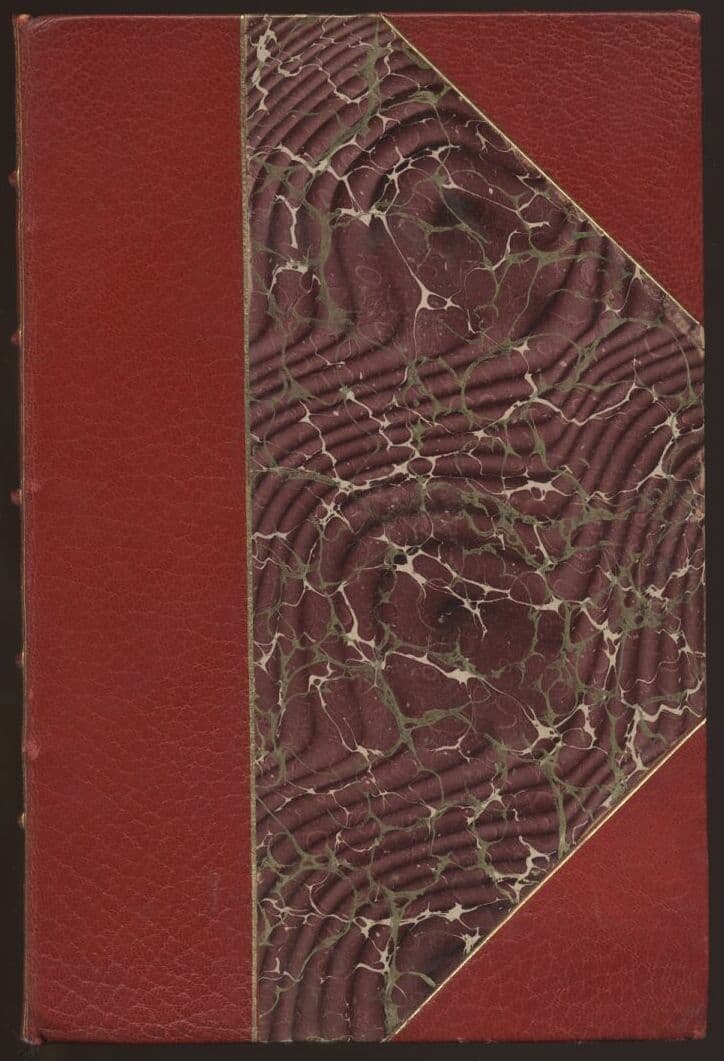
Afterwards, and Other Stories
1898
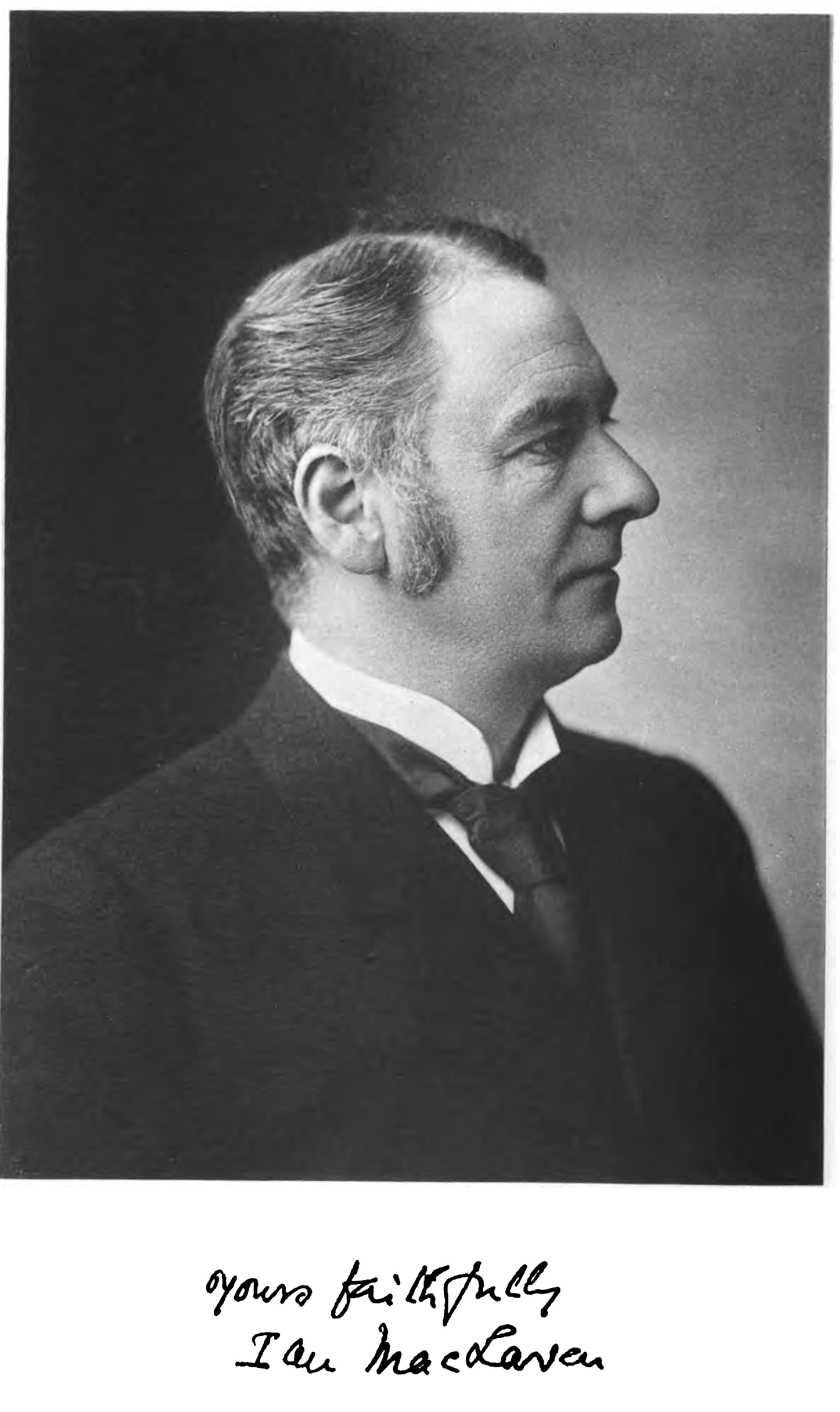
A barrister named Edward Trevor sits in Mediterranean sunshine, savoring the luxury his career has earned him, while his wife Maud remains in London with their young son, her health failing quietly, her sacrifices invisible. A telegram arrives. The Riviera shatters. In the train home through thickening fog, Trevor confronts what he failed to see: the depth of ordinary love, the weight of small devotions that go unthanked until it's nearly too late. This is the first of twelve stories by Ian Maclaren, each one a small chamber of quiet revelation. The collection moves through Victorian England with an observer's eye for the telling gesture, the unspoken grief, the dignity of those who serve and endure without complaint. These are tales of wives and workers, of men who learn too late what their households contain. Maclaren writes with sentimental directness, his tear-jerking mechanism is deliberate, but beneath the emotion lies genuine insight into how blindness and love coexist, and how often we return to find what we cherish already diminished.
Editions
Link to this book
Add a free, dofollow link to Lex on your blog, forum, syllabus, or reading list.

<a href="https://lex-books.com/book/afterwards-and-other-stories-5f0de2d3-c3f3-4f21-b81c-d8de0e72c7f9"><img src="https://lex-books.com/badges/read-on-lex.svg" alt="Read Afterwards, and Other Stories by Ian Maclaren free on Lex" width="160" height="40"></a>[](https://lex-books.com/book/afterwards-and-other-stories-5f0de2d3-c3f3-4f21-b81c-d8de0e72c7f9)[url=https://lex-books.com/book/afterwards-and-other-stories-5f0de2d3-c3f3-4f21-b81c-d8de0e72c7f9][img]https://lex-books.com/badges/read-on-lex.svg[/img][/url]Read Afterwards, and Other Stories by Ian Maclaren free on Lex: https://lex-books.com/book/afterwards-and-other-stories-5f0de2d3-c3f3-4f21-b81c-d8de0e72c7f9Cite this book
Reading this edition for a paper or guide? Copy a citation.
Maclaren, Ian. Afterwards, and Other Stories. Lex, lex-books.com/book/afterwards-and-other-stories-5f0de2d3-c3f3-4f21-b81c-d8de0e72c7f9.Maclaren, I. (1898). Afterwards, and Other Stories. Lex. https://lex-books.com/book/afterwards-and-other-stories-5f0de2d3-c3f3-4f21-b81c-d8de0e72c7f9Maclaren, Ian. Afterwards, and Other Stories. Lex. https://lex-books.com/book/afterwards-and-other-stories-5f0de2d3-c3f3-4f21-b81c-d8de0e72c7f9.