Above the Battle
1916
Above the Battle
1916
Translated by C. K. (Charles Kay) Ogden
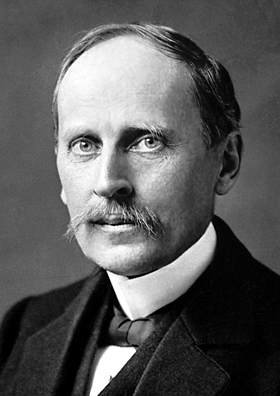
In September 1914, as Europe plunged into mutual slaughter, a French intellectual made a choice that would cost him his homeland's affection: he refused to hate. Written from neutral Switzerland where Rolland had retreated to preserve his conscience, these essays pulse with the urgent conviction of a man watching his continent burn. The opening image sears itself in: Europe as a forest consuming itself, young men from Paris to Berlin urged forward by the same passionate lies. Rolland dissects the machinery of national madness with unflinching clarity, mourning how brothers across borders are turned into enemies, how the sacred word of patriotism becomes a warrant for atrocity. He names what few dare speak in wartime: that the real betrayal lies not in questioning the war, but in surrendering one's humanity to it. The essays bristle with moral passion, yet never devolve into simple polemic. Rolland understands the seduction of nationalism, the genuine sacrifices it demands, which makes his call for international brotherhood all the more compelling. This is not pacifism as comfortable abstraction, but as lived anguish the cost of maintaining moral clarity when every institution demands compliance. The book that won Rolland the Nobel Prize in 1915 remains essential reading for anyone who believes thought can challenge the herd's appetite for war.
Editions
X-Ray
“Discussion is impossible with someone who claims not to seek the truth, but already to possess it.””
— Romain Rolland
“Europe is like a besieged town. Fever is raging. Whoever will not rave like the rest is suspected. And in these hurried times when justice cannot wait to study evidence, every suspect is a traitor.””
— Romain Rolland
“Above all race questions, which are for the most part a mask behind which pride crouches and the interests of the financial or aristocratic classes dissemble, there is a law of humanity, eternal and universal, of which we are all the servants and guardians; it is that of the right of a people to rule themselves. And he who violates shall be the enemy of all.””
— Romain Rolland
“The true man of culture is not he who makes of himself and his ideal the center of the universe, but who looking around him sees, as in the sky the stream of the Milky Way, thousands of little flames which flow with his own; and who seeks neither to absorb them nor to impose upon them his own course, but to give himself the religious persuasion of their value and of the common source of the fire by which all alike are fed.””
— Romain Rolland
“it must be admitted that on neither side have they brought honor to the cause of reason, which they have not been able to protect against the winds of violence and folly.””
— Romain Rolland
“Give an intellectual any ideal and any evil passion and he will always succeed in harmonizing the twain.””
— Romain Rolland
“Man cultivates the vices which are profitable to him, but feels the necessity of legitimizing them; being unwilling to sacrifice them, he must idealize them.””
— Romain Rolland
“We cannot stop the war, but we can make it less bitter. There are medicines for the body. We need medicines for the soul, to dress the wounds of hatred and vengeance by which the world is being poisoned.””
— Romain Rolland
“Of what use are such as cannot serve! Yet these are the most innocent victims of this war. They have not taken part in it, and nothing had prepared them for such calamities.””
— Romain Rolland
Link to this book
Add a free, dofollow link to Lex on your blog, forum, syllabus, or reading list.

<a href="https://lex-books.com/book/above-the-battle-1b9a51b4-356c-4e44-ba11-93088a729cc5"><img src="https://lex-books.com/badges/read-on-lex.svg" alt="Read Above the Battle by Romain Rolland free on Lex" width="160" height="40"></a>[](https://lex-books.com/book/above-the-battle-1b9a51b4-356c-4e44-ba11-93088a729cc5)[url=https://lex-books.com/book/above-the-battle-1b9a51b4-356c-4e44-ba11-93088a729cc5][img]https://lex-books.com/badges/read-on-lex.svg[/img][/url]Read Above the Battle by Romain Rolland free on Lex: https://lex-books.com/book/above-the-battle-1b9a51b4-356c-4e44-ba11-93088a729cc5Cite this book
Reading this edition for a paper or guide? Copy a citation.
Rolland, Romain. Above the Battle. Lex, lex-books.com/book/above-the-battle-1b9a51b4-356c-4e44-ba11-93088a729cc5.Rolland, R. (1916). Above the Battle. Lex. https://lex-books.com/book/above-the-battle-1b9a51b4-356c-4e44-ba11-93088a729cc5Rolland, Romain. Above the Battle. Lex. https://lex-books.com/book/above-the-battle-1b9a51b4-356c-4e44-ba11-93088a729cc5.