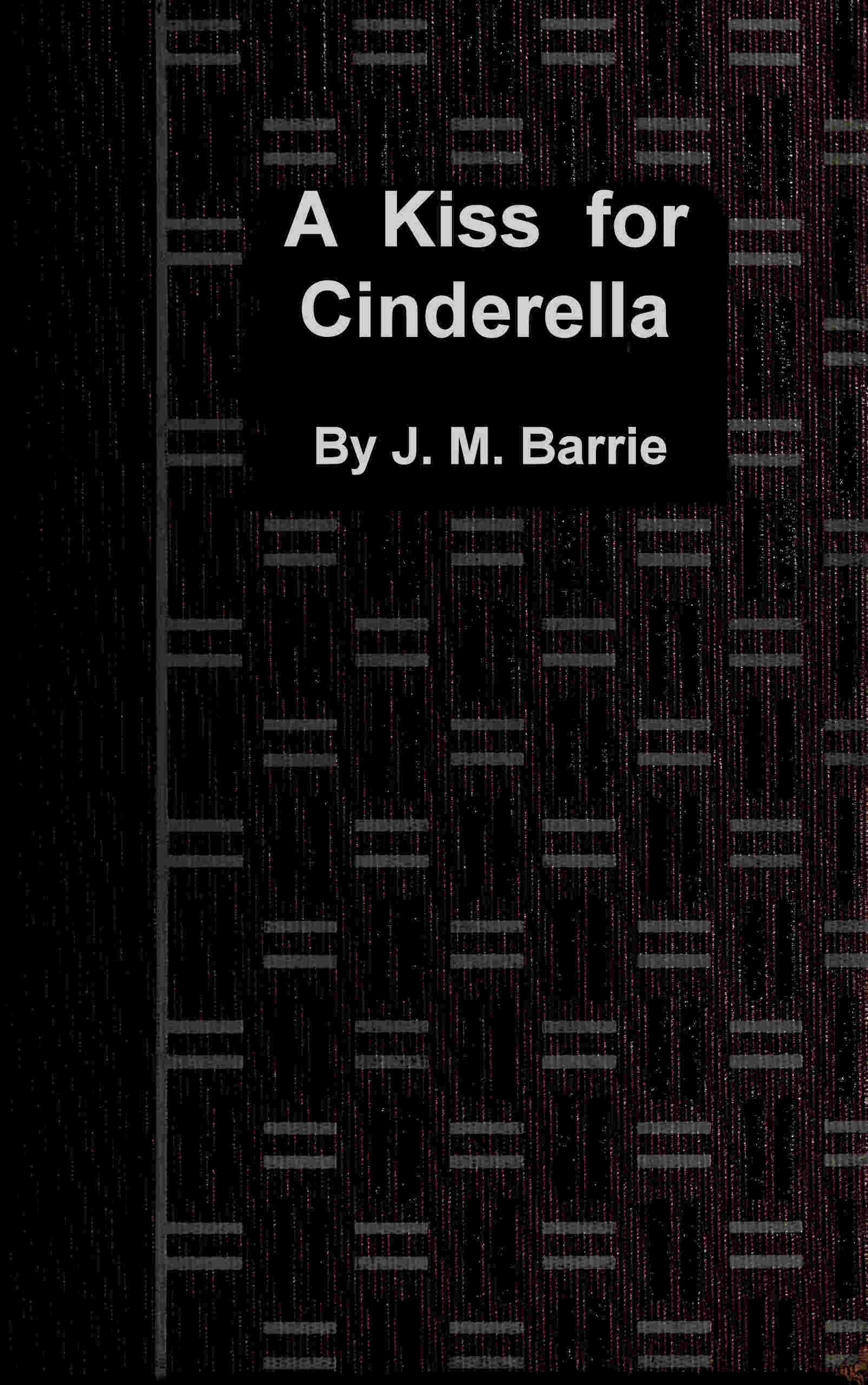
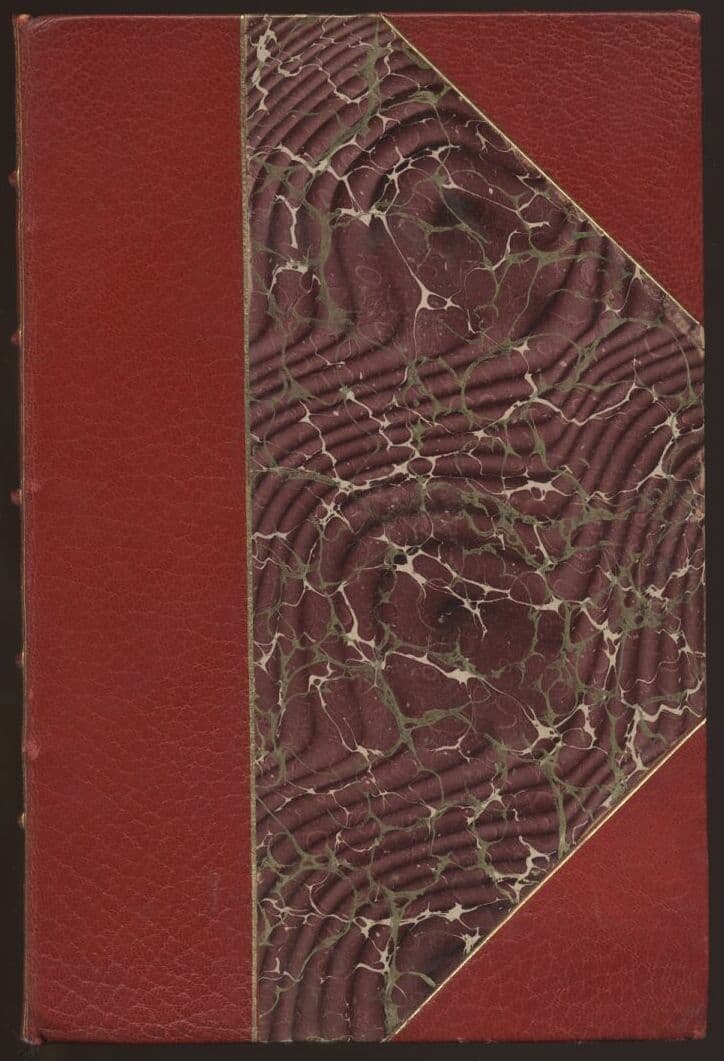
A Kiss for Cinderella: A Comedy
1920
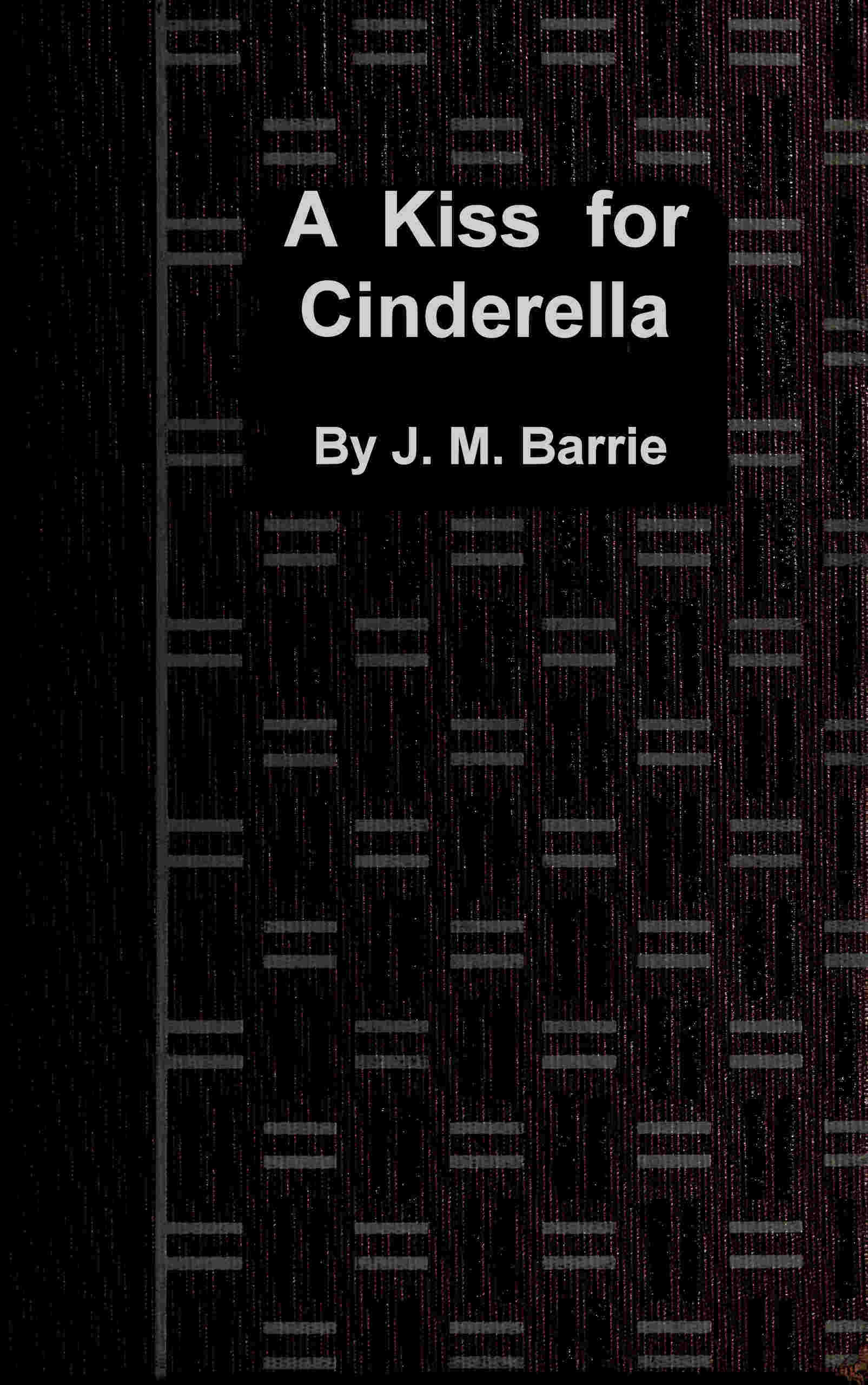
J.M. Barrie, the immortal mind behind Peter Pan, reimagines Cinderella for a world scarred by war. In this witty 1920 comedy, a London domestic named Jane spends her days scrubbing floors and caring for four tiny orphans in a grim tenement. But when the lights go out and the children sleep, she becomes something else entirely: Cinderella, dreaming of the ball she'll never attend, of a prince who might be waiting just beyond the fog. Then a wounded soldier appears at her door, amnesiac and desperate, and Jane must decide whether the fairy tale she's built in her head can survive the messy reality of love. Barrie's genius lies in the twist: this isn't a story about escape from poverty, but about how imagination itself becomes a form of resistance, how a woman with nothing can still create magic. The play hums with Barrie's signature tenderness and his refusal to let hard truths flatten hard-won hope. It's a small, perfect thing: a wartime comedy that laughs at tragedy and means it.
Editions
X-Ray
“POLICEMAN. Good luck. (She finds it easiest just to nod in reply) I wish I was a Prince.””
— J. M. Barrie
“The policeman comes : in his hand the weapon that has knocked down more malefactors than all the batons the bull's-eye. He strikes with it now, right and left, revealing, as if she had just entered the room, a replica of the Venus of Milo, taller than himself though he is a stalwart. It is the first meeting of these two, but, though a man who can come to the boil, he is as little moved by her as she by him. After the first glance she continues her reflections. Her smile over his head vaguely displeases him. For two pins he would arrest her.””
— J. M. Barrie
Link to this book
Add a free, dofollow link to Lex on your blog, forum, syllabus, or reading list.

<a href="https://lex-books.com/book/a-kiss-for-cinderella-a-comedy-47fdfde8-4e35-488e-8563-c523e971b472"><img src="https://lex-books.com/badges/read-on-lex.svg" alt="Read A Kiss for Cinderella: A Comedy by J. M. Barrie free on Lex" width="160" height="40"></a>[](https://lex-books.com/book/a-kiss-for-cinderella-a-comedy-47fdfde8-4e35-488e-8563-c523e971b472)[url=https://lex-books.com/book/a-kiss-for-cinderella-a-comedy-47fdfde8-4e35-488e-8563-c523e971b472][img]https://lex-books.com/badges/read-on-lex.svg[/img][/url]Read A Kiss for Cinderella: A Comedy by J. M. Barrie free on Lex: https://lex-books.com/book/a-kiss-for-cinderella-a-comedy-47fdfde8-4e35-488e-8563-c523e971b472Cite this book
Reading this edition for a paper or guide? Copy a citation.
Barrie, J. M.. A Kiss for Cinderella: A Comedy. Lex, lex-books.com/book/a-kiss-for-cinderella-a-comedy-47fdfde8-4e35-488e-8563-c523e971b472.Barrie, J. M. (1920). A Kiss for Cinderella: A Comedy. Lex. https://lex-books.com/book/a-kiss-for-cinderella-a-comedy-47fdfde8-4e35-488e-8563-c523e971b472Barrie, J. M.. A Kiss for Cinderella: A Comedy. Lex. https://lex-books.com/book/a-kiss-for-cinderella-a-comedy-47fdfde8-4e35-488e-8563-c523e971b472.