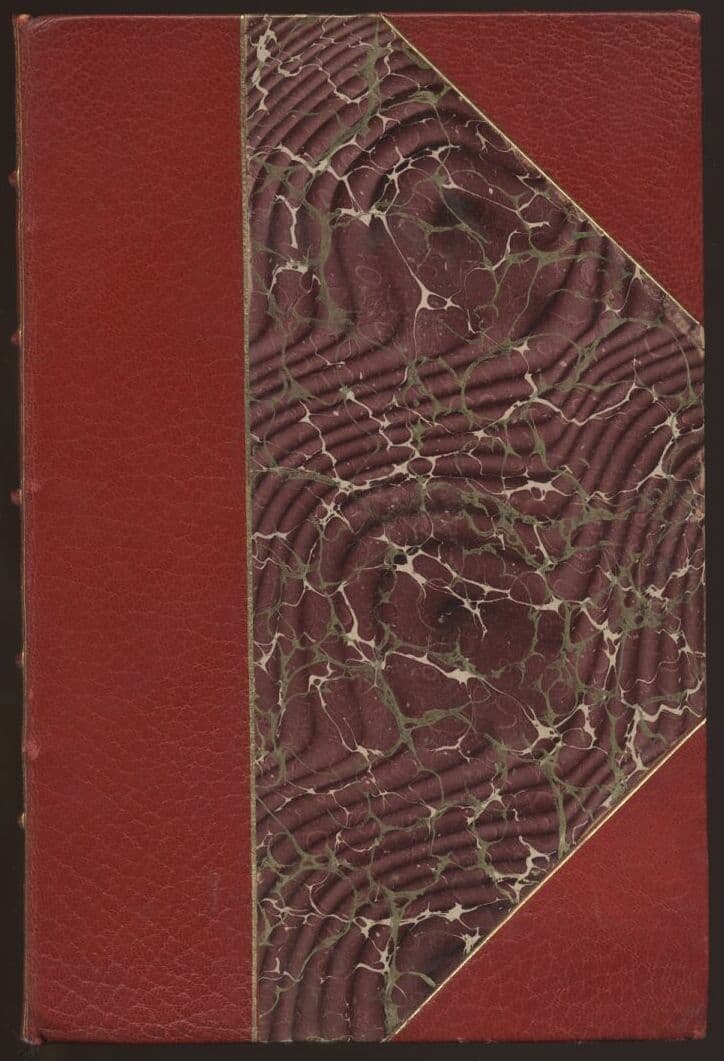
A Dead Man's Diary: Written After His Decease
1891
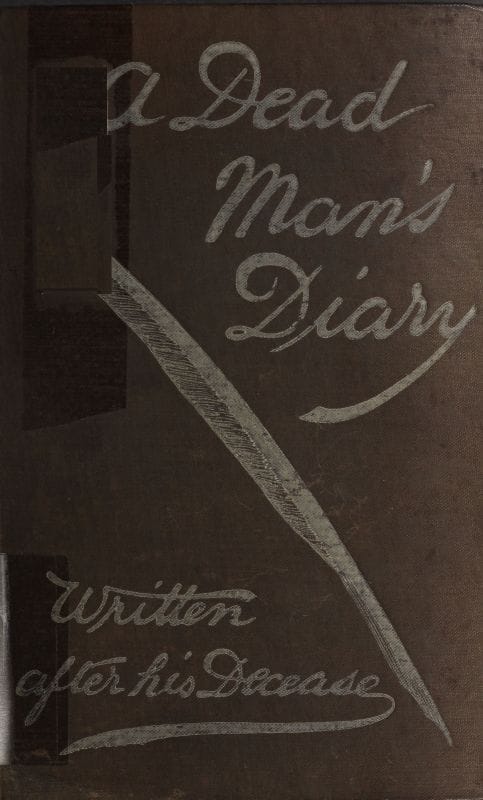
A Dead Man's Diary: Written After His Decease
1891
A man dies. He sees what lies beyond. Then, impossibly, he returns. Coulson Kernahan's 1891 novel is a provocative Victorian fantasy of the afterlife, narrated by a protagonist who awakens on a mortuary slab, recounts his journey through the realm beyond, and lives to write about it. What he discovers there is neither the comfortable heaven of sentiment nor the theatrical hell of Dante. Instead, Kernahan constructs a moral theater where souls are sorted not by their prayers or their hymns, but by the actual texture of their lives. The narrator encounters acquaintances transformed: the respectable man revealed as a hollow hypocrite, the apparent sinner bearing unexpected dignity. In a particularly searing encounter, a neighbor known for fervent piety and tears during hymns stands condemned in hell, unable to understand why his feelings were not enough. The novel's power lies in its ruthless Victorian moralism, its insistence that self-deception about one's own goodness is the most dangerous sin of all. Kernahan writes with uncomfortable clarity about the gap between religious feeling and moral action, a gap his characters cannot cross and his readers cannot ignore. For those who appreciate Victorian literature's willingness to grapple with death, judgment, and the anxious question of what a life has actually added up to.
Editions
Link to this book
Add a free, dofollow link to Lex on your blog, forum, syllabus, or reading list.

<a href="https://lex-books.com/book/a-dead-man-s-diary-written-after-his-decease-2633cb0e-eb74-4a59-9f44-c83ed4a84907"><img src="https://lex-books.com/badges/read-on-lex.svg" alt="Read A Dead Man's Diary: Written After His Decease by Coulson Kernahan free on Lex" width="160" height="40"></a>[](https://lex-books.com/book/a-dead-man-s-diary-written-after-his-decease-2633cb0e-eb74-4a59-9f44-c83ed4a84907)[url=https://lex-books.com/book/a-dead-man-s-diary-written-after-his-decease-2633cb0e-eb74-4a59-9f44-c83ed4a84907][img]https://lex-books.com/badges/read-on-lex.svg[/img][/url]Read A Dead Man's Diary: Written After His Decease by Coulson Kernahan free on Lex: https://lex-books.com/book/a-dead-man-s-diary-written-after-his-decease-2633cb0e-eb74-4a59-9f44-c83ed4a84907Cite this book
Reading this edition for a paper or guide? Copy a citation.
Kernahan, Coulson. A Dead Man's Diary: Written After His Decease. Lex, lex-books.com/book/a-dead-man-s-diary-written-after-his-decease-2633cb0e-eb74-4a59-9f44-c83ed4a84907.Kernahan, C. (1891). A Dead Man's Diary: Written After His Decease. Lex. https://lex-books.com/book/a-dead-man-s-diary-written-after-his-decease-2633cb0e-eb74-4a59-9f44-c83ed4a84907Kernahan, Coulson. A Dead Man's Diary: Written After His Decease. Lex. https://lex-books.com/book/a-dead-man-s-diary-written-after-his-decease-2633cb0e-eb74-4a59-9f44-c83ed4a84907.