A Book of the Riviera
1905
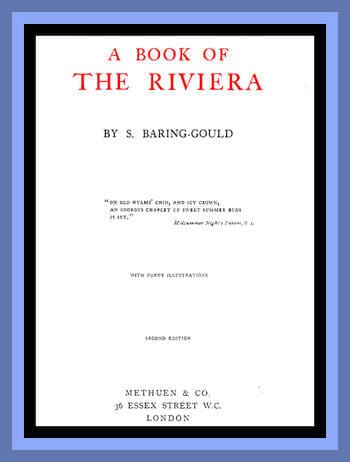
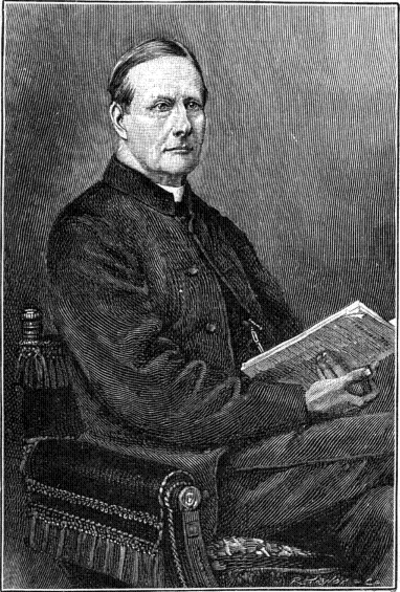
The Riviera of 1905 was a different world. Before the highway, before the package holiday, before Cannes and Nice became global brands, the coast stretching from Provence to Liguria was still a place of discovery. S. Baring-Gould arrived in this last moment of Edwardian elegance, when winter visitors arrived by train to find a landscape where ancient Rome pressed against the present, where Phoenician fragments surfaced in garden walls, and where the mountains still wore their original names. Baring-Gould writes for the thoughtful traveler, not the mere tourist. He traces the coast's transformation from a backwater known only to artists and consumptives into the fashionable winter resort discovered by Lord Brougham in the 1830s. But he is equally fascinated by what came before: the Greeks who planted olives, the Romans who built villas, the Saracens who gave the Maritime Alps their name. His descriptions of flora and landscape are those of a naturalist walking the same hills that Cicero once viewed from his villa. This is travel writing as it used to be written: erudite, discursive, unafraid of a digression about medieval monasteries or the migration patterns of birds. It captures a Riviera that existed briefly between the old world and the modern one.
Editions
Link to this book
Add a free, dofollow link to Lex on your blog, forum, syllabus, or reading list.

<a href="https://lex-books.com/book/a-book-of-the-riviera-0bb9a4c9-0658-4155-875f-09ebd75ce2c8"><img src="https://lex-books.com/badges/read-on-lex.svg" alt="Read A Book of the Riviera by S. Baring-Gould free on Lex" width="160" height="40"></a>[](https://lex-books.com/book/a-book-of-the-riviera-0bb9a4c9-0658-4155-875f-09ebd75ce2c8)[url=https://lex-books.com/book/a-book-of-the-riviera-0bb9a4c9-0658-4155-875f-09ebd75ce2c8][img]https://lex-books.com/badges/read-on-lex.svg[/img][/url]Read A Book of the Riviera by S. Baring-Gould free on Lex: https://lex-books.com/book/a-book-of-the-riviera-0bb9a4c9-0658-4155-875f-09ebd75ce2c8Cite this book
Reading this edition for a paper or guide? Copy a citation.
Baring-Gould, S.. A Book of the Riviera. Lex, lex-books.com/book/a-book-of-the-riviera-0bb9a4c9-0658-4155-875f-09ebd75ce2c8.Baring-Gould, S. (1905). A Book of the Riviera. Lex. https://lex-books.com/book/a-book-of-the-riviera-0bb9a4c9-0658-4155-875f-09ebd75ce2c8Baring-Gould, S.. A Book of the Riviera. Lex. https://lex-books.com/book/a-book-of-the-riviera-0bb9a4c9-0658-4155-875f-09ebd75ce2c8.