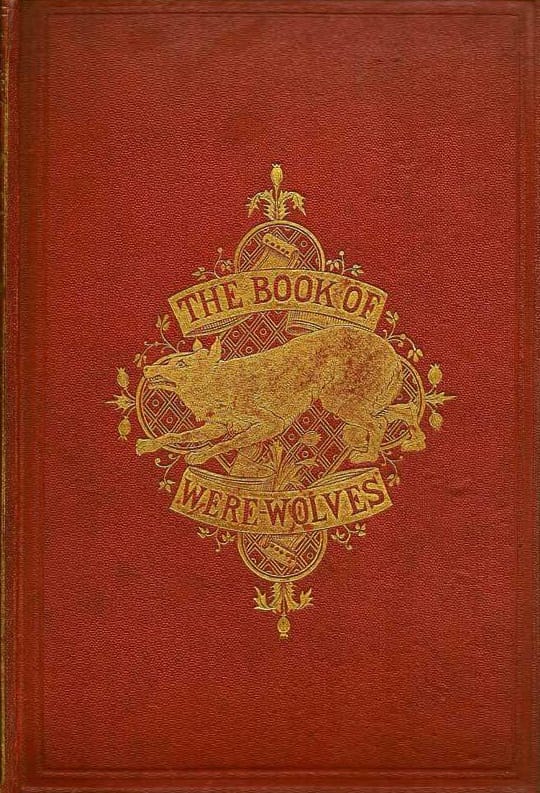
The Book of Were-Wolves
1865
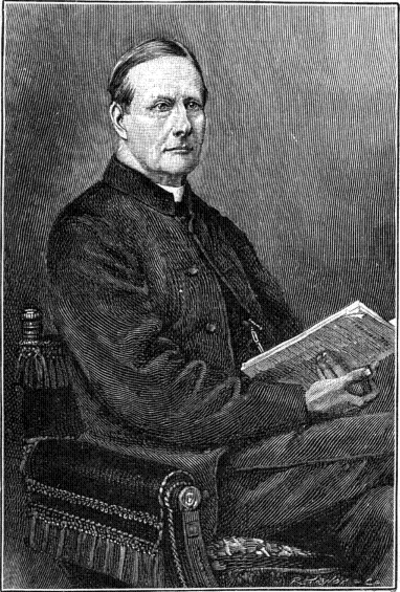
In 1865, a Victorian theologian with an unsettling gift for storytelling sat down to write the first serious English-language study of werewolves and what he called 'the terrible crime of lycanthropy.' Sabine Baring-Gould opens with his own encounter in the French village of Vienne, where locals whisper of the loup-garou, a creature of impossible size and malice that stalks the woods at night. This personal anecdote establishes the tone: part meticulous scholarship, part fireside horror, all grounded in the firm conviction that these myths conceal something real and terrible about human nature. The book traces lycanthropy from ancient Greece through medieval Europe, culminating in ten shocking historical case studies of cannibals, grave-robbers, and the infamous Gilles de Retz, dark companion to Joan of Arc. Baring-Gould argues that werewolf legends may stem from actual psychological phenomena, madness made manifest in bloodlust and flesh-eating. The result is a deeply strange and compelling work: a serious academic text that reads like the most disturbing chapter of a Victorian gentleman's notebook, full of genuine learning and genuine dread.
Editions
X-Ray
“...Under the veil of Mythology lies a solid Reality.””
— S. Baring-Gould
“Has herbas, atque hæc Ponto mihi lecta venena Ipse dedit Mœris; nascuntur plurima Ponto. His ego sæpe lupum fieri et se conducere sylvis Mœrim, sæpe animas imis excire sepulchris, Atque satas alio, vidi traducere messes.””
— S. Baring-Gould
Link to this book
Add a free, dofollow link to Lex on your blog, forum, syllabus, or reading list.

<a href="https://lex-books.com/book/the-book-of-were-wolves-caac9fcd-f397-43a9-8ea0-e24d3d85b186"><img src="https://lex-books.com/badges/read-on-lex.svg" alt="Read The Book of Were-Wolves by S. Baring-Gould free on Lex" width="160" height="40"></a>[](https://lex-books.com/book/the-book-of-were-wolves-caac9fcd-f397-43a9-8ea0-e24d3d85b186)[url=https://lex-books.com/book/the-book-of-were-wolves-caac9fcd-f397-43a9-8ea0-e24d3d85b186][img]https://lex-books.com/badges/read-on-lex.svg[/img][/url]Read The Book of Were-Wolves by S. Baring-Gould free on Lex: https://lex-books.com/book/the-book-of-were-wolves-caac9fcd-f397-43a9-8ea0-e24d3d85b186Cite this book
Reading this edition for a paper or guide? Copy a citation.
Baring-Gould, S.. The Book of Were-Wolves. Lex, lex-books.com/book/the-book-of-were-wolves-caac9fcd-f397-43a9-8ea0-e24d3d85b186.Baring-Gould, S. (1865). The Book of Were-Wolves. Lex. https://lex-books.com/book/the-book-of-were-wolves-caac9fcd-f397-43a9-8ea0-e24d3d85b186Baring-Gould, S.. The Book of Were-Wolves. Lex. https://lex-books.com/book/the-book-of-were-wolves-caac9fcd-f397-43a9-8ea0-e24d3d85b186.