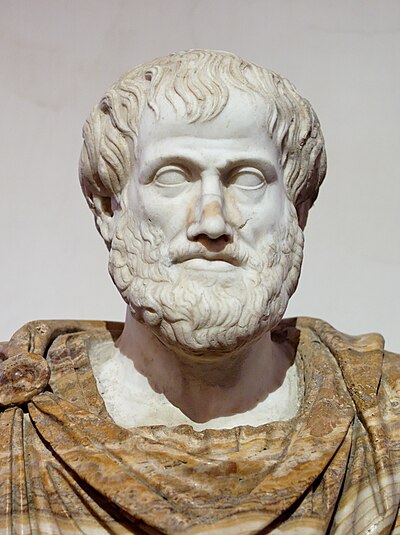
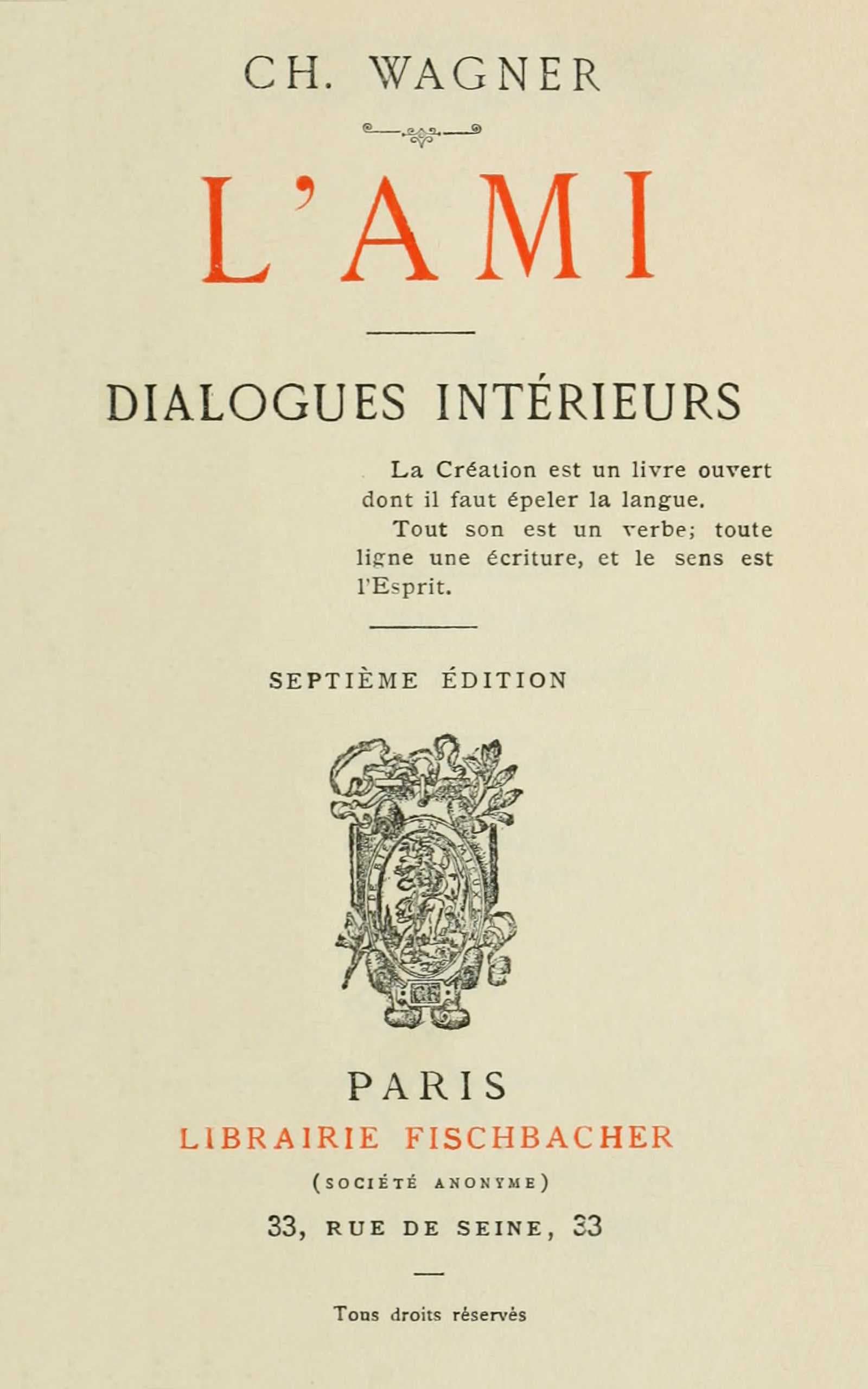
Περί Ψυχής
1882
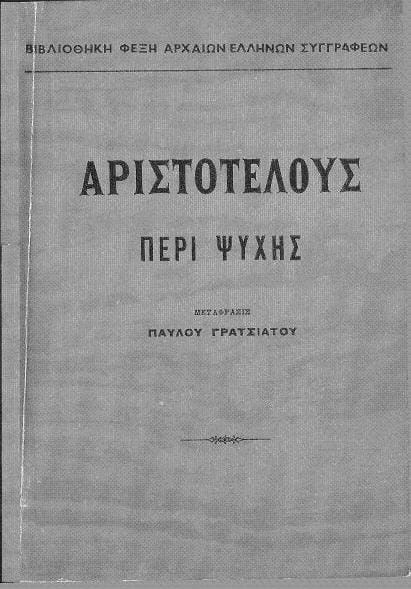
What is the principle that makes you alive? Aristotle posed this question in the 4th century BCE, and his answer still shapes how we think about mind, consciousness, and being. De Anima (On the Soul) is not a mystical treatise but a rigorous philosophical investigation into what distinguishes the living from the dead, what enables perception and thought, and how the soul relates to the body it animates. Aristotle examines the full spectrum of living things, from plants to animals to humans, building a theory that the soul is the form of a living body, inseparable from its material vessel yet constituting its essential reality. He catalogues the powers of the psyche: nutrition, sensation, desire, movement, and thought, arguing that each represents an increasing degree of soul perfection. The text confronts the great philosophical puzzles of its age and ours: What is consciousness? How can matter think? Why do we have subjective experience? It is philosophy of mind before the discipline had a name, yet it addresses questions that neuroscience and AI research still grapple with today. For anyone curious about what it means to be alive, to perceive, to desire, to reason, this ancient text remains startlingly urgent.
Editions
X-Ray
“The physician and the philosopher have different ways of defining the diseases of the soul. For instance anger for the philosopher is a sentiment born of the desire to return an offense, whereas for the physician it is a surging of blood around the heart.””
— Aristotle
“si el alma se encuentra en todo cuerpo dotado de sensibilidad y si además suponemos que el alma es un cuerpo, necesariamente habrá dos cuerpos en el mismo lugar.””
— Aristotle
“Todos los cuerpos naturales, en efecto, son órganos del alma tanto los de los animales como los de las plantas: lo que demuestra que su fin 20 es el alma.””
— Aristotle
“Que no existe ningún otro sentido aparte de los cinco 424b 22”
— Aristotle
Link to this book
Add a free, dofollow link to Lex on your blog, forum, syllabus, or reading list.

<a href="https://lex-books.com/book/-0ef59696-d9e8-4bd8-8a4d-e5271f4e0004"><img src="https://lex-books.com/badges/read-on-lex.svg" alt="Read Περί Ψυχής by Aristotle free on Lex" width="160" height="40"></a>[](https://lex-books.com/book/-0ef59696-d9e8-4bd8-8a4d-e5271f4e0004)[url=https://lex-books.com/book/-0ef59696-d9e8-4bd8-8a4d-e5271f4e0004][img]https://lex-books.com/badges/read-on-lex.svg[/img][/url]Read Περί Ψυχής by Aristotle free on Lex: https://lex-books.com/book/-0ef59696-d9e8-4bd8-8a4d-e5271f4e0004Cite this book
Reading this edition for a paper or guide? Copy a citation.
Aristotle. Περί Ψυχής. Lex, lex-books.com/book/-0ef59696-d9e8-4bd8-8a4d-e5271f4e0004.Aristotle (1882). Περί Ψυχής. Lex. https://lex-books.com/book/-0ef59696-d9e8-4bd8-8a4d-e5271f4e0004Aristotle. Περί Ψυχής. Lex. https://lex-books.com/book/-0ef59696-d9e8-4bd8-8a4d-e5271f4e0004.