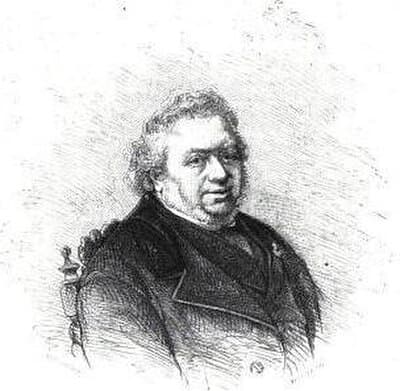
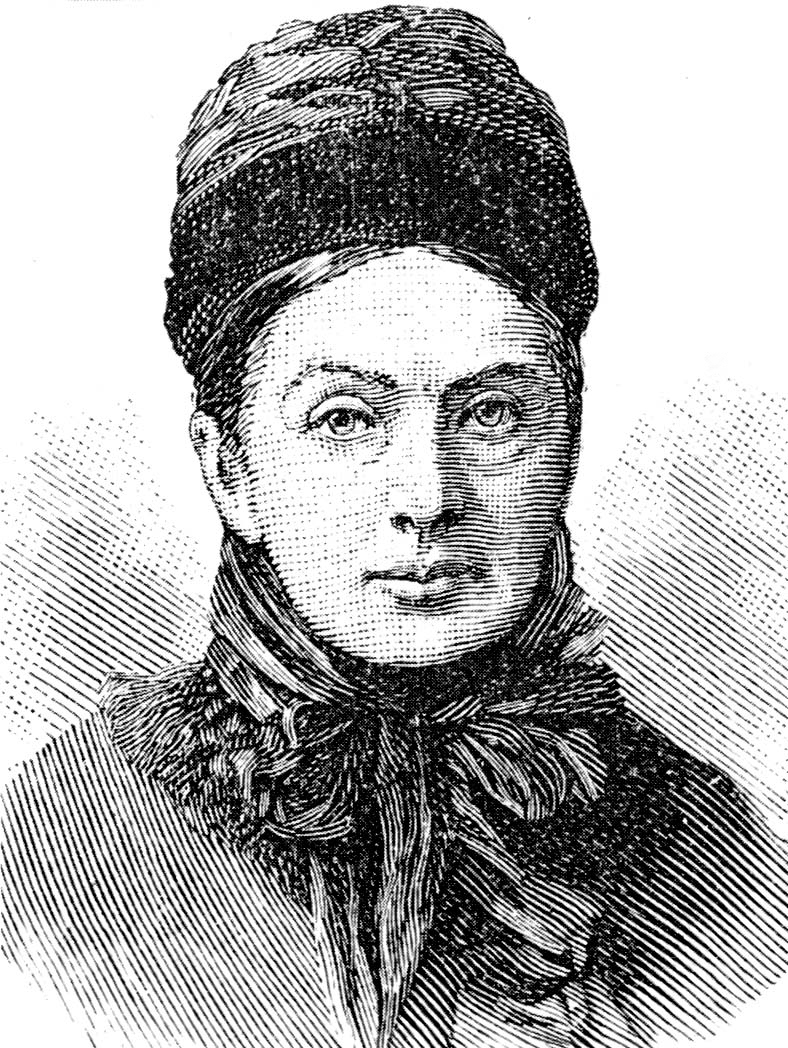
X.-B. Saintine
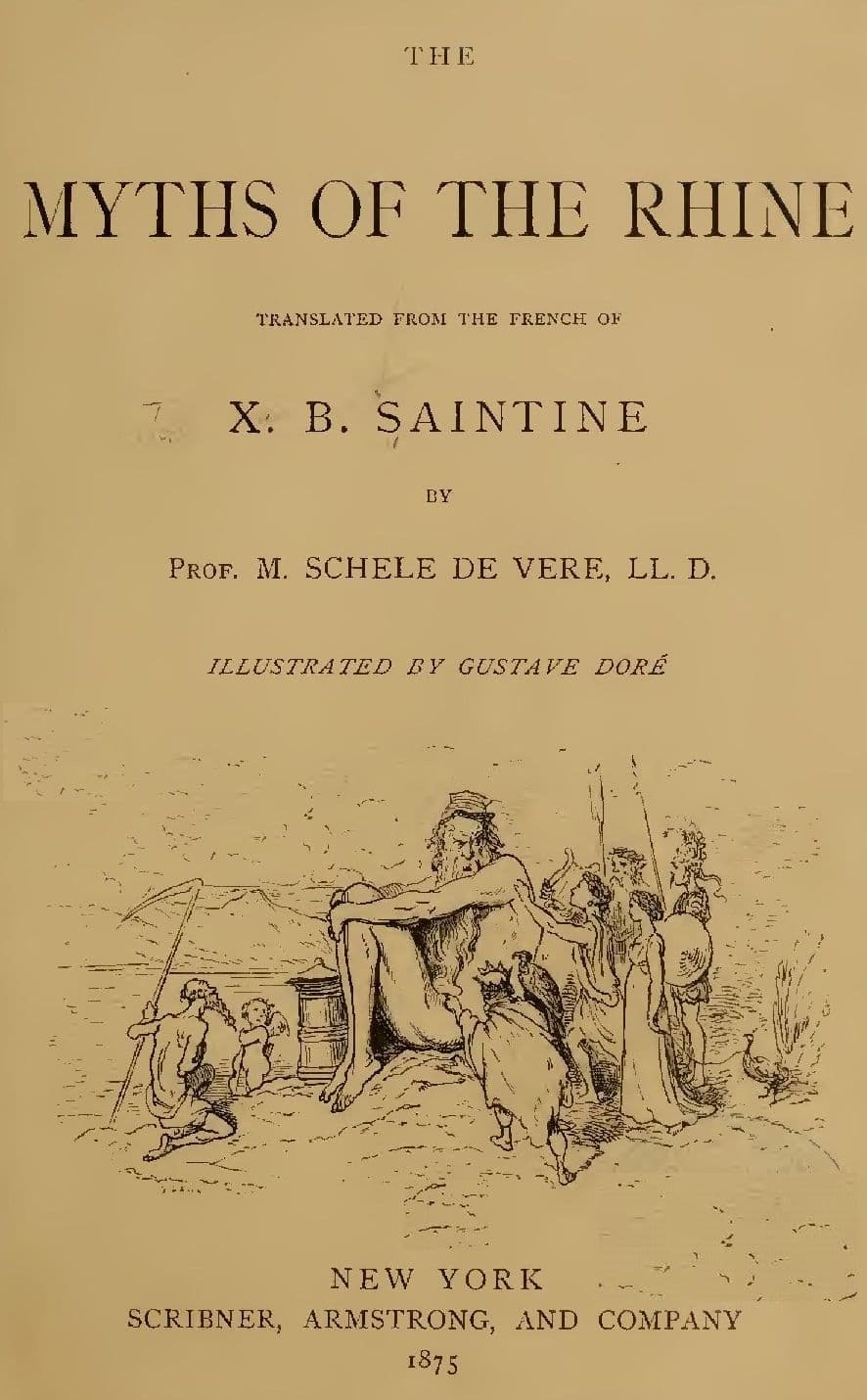
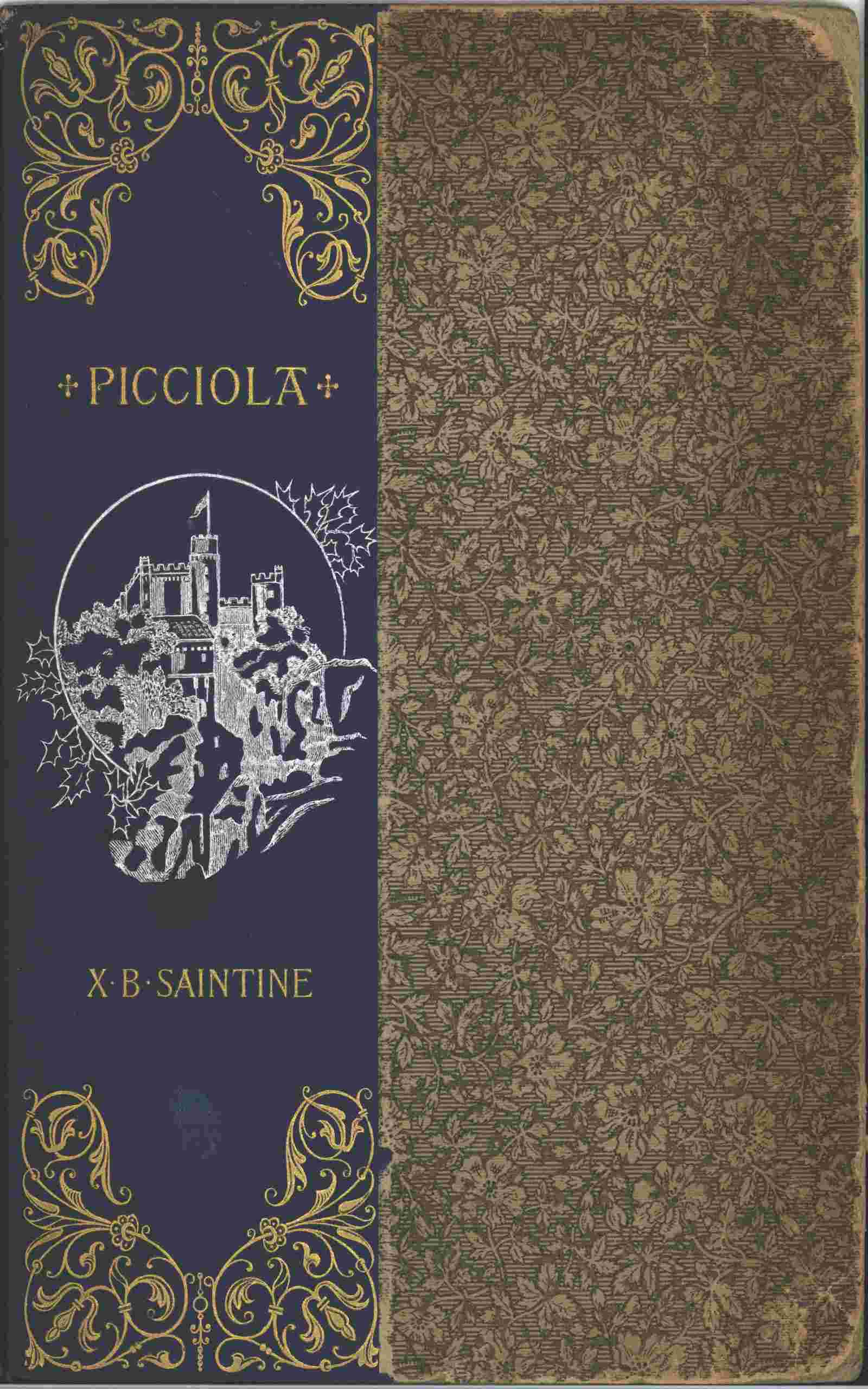
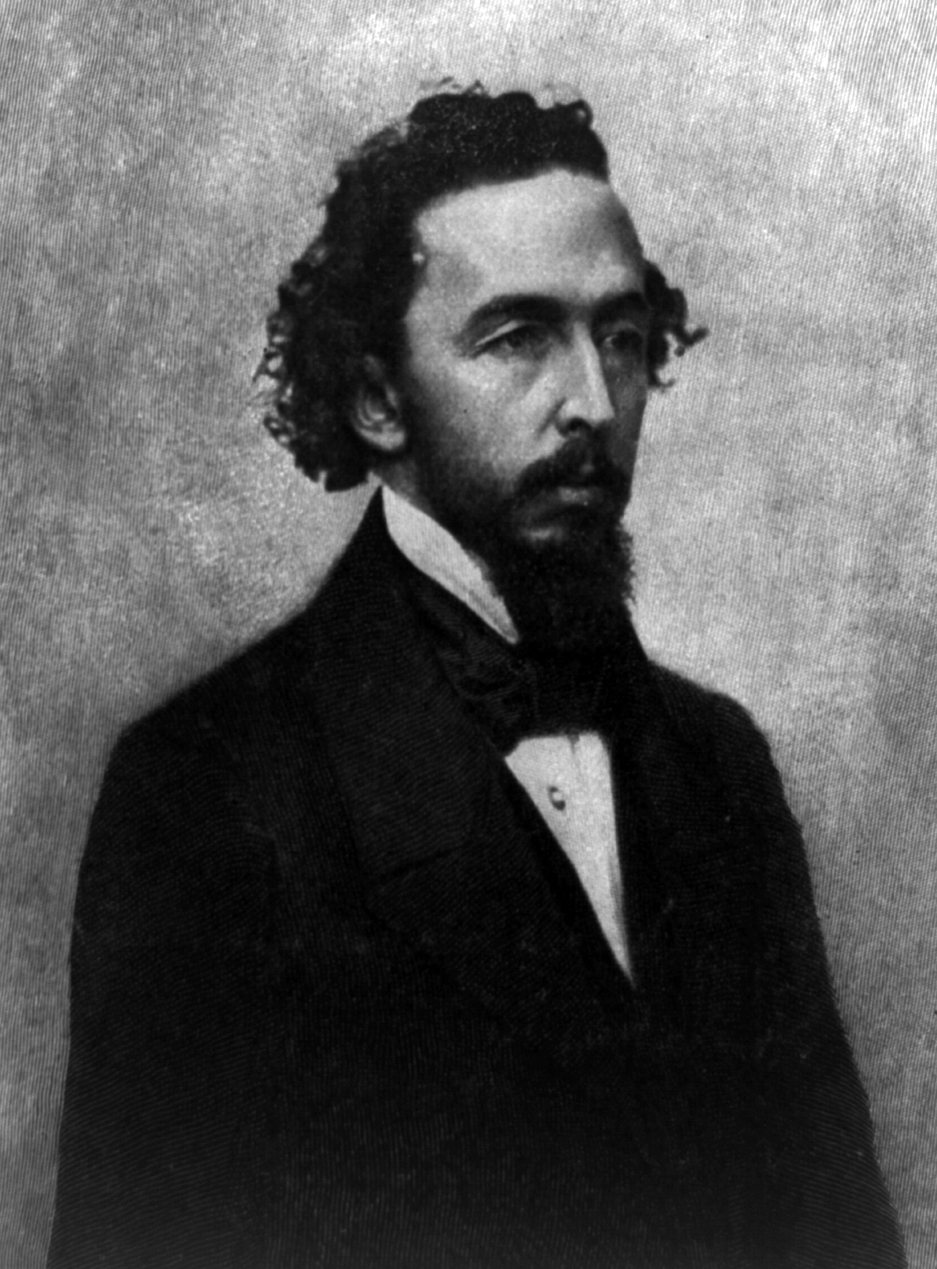
X.-B. Saintine was a French author known for his contributions to literature in the 19th century, particularly in the realms of adventure and philosophical fiction. His notable works include 'The Solitary of Juan Fernandez, or the Real Robinson Crusoe,' which presents a unique take on the classic castaway narrative, emphasizing themes of solitude and self-discovery. Another significant work, 'Picciola: The Prisoner of Fenestrella,' is a poignant exploration of captivity and the human spirit, illustrating how creativity and imagination can flourish even in the direst circumstances. Saintine's writing often reflected a deep engagement with the human condition, blending elements of realism with romanticism. In addition to his novels, Saintine's 'Myths of the Rhine' and 'Le chemin des écoliers' showcase his versatility as a storyteller, drawing upon folklore and the experiences of youth, respectively. His ability to weave intricate narratives that resonate with both adventure and introspection has secured his place in the literary canon. Although not as widely recognized today, Saintine's works contributed to the rich tapestry of 19th-century French literature, influencing contemporaries and later writers with his innovative storytelling and thematic depth.
Famous Quotes
View all 1 quotes“Of what use to the flowers are their sweet odors? Do they themselves enjoy them? No.Are they meant for the pleasure of animals?Did you ever see a sheep or a dog pause before a rose to inhale its perfume?Then it was for man alone that the rich treasures are meant. Wherefore?That they may be loved, perhaps.””
Books from the author





Link to this page
Add a free, dofollow link to Lex on your blog, forum, syllabus, or reading list.

<a href="https://lex-books.com/author/x-b-saintine-2"><img src="https://lex-books.com/badges/read-on-lex.svg" alt="X.-B. Saintine on Lex" width="160" height="40"></a>[](https://lex-books.com/author/x-b-saintine-2)[url=https://lex-books.com/author/x-b-saintine-2][img]https://lex-books.com/badges/read-on-lex.svg[/img][/url]X.-B. Saintine on Lex: https://lex-books.com/author/x-b-saintine-2