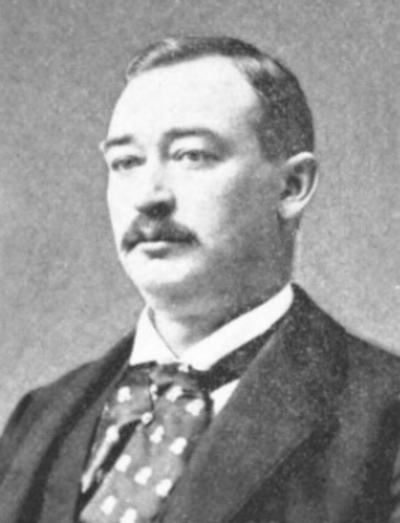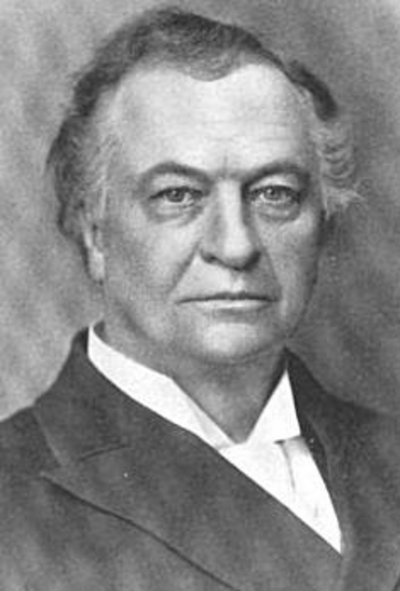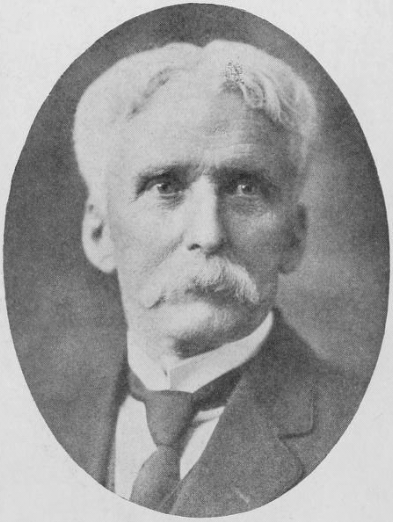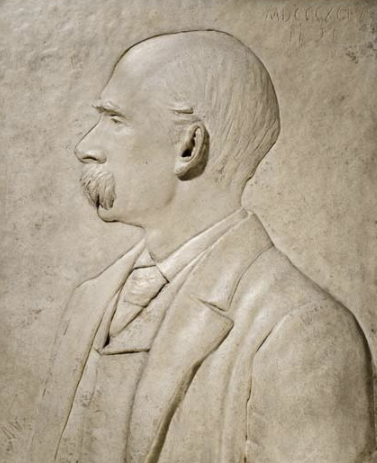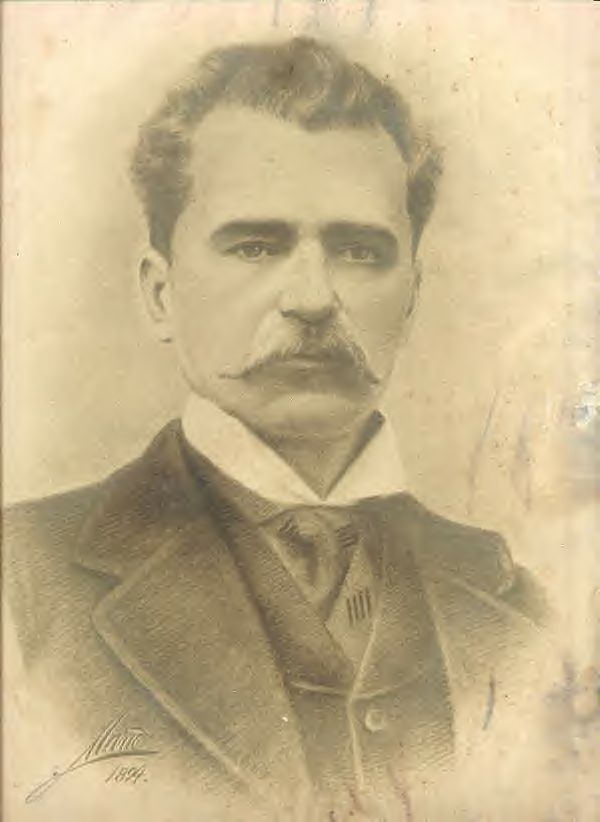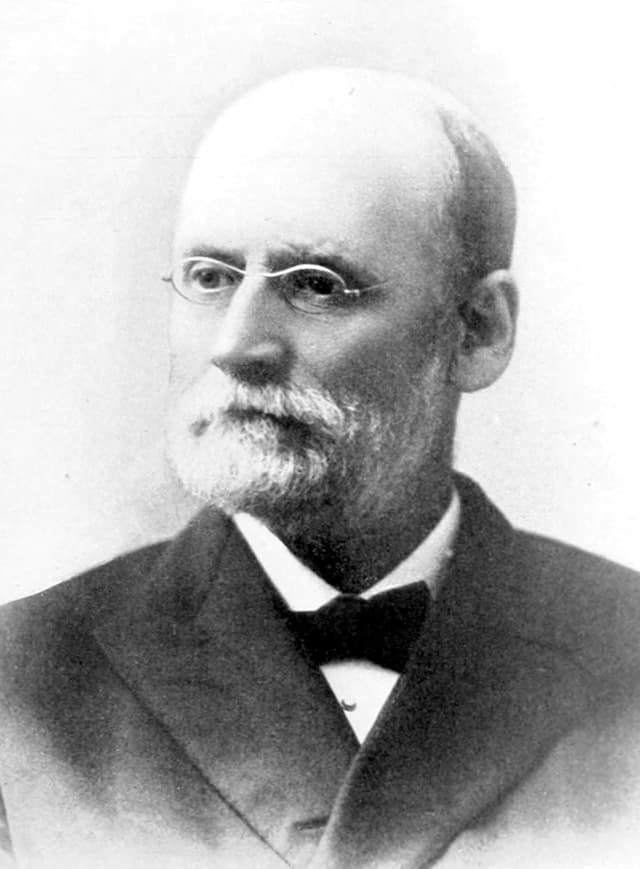
William Torrey Harris
William Torrey Harris was an influential American educator, philosopher, and lexicographer, whose contributions significantly shaped the landscape of public education in the United States. He spent nearly twenty-five years in St. Louis, Missouri, where he not only taught but also served as the Superintendent of Schools for twelve years. In 1873, he collaborated with Susan Blow to establish the first permanent public kindergarten in the country, marking a pivotal moment in early childhood education. Harris was also instrumental in integrating high school into the public education system, advocating for a comprehensive approach to education that included both foundational and advanced learning. A proponent of Hegelian philosophy, Harris co-founded the Journal of Speculative Philosophy in 1867, the first philosophical journal in the United States, which aimed to foster intellectual discourse. His involvement with the Concord School of Philosophy, alongside figures like Amos Bronson Alcott, further underscored his commitment to philosophical inquiry. In 1889, he was appointed as the United States Commissioner of Education, a role he held under four different presidents until 1906. Harris's legacy lies in his pioneering efforts to reform education and his philosophical contributions, which continue to influence educational theory and practice today.
Famous Quotes
View all 2 quotes“Our schools have been scientifically designed to prevent over-education from happening. The average citizen should be content with their humble role in life.”
“Ninety-nine (students) out of a hundred are automata, careful to walk in prescribed paths, careful to follow the prescribed custom. This is not an accident but the result of substantial education, which, scientifically defined, is the subsumption of the individual.”
Books from the author