A Day in Old Rome: A Picture of Roman Life
1925
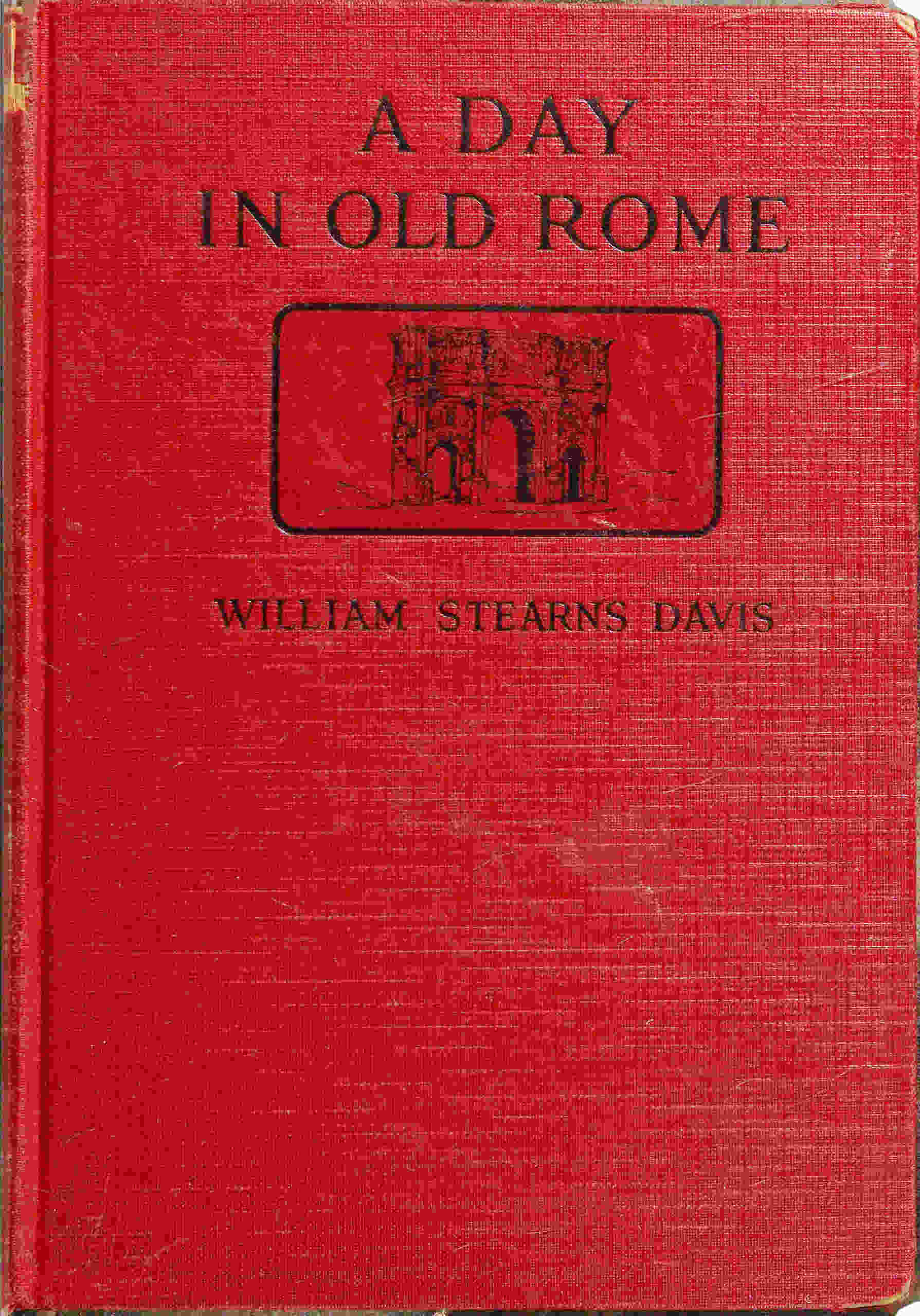
A Day in Old Rome: A Picture of Roman Life
1925
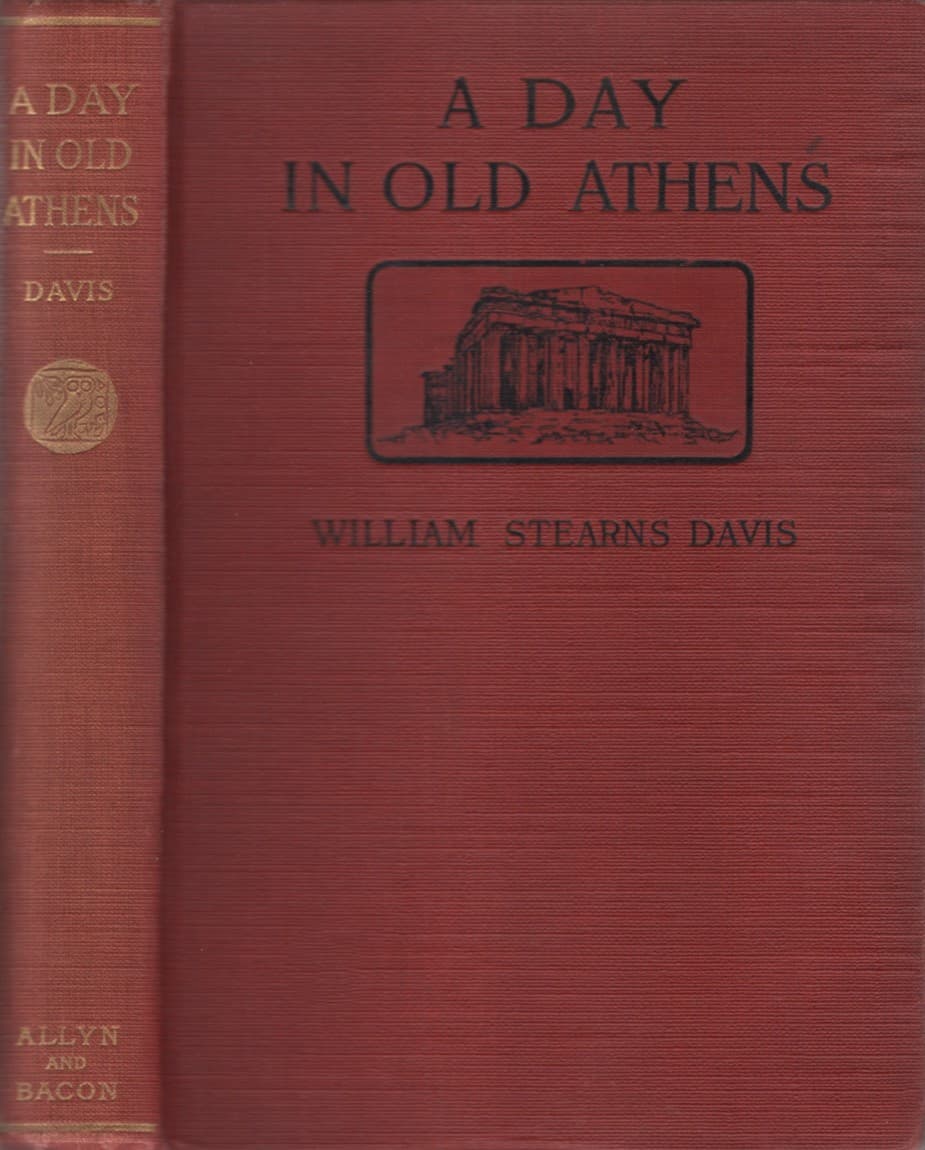
The time machine that actually works. Stearns Davis doesn't just describe ancient Rome - he drops you into it, hour by hour, street by street, during the reign of Hadrian when the empire reached its elegant zenith. You will walk the narrow lanes of the Esquiline as dawn breaks, stepping around refuse and shrine altars. You will squeeze through crowds where Greek and Latin collide, read the graffiti scratched on walls, smell the baker's shop and the Tiber's funk. The book reconstructs everything: how a tenement tenant paid rent, what an attic room cost, which streets flooded at night, how processions moved through the chaos. This is not a parade of emperors and battles - it's the Rome of shopkeepers, slaves, doctors, and landlords. Davis builds his portrait from Latin sources and early archaeology, making the ancient world feel startlingly immediate and human. For anyone who has stood in the Roman Forum and wished they could see it alive with the people who built it.
Editions

X-Ray
A Roman senator of ancient lineage living on the Esquiline Hill. He represents the traditional Roman aristocracy, maintaining a household of 150 slaves and balancing old customs with imperial realities.
Calvus's wife, a Roman matron who manages the household slaves and shares authority in domestic matters. She represents the elevated status of Roman women in the imperial period.
The reigning Roman Emperor (117-138 A.D.), known for his travels, building projects, and Greek cultural interests. Though absent from Rome during the narrative, his influence permeates the city.
Calvus's eldest son, being educated in traditional Roman manner and already accompanying his father to Senate sessions.
About A Day in Old Rome: A Picture of Roman Life
Chapter Summaries
- I
- An overview of Rome in 134 A.D. under Hadrian's prosperous reign, describing the city's architecture, population of 1.5 million, and building materials. The chapter establishes Rome as the cosmopolitan center of a vast empire at its architectural peak.
- II
- A walk through Mercury Street reveals the crowded, noisy reality of Roman urban life. The chapter describes street vendors, public fountains, wall graffiti, and the diverse cosmopolitan population that fills the narrow thoroughfares.
- III
- Contrasts between tenement blocks (insulae) housing the poor and the elegant mansion (domus) of Senator Calvus. The chapter details Roman domestic architecture, decoration, and the vast gulf between rich and poor living conditions.
Key Themes
- Social Hierarchy and Status
- Roman society is rigidly stratified into distinct legal and social classes from slaves to senators. Status determines everything from legal rights to seating at public games, creating a complex system of privilege and obligation.
- Slavery and Human Dignity
- The pervasive institution of slavery affects every aspect of Roman life, from domestic service to skilled professions. The text explores both the brutality of the system and the complex relationships between masters and slaves.
- Cultural Cosmopolitanism vs. Traditional Values
- Rome struggles between maintaining ancestral customs and absorbing influences from conquered peoples, particularly Greeks. This tension appears in everything from architecture to education to religious practices.
Characters
- Publius Junius Calvus(protagonist)
- A Roman senator of ancient lineage living on the Esquiline Hill. He represents the traditional Roman aristocracy, maintaining a household of 150 slaves and balancing old customs with imperial realities.
- Gratia(major)
- Calvus's wife, a Roman matron who manages the household slaves and shares authority in domestic matters. She represents the elevated status of Roman women in the imperial period.
- Emperor Hadrian(major)
- The reigning Roman Emperor (117-138 A.D.), known for his travels, building projects, and Greek cultural interests. Though absent from Rome during the narrative, his influence permeates the city.
- Titus Calvus(minor)
- Calvus's eldest son, being educated in traditional Roman manner and already accompanying his father to Senate sessions.
- Cleander(minor)
- A freedman of Calvus who handles business affairs and slave purchases, representing the important role of ex-slaves in Roman society.
- Statilia(minor)
- A young bride from a wealthy equestrian family whose elaborate wedding demonstrates Roman marriage customs and social climbing.
Link to this book
Add a free, dofollow link to Lex on your blog, forum, syllabus, or reading list.

<a href="https://lex-books.com/book/a-day-in-old-rome-a-picture-of-roman-life-c2317b50-6223-459c-b63b-e50baacc3575"><img src="https://lex-books.com/badges/read-on-lex.svg" alt="Read A Day in Old Rome: A Picture of Roman Life by William Stearns Davis free on Lex" width="160" height="40"></a>[](https://lex-books.com/book/a-day-in-old-rome-a-picture-of-roman-life-c2317b50-6223-459c-b63b-e50baacc3575)[url=https://lex-books.com/book/a-day-in-old-rome-a-picture-of-roman-life-c2317b50-6223-459c-b63b-e50baacc3575][img]https://lex-books.com/badges/read-on-lex.svg[/img][/url]Read A Day in Old Rome: A Picture of Roman Life by William Stearns Davis free on Lex: https://lex-books.com/book/a-day-in-old-rome-a-picture-of-roman-life-c2317b50-6223-459c-b63b-e50baacc3575Cite this book
Reading this edition for a paper or guide? Copy a citation.
Davis, William Stearns. A Day in Old Rome: A Picture of Roman Life. Lex, lex-books.com/book/a-day-in-old-rome-a-picture-of-roman-life-c2317b50-6223-459c-b63b-e50baacc3575.Davis, W. S. (1925). A Day in Old Rome: A Picture of Roman Life. Lex. https://lex-books.com/book/a-day-in-old-rome-a-picture-of-roman-life-c2317b50-6223-459c-b63b-e50baacc3575Davis, William Stearns. A Day in Old Rome: A Picture of Roman Life. Lex. https://lex-books.com/book/a-day-in-old-rome-a-picture-of-roman-life-c2317b50-6223-459c-b63b-e50baacc3575.