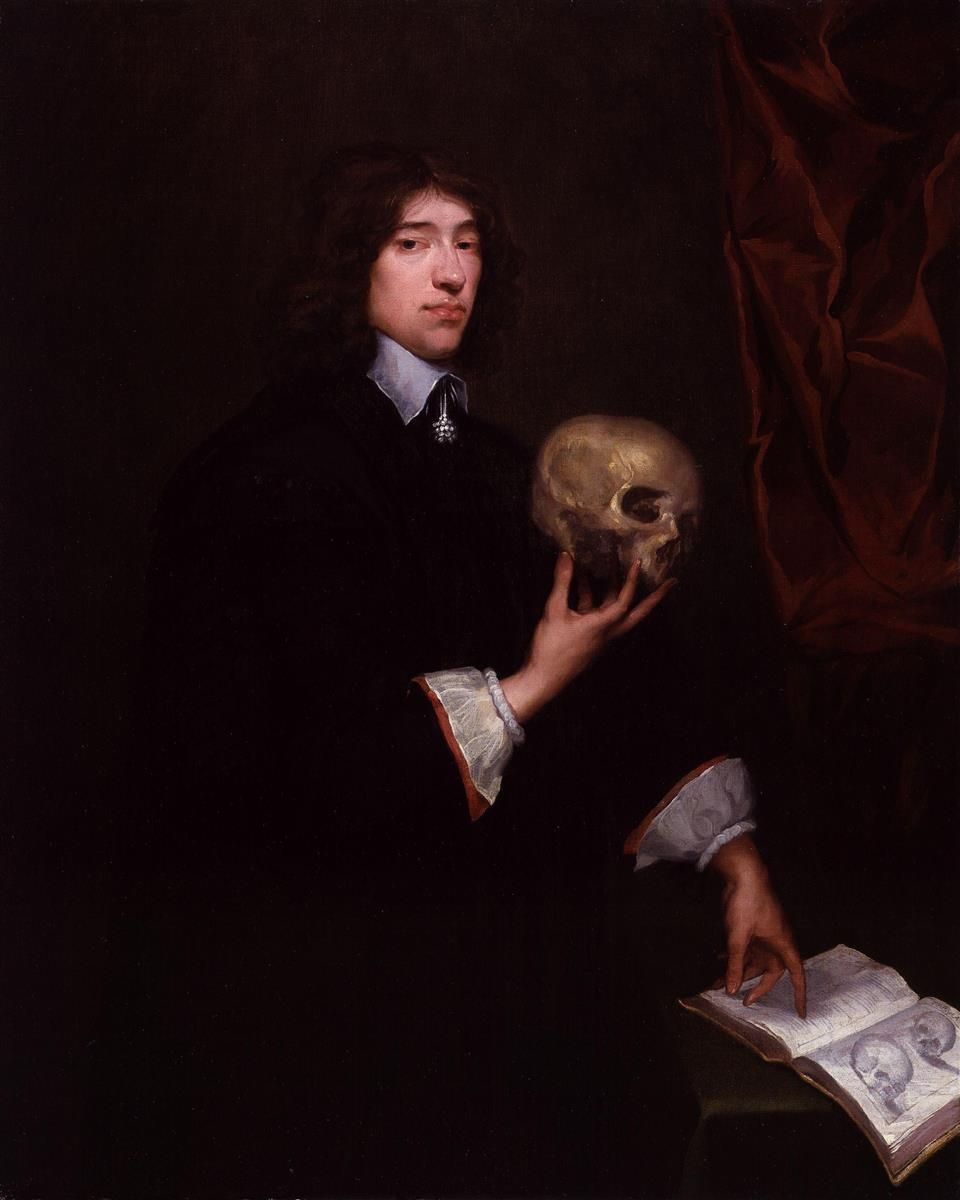
William Petty
William Petty was a prominent 17th-century English philosopher, scientist, and political economist, best known for his pioneering contributions to the fields of statistics and economics. Born in 1623 in Romsey, Hampshire, Petty was educated at Oxford University, where he developed a keen interest in natural philosophy and mathematics. His early career included work as a physician and a surveyor, which laid the groundwork for his later theories on population and economic measurement. Petty's most significant works include "The Political Arithmetick" and "Verbum Sapienti," where he introduced innovative methods for quantifying economic data and analyzing the wealth of nations, making him a precursor to modern economic thought. Petty's ideas were groundbreaking for their time, as he emphasized the importance of empirical data and statistical methods in understanding social and economic phenomena. He is often credited with laying the foundations for the discipline of political economy, influencing later economists such as Adam Smith. His legacy is marked by his role in the establishment of the Royal Society and his contributions to the development of the concept of national income. William Petty's work remains significant in the history of economic thought, as he bridged the gap between philosophy and practical economics, advocating for the use of scientific methods in the analysis of social issues.
Famous Quotes
View all 15 quotes“To-morrow, and to-morrow, and to-morrow,Creeps in this petty pace from day to day,To the last syllable of recorded time;And all our yesterdays have lighted foolsThe way to dusty death. Out, out, brief candle!Life's but a walking shadow, a poor player,That struts and frets his hour upon the stage,And then is heard no more. It is a taleTold by an idiot, full of sound and fury,Signifying nothing.””
“Why, man, he doth bestride the narrow worldLike a Colossus; and we petty menWalk under his huge legs, and peep aboutTo find ourselves dishonourable graves.””
“Then hate me when thou wilt; if ever, now;Now, while the world is bent my deeds to cross,Join with the spite of fortune, make me bow,And do not drop in for an after-loss:Ah! do not, when my heart hath ‘scaped this sorrow,Come in the rearward of a conquered woe;Give not a windy night a rainy morrow,To linger out a purposed overthrow.If thou wilt leave me, do not leave me last,When other petty griefs have done their spite,But in the onset come: so shall I tasteAt first the very worst of fortune’s might;And other strains of woe, which now seem woe,Compared with loss of thee, will not seem so.””
Books from the author




Link to this page
Add a free, dofollow link to Lex on your blog, forum, syllabus, or reading list.

<a href="https://lex-books.com/author/william-petty"><img src="https://lex-books.com/badges/read-on-lex.svg" alt="William Petty on Lex" width="160" height="40"></a>[](https://lex-books.com/author/william-petty)[url=https://lex-books.com/author/william-petty][img]https://lex-books.com/badges/read-on-lex.svg[/img][/url]William Petty on Lex: https://lex-books.com/author/william-petty