
Catherine Radziwill
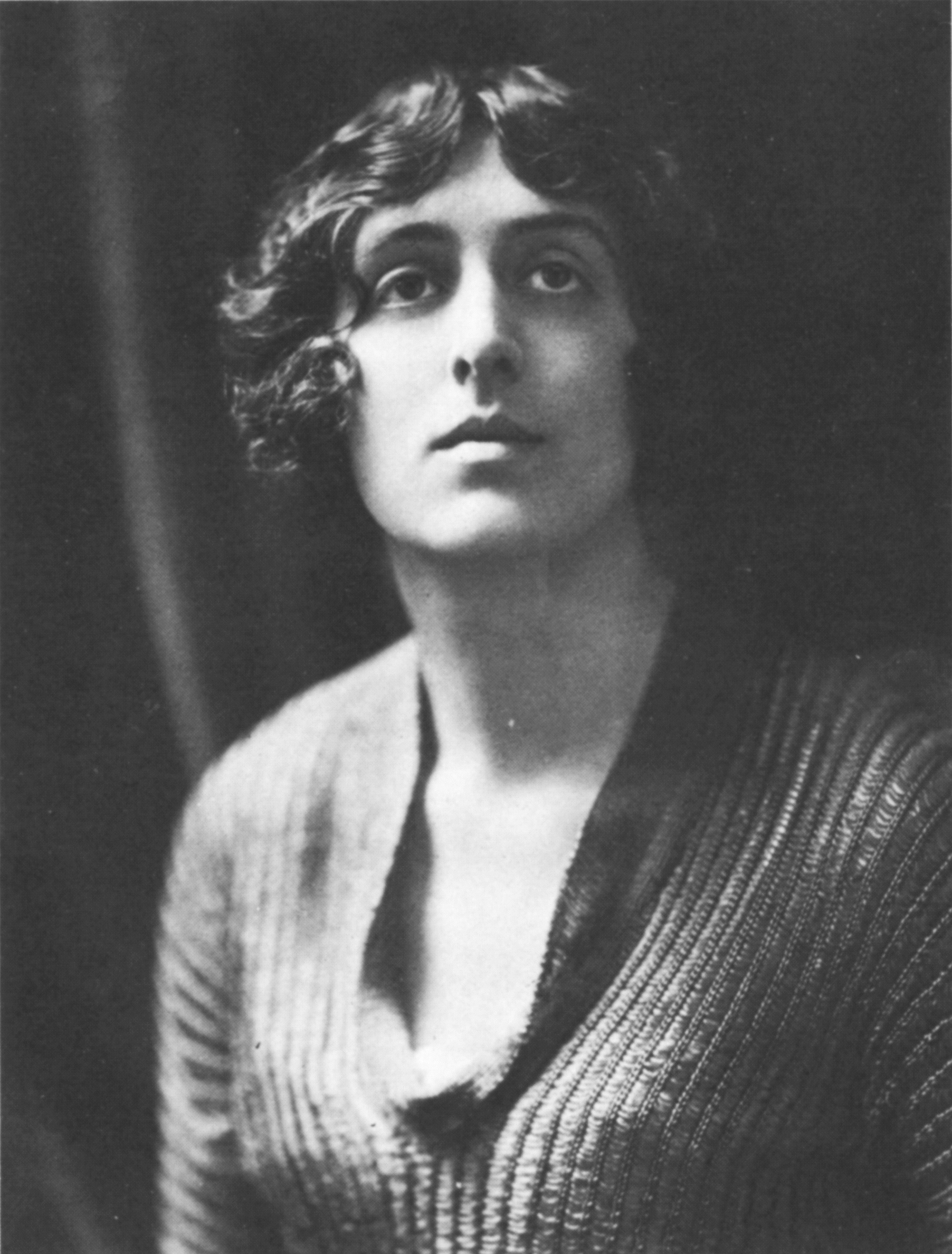
Catherine Radziwill was a Polish-Russian aristocrat and author, born into the noble House of Rzewuski. She married Prince Wilhelm Radziwiłł in 1873, which further solidified her ties to the Polish aristocracy. Radziwill was not only known for her royal lineage but also for her contributions to literature, particularly in the realm of historical fiction and memoirs. Her notable works include 'The Autobiography of a Princess' and 'The Story of a Life,' where she offered insights into the lives of the European elite and the complexities of aristocratic life during her time. Radziwill's writing is significant for its blend of personal narrative and historical context, providing a unique perspective on the social and political dynamics of 19th-century Europe. Her works often reflected the tensions between her Polish heritage and the Russian Empire, as well as the challenges faced by women in her social class. Through her literary contributions, Radziwill carved a niche for herself in a predominantly male literary landscape, leaving a legacy that highlights the intersection of nobility and literature in her era.
Famous Quotes
View all 3 quotes“They surrounded him day and night, eliminating every person likely to interfer; slandering, ridiculing and calumniating them in turns, they at last left him nothing in place of his shattered faiths and lost ideals, until Rhodes became as isolated amidst his greatness and his millions as the veriest beggar in his hovel.It was a sad sight to watch the ethical degradation of on eof the most remarkable intelligences among men of his generation; it was heartrending to him fall every day more and more into the power of unsscrupulous people who did nothing else but exploit him for their own benefit.””
“The end of all this was that Rhodes resented the truth when it was told him, and detested any who showed independence of judgement or appreciation in matters concerning his affairs and projects. A man supposed to have an iron will, yet he was weak almost to childishness in regard to these flattering satellite. It amused him to have always at beck and call people willing ready to submit to his insults, to bear with his fits of bad temper, and to accept every humiliation which he chose to offer.””
“One could not help liking him and one could not avoid hating him; and sometimes one hated him when one liked himmost””
Books from the author







Link to this page
Add a free, dofollow link to Lex on your blog, forum, syllabus, or reading list.

<a href="https://lex-books.com/author/catherine-radziwill"><img src="https://lex-books.com/badges/read-on-lex.svg" alt="Catherine Radziwill on Lex" width="160" height="40"></a>[](https://lex-books.com/author/catherine-radziwill)[url=https://lex-books.com/author/catherine-radziwill][img]https://lex-books.com/badges/read-on-lex.svg[/img][/url]Catherine Radziwill on Lex: https://lex-books.com/author/catherine-radziwill