William Miller
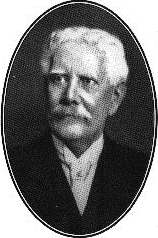
William Miller was an American Baptist preacher and the founder of the religious movement known as Millerism, which emerged in the early 19th century. Born in 1782, Miller became a significant figure in the Second Great Awakening, a period marked by religious fervor and revivalism in the United States. He gained notoriety for his interpretations of biblical prophecy, particularly the Book of Daniel, which led him to predict the Second Coming of Christ would occur in 1844. This prediction captivated many followers and sparked a widespread movement that sought to prepare for the anticipated event. Despite the disappointment that followed the failed prophecy, known as the Great Disappointment, Miller's teachings laid the groundwork for future religious movements, including the Seventh-day Adventist Church. His emphasis on personal piety and the imminent return of Christ resonated with many, influencing a generation of religious thought. Miller's legacy endures in the continued exploration of apocalyptic themes in American religion, and his life exemplifies the complexities of faith and expectation in a rapidly changing society.
Famous Quotes
View all 3 quotes“He felt at loose ends with himself like a man in a foreign city where he didn’t know the language. He felt out of his element.”
“No need to worry. The best part is, I need to travel so often.”
“Mary Elise reach across and gave his cheek a playful pinch.”
Books from the author








Link to this page
Add a free, dofollow link to Lex on your blog, forum, syllabus, or reading list.

<a href="https://lex-books.com/author/william-miller"><img src="https://lex-books.com/badges/read-on-lex.svg" alt="William Miller on Lex" width="160" height="40"></a>[](https://lex-books.com/author/william-miller)[url=https://lex-books.com/author/william-miller][img]https://lex-books.com/badges/read-on-lex.svg[/img][/url]William Miller on Lex: https://lex-books.com/author/william-miller