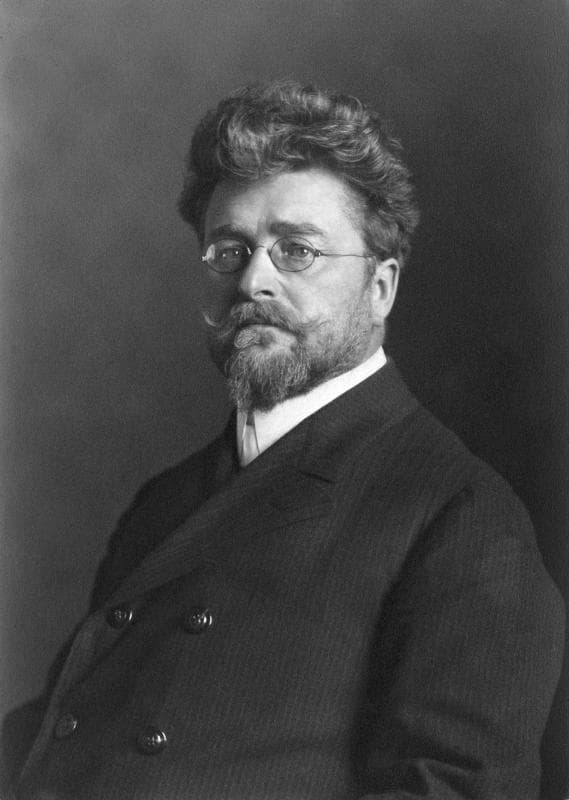
Ludwig Ganghofer
Ludwig Ganghofer was a prominent German writer known for his vivid portrayals of the Bavarian landscape and rural life. Born in 1855, he grew up in a region that greatly influenced his literary work, instilling in him a deep appreciation for nature and the traditions of his homeland. Ganghofer's novels often featured themes of love, adventure, and the struggle between modernity and tradition, making him a significant figure in German literature during his time. His most notable works include 'Der Jäger von Fall' and 'Die Wirtin von der Mühle', which showcased his ability to weave compelling narratives set against the backdrop of the Bavarian Alps. Ganghofer's impact extended beyond literature; he became the most-adapted author in the history of German cinema, with many of his novels being transformed into films that captured the imagination of audiences. His storytelling not only entertained but also contributed to the cultural identity of Bavaria, celebrating its landscapes and folklore. Despite the passage of time, Ganghofer's legacy endures through his contributions to both literature and film, reflecting the beauty and complexity of life in the Bavarian countryside.
Famous Quotes
View all 2 quotes“Kad se kod jedne tihe i blage žene očituje ljubav predanošću, nježnošću i bezgraničnim povjerenjem, zašto se kod vatrene i strastvene ženske naravi ne bi smjela očitovati nepovjerenjem, slijepim bjesnilom i nepravilnim sudom o čovjeku, koji je drag njenom srcu? Kako sam bio lud! Trebao sam slušati samo ljubav, a nipošto riječi, koje je govorila!”
“Könnt eins doch allweil ein Kind bleiben! Da ist jeder Tag ein ganzes Leben. Nachher schlafst du und fangst wieder ein neues an.”
Books from the author







Link to this page
Add a free, dofollow link to Lex on your blog, forum, syllabus, or reading list.

<a href="https://lex-books.com/author/ludwig-ganghofer"><img src="https://lex-books.com/badges/read-on-lex.svg" alt="Ludwig Ganghofer on Lex" width="160" height="40"></a>[](https://lex-books.com/author/ludwig-ganghofer)[url=https://lex-books.com/author/ludwig-ganghofer][img]https://lex-books.com/badges/read-on-lex.svg[/img][/url]Ludwig Ganghofer on Lex: https://lex-books.com/author/ludwig-ganghofer