William Martin
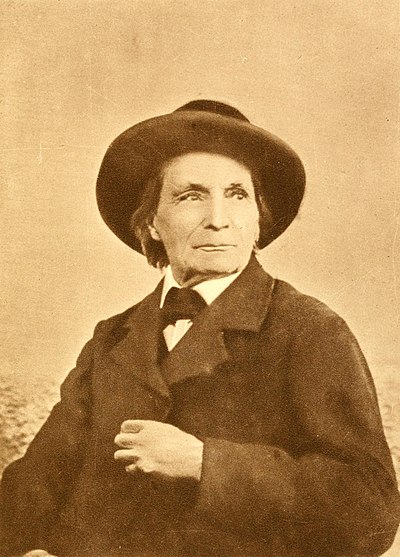
William Martin was an influential figure in the early 19th century, recognized for his contributions to literature that emphasized outdoor activities and recreation. His notable work, 'The Book of Sports,' published in 1830, served as a comprehensive guide to various outdoor sports, amusements, and recreational pursuits. This book not only highlighted the importance of physical activity and play in daily life but also reflected the growing interest in leisure and the outdoors during the Victorian era. Martin's writing encouraged readers to engage in gymnastics, gardening, and carpentry, promoting a balanced lifestyle that combined work and play. Through his work, Martin played a significant role in shaping the discourse around leisure activities in a time when industrialization was rapidly changing society. His advocacy for outdoor sports and recreation contributed to a broader cultural movement that valued physical health and community engagement. Although not as widely known today, Martin's emphasis on the importance of play and recreation laid the groundwork for future discussions on the role of leisure in personal and social well-being, making him a noteworthy figure in the literature of his time.
Famous Quotes
View all 3 quotes“Do not ask your children to strive for extraordinary lives. Such striving may seem admirable, but it is the way of foolishness. Help them instead to find the wonder and the marvel of an ordinary life. Show them the joy of tasting tomatoes, apples and pears. Show them how to cry when pets and people die. Show them the infinite pleasure in the touch of a hand. And make the ordinary come alive for them. The extraordinary will take care of itself.”
“Do you have agendas for your children that are more important than the children themselves? Lost in the shuffle of uniforms, practices, games, recitals, and performances can be the creative and joyful soul of your child. Watch and listen carefully. Do they have time to daydream? From their dreams will emerge the practices and activities that will make self-discipline as natural as breathing.”
“Don’t mistake your desire to talk for their readiness to listen. Far more important”
Books from the author



Link to this page
Add a free, dofollow link to Lex on your blog, forum, syllabus, or reading list.

<a href="https://lex-books.com/author/william-martin"><img src="https://lex-books.com/badges/read-on-lex.svg" alt="William Martin on Lex" width="160" height="40"></a>[](https://lex-books.com/author/william-martin)[url=https://lex-books.com/author/william-martin][img]https://lex-books.com/badges/read-on-lex.svg[/img][/url]William Martin on Lex: https://lex-books.com/author/william-martin