William John Hardy
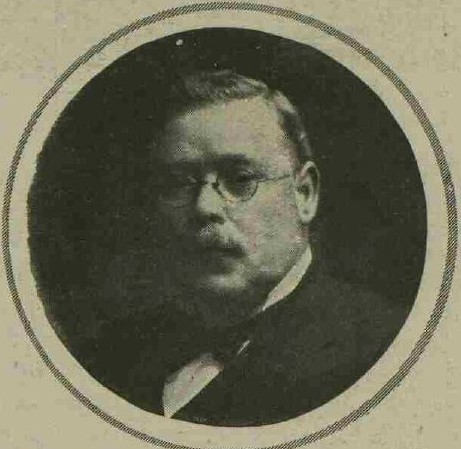
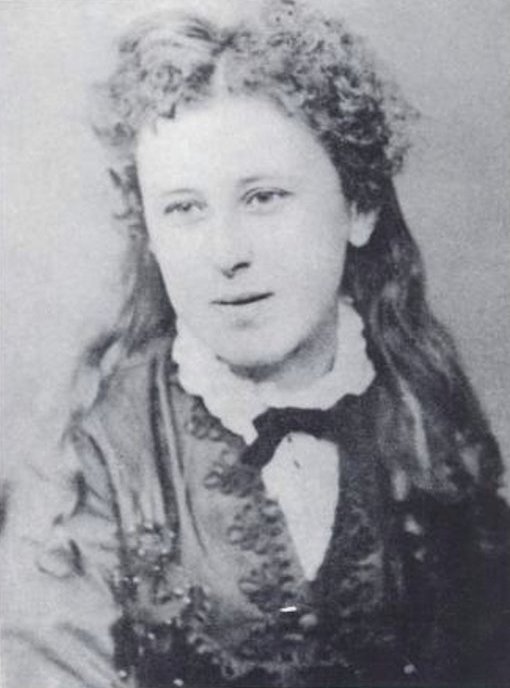
William John Hardy was an influential English archivist and antiquarian, recognized for his significant contributions to the preservation and study of historical documents. His work primarily focused on the history of Yorkshire, where he meticulously cataloged and analyzed a wealth of archival materials. Hardy's dedication to his field helped to illuminate the rich cultural heritage of the region, making it more accessible to scholars and the public alike. Among his notable works, Hardy authored 'The History of the County of York' and 'The Yorkshire Archaeological Journal,' which showcased his extensive research and passion for local history. His efforts not only advanced the field of archival science but also inspired future generations of historians and archivists. Hardy's legacy lies in his commitment to preserving the past, ensuring that the stories of Yorkshire and its people would endure for years to come.
Famous Quotes
View all 1 quotes“So began my love affair with books. Years later, as a college student, I remember having a choice between a few slices of pizza that would have held me over for a day or a copy of On the Road. I bought the book. I would have forgotten what the pizza tasted like, but I still remember Kerouac. The world was mine for the reading. I traveled with my books. I was there on a tramp steamer in the North Atlantic with the Hardy Boys, piecing together an unsolvable crime. I rode into the Valley of Death with the six hundred and I stood at the graves of Uncas and Cora and listened to the mournful song of the Lenni Linape. Although I braved a frozen death at Valley Forge and felt the spin of a hundred bullets at Shiloh, I was never afraid. I was there as much as you are where you are, right this second. I smelled the gunsmoke and tasted the frost. And it was good to be there. No one could harm me there. No one could punch me, slap me, call me stupid, or pretend I wasn’t in the room. The other kids raced through books so they could get the completion stamp on their library card. I didn’t care about that stupid completion stamp. I didn’t want to race through books. I wanted books to walk slowly through me, stop, and touch my brain and my memory. If a book couldn’t do that, it probably wasn’t a very good book. Besides, it isn’t how much you read, it’s what you read. What I learned from books, from young Ben Franklin’s anger at his brother to Anne Frank’s longing for the way her life used to be, was that I wasn’t alone in my pain. All that caused me such anguish affected others, too, and that connected me to them and that connected me to my books. I loved everything about books. I loved that odd sensation of turning the final page, realizing the story had ended, and feeling that I was saying a last goodbye to a new friend.””
Books from the author



Link to this page
Add a free, dofollow link to Lex on your blog, forum, syllabus, or reading list.

<a href="https://lex-books.com/author/william-john-hardy"><img src="https://lex-books.com/badges/read-on-lex.svg" alt="William John Hardy on Lex" width="160" height="40"></a>[](https://lex-books.com/author/william-john-hardy)[url=https://lex-books.com/author/william-john-hardy][img]https://lex-books.com/badges/read-on-lex.svg[/img][/url]William John Hardy on Lex: https://lex-books.com/author/william-john-hardy