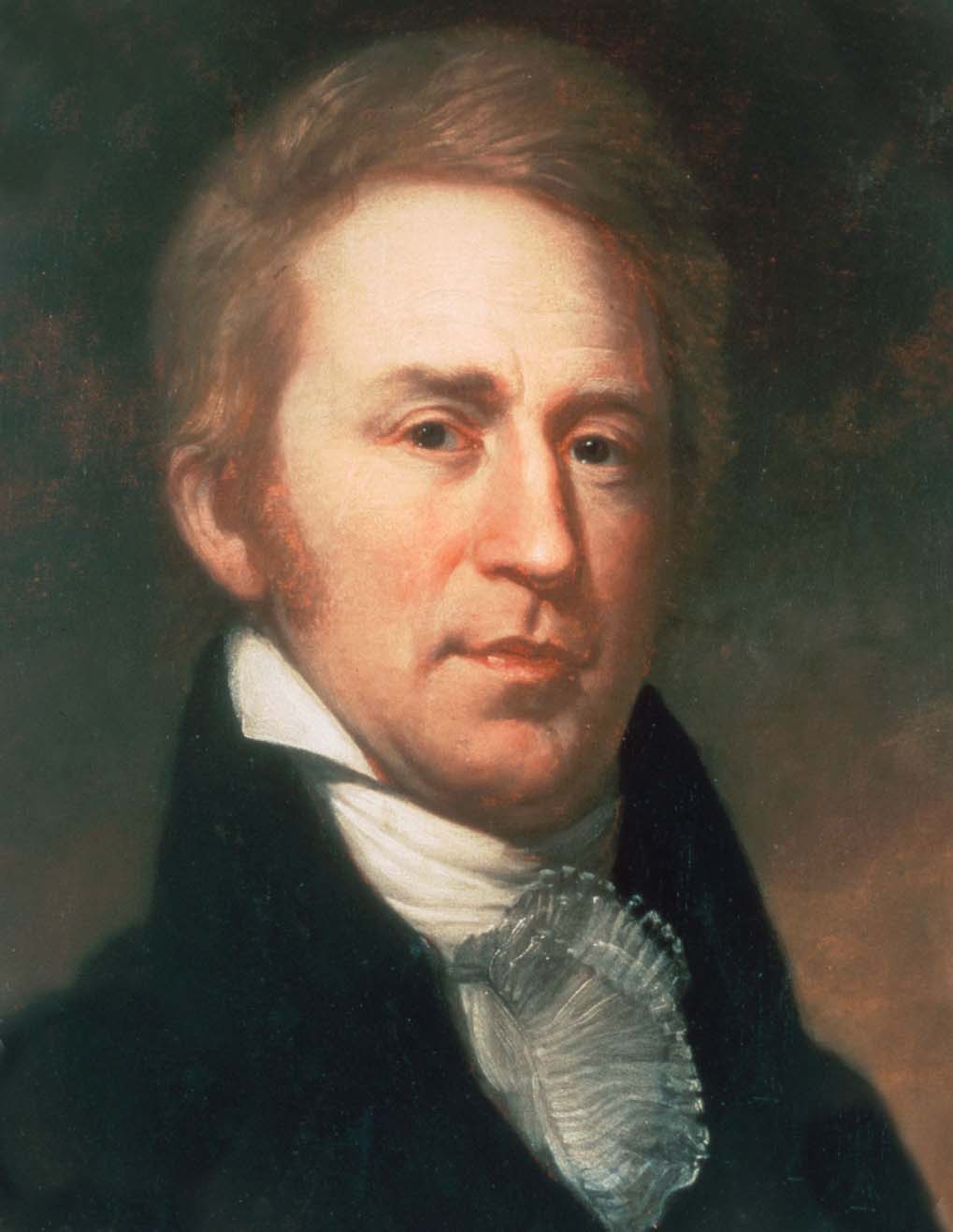
William Clark
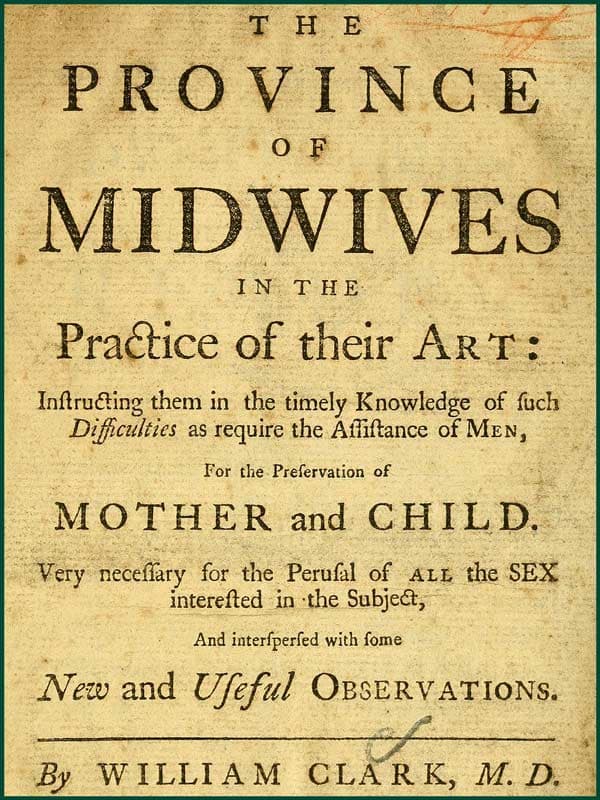
William Clark was an influential figure in the 18th century, known for his contributions to medical literature and religious discourse. He is perhaps best recognized for his work, "The Province of Midwives in the Practice of Their Art," which provided essential guidance for midwives, addressing the complexities of childbirth and the vital role of male assistance in obstetrics. This text was significant not only for its practical advice but also for its reflection of the evolving views on women's health and the profession of midwifery during a time when such topics were often shrouded in taboo. In addition to his medical writings, Clark explored theological themes, as seen in "Pascal and the Port Royalists" and "The Anglican Reformation," where he examined the intersections of faith, reason, and the historical developments within the Anglican Church. His scholarly approach contributed to the understanding of religious movements of his time, offering insights into the complexities of belief and practice in a rapidly changing society. Clark's diverse body of work illustrates his significant role in both medical and religious fields, marking him as a notable figure in the intellectual landscape of the 18th century.
Famous Quotes
View all 10 quotes“Boys, be ambitious. Be ambitious not for money, not for selfish aggrandizement, not for the evanescent thing which men call fame. Be ambitious for the attainment of all that a man can be.””
“Faith is the daring of the soul to go further than it can see.””
“Birthmarks are certainly important," he said. "They qualify a person as unique.””
Books from the author






Link to this page
Add a free, dofollow link to Lex on your blog, forum, syllabus, or reading list.

<a href="https://lex-books.com/author/william-clark"><img src="https://lex-books.com/badges/read-on-lex.svg" alt="William Clark on Lex" width="160" height="40"></a>[](https://lex-books.com/author/william-clark)[url=https://lex-books.com/author/william-clark][img]https://lex-books.com/badges/read-on-lex.svg[/img][/url]William Clark on Lex: https://lex-books.com/author/william-clark