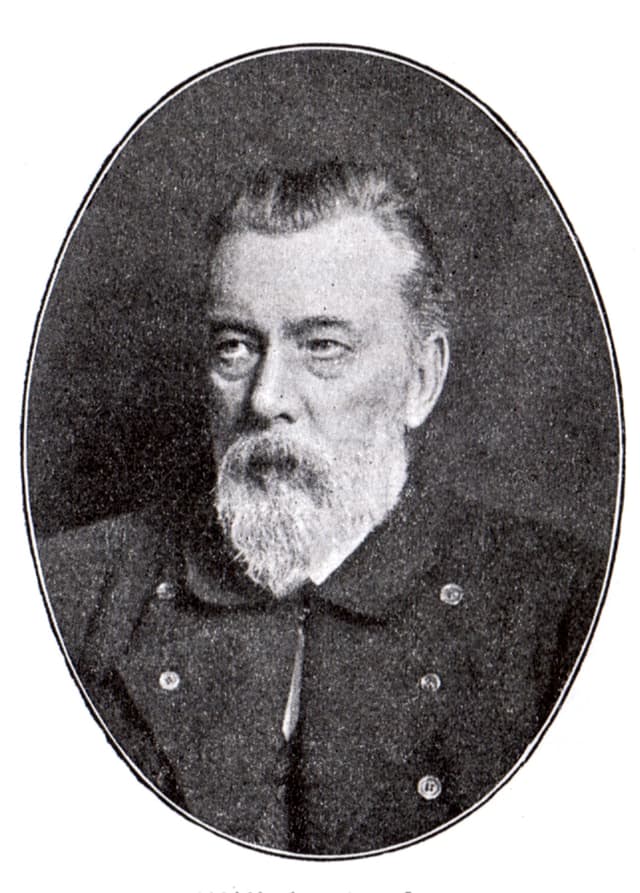
Wilhelm Jensen
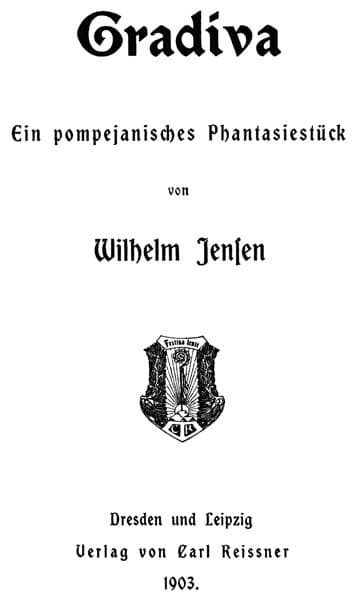
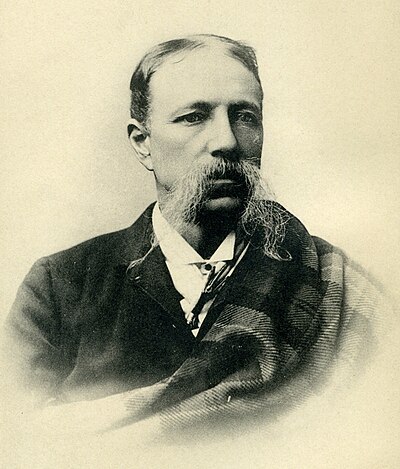
Wilhelm Jensen was a notable German writer and poet, recognized for his contributions to literature in the late 19th and early 20th centuries. Born in 1837, he initially pursued a career in law before turning to writing, where he found his true calling. Jensen's literary career was marked by a fascination with themes of identity, culture, and the human experience, which he explored through various genres, including poetry and prose. His most acclaimed work, 'Gradiva,' published in 1903, is a novella that intricately weaves together elements of psychology and art, influencing later thinkers and writers, including Sigmund Freud, who drew upon its themes in his own work on dreams and the unconscious mind. Jensen's significance lies not only in his innovative storytelling but also in his ability to capture the complexities of human emotion and the intricacies of societal norms. His exploration of the intersection between reality and imagination paved the way for future literary movements, including modernism. Despite being less well-known today, Jensen's legacy endures through his thought-provoking narratives and the impact they had on the literary landscape of his time, marking him as an important figure in German literature.
Famous Quotes
View all 3 quotesBooks from the author







Link to this page
Add a free, dofollow link to Lex on your blog, forum, syllabus, or reading list.

<a href="https://lex-books.com/author/wilhelm-jensen"><img src="https://lex-books.com/badges/read-on-lex.svg" alt="Wilhelm Jensen on Lex" width="160" height="40"></a>[](https://lex-books.com/author/wilhelm-jensen)[url=https://lex-books.com/author/wilhelm-jensen][img]https://lex-books.com/badges/read-on-lex.svg[/img][/url]Wilhelm Jensen on Lex: https://lex-books.com/author/wilhelm-jensen