
Wallace Thurman
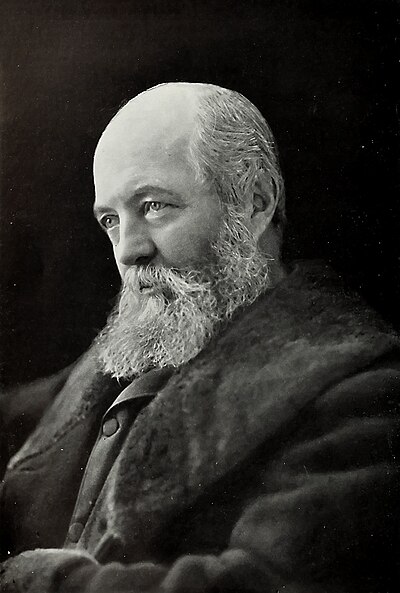
Wallace Henry Thurman was a prominent figure of the Harlem Renaissance, known for his incisive exploration of race and identity in early 20th-century America. Born in Salt Lake City, Utah, he moved to Los Angeles and later to New York City, where he became deeply involved in the vibrant cultural scene of Harlem. His literary career was marked by his first novel, The Blacker the Berry: A Novel of Negro Life (1929), which boldly addressed the complexities of colorism within the African American community, challenging societal norms that favored lighter skin. This work, along with his essays and editorial contributions, positioned him as a critical voice in discussions about race and identity during a transformative period in American literature. Thurman’s influence extended beyond his novels; he was also an editor and publisher, contributing to various literary journals and newspapers that showcased the talents of his contemporaries. His other notable works include Infants of the Spring (1932), a satirical novel that depicted the lives of artists in Harlem, and his involvement in the publication of The Messenger, a magazine that highlighted issues affecting African Americans. Despite his untimely death at the age of 32, Thurman's legacy endures as a significant contributor to the Harlem Renaissance, whose works continue to inspire discussions about race, identity, and the complexities of the African American experience.
Famous Quotes
View all 3 quotes“I am reminded again that the greatest phrase ever written is words, words, words.”
“I cannot bear to associate with the ordinary run of people. I have to surround myself with individuals who for the most part are more than a trifle insane”
“It was the way of Emma Lou always to create her worlds within her own mind without taking under consideration the fact that other people and other elements, not contained within herself, would also have to aid in their molding.”
Books from the author





Link to this page
Add a free, dofollow link to Lex on your blog, forum, syllabus, or reading list.

<a href="https://lex-books.com/author/wallace-thurman"><img src="https://lex-books.com/badges/read-on-lex.svg" alt="Wallace Thurman on Lex" width="160" height="40"></a>[](https://lex-books.com/author/wallace-thurman)[url=https://lex-books.com/author/wallace-thurman][img]https://lex-books.com/badges/read-on-lex.svg[/img][/url]Wallace Thurman on Lex: https://lex-books.com/author/wallace-thurman