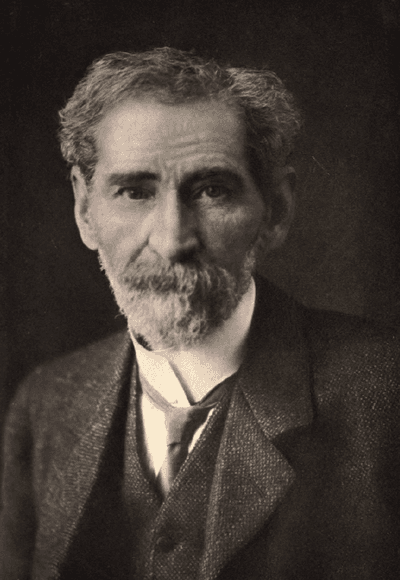
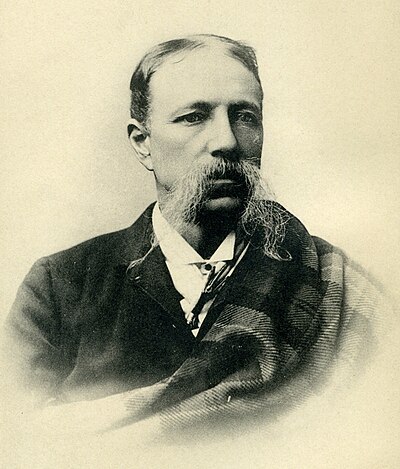
W. H. Hudson
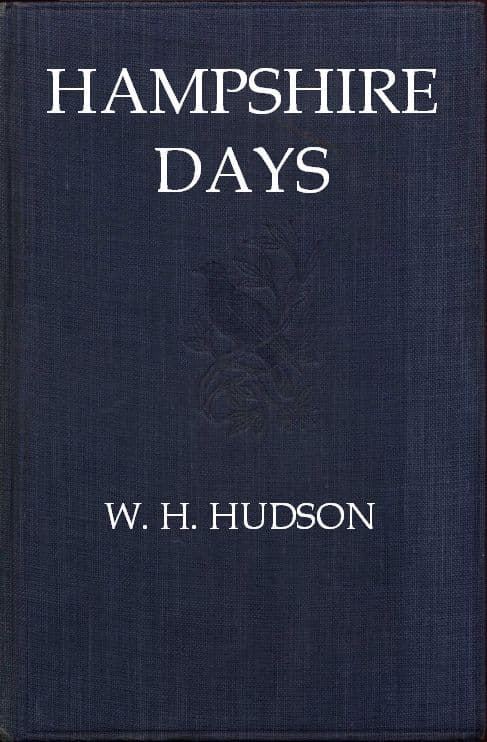
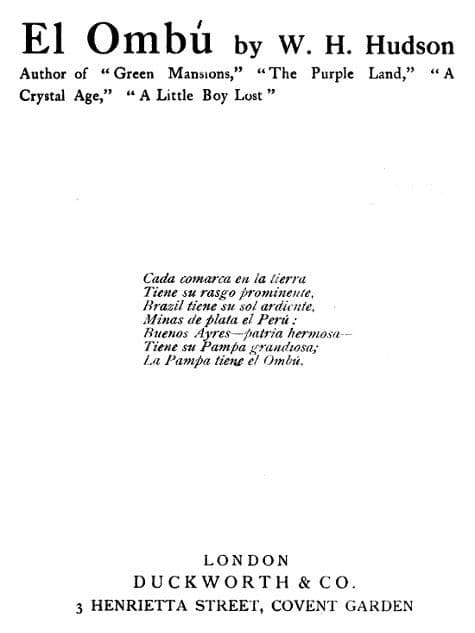
W. H. Hudson was an influential writer and naturalist, known for his vivid portrayals of nature and his deep appreciation for the environment. Born in Argentina to English parents, Hudson spent his early years immersed in the rich biodiversity of the Pampas, experiences that profoundly shaped his literary voice. His works often reflect a blend of personal narrative and natural observation, as seen in 'The Naturalist in La Plata,' where he documents the flora and fauna of South America with both scientific insight and poetic flair. Hudson's love for nature also permeates 'A Shepherd's Life: Impressions of the South Wiltshire Downs,' which captures the pastoral beauty of the English countryside and the lives of its inhabitants. Among his most notable works is 'Green Mansions: A Romance of the Tropical Forest,' a novel that intertwines romance with themes of ecological awareness, showcasing Hudson's ability to blend fiction with his passion for natural history. His writings, including 'Birds and Man' and 'Birds in Town & Village,' reflect his lifelong fascination with avian life and serve as early examples of nature writing that emphasize the relationship between humans and wildlife. Hudson's legacy lies in his pioneering contributions to both literature and naturalism, influencing future generations of writers and naturalists alike, and his works continue to resonate with readers who appreciate the beauty and complexity of the natural world.
Famous Quotes
View all 5 quotes“Have you ever observed a humming-bird moving about in an aerial dance among the flowers--a living prismatic gem that changes its colour with every change of position.””
“Look into my eyes, and you will see me there--all, all that is in my heart.' 'Oh, I know what I should see there!'...'What would you see? Tell me?' 'There is a little black ball in the middle of your eye; I should see myself in it no bigger than that,' and she marked off about an eighth of her little finger-nail. 'There is a pool in the wood, and I look down and see myself there. That is better. Just as large as I am--not small and black like a small, small fly.””
“When a person endeavours to recall his early life in its entirety he finds it is not possible: he is like one who ascends a hill to survey the prospect before him on a day of heavy cloud and shadow, who sees at a distance, now here, now there, some feautre in the landscape - hill or wood or tower or spire - touched and made conspicuous by a transitory sunbeam while all else remains in obscurity. The scenes, people, events we are able by an effort to call up do not present themselves in order; ther is no order, no sequence or regular progression - nothing, in fact, but isolated spots or patches, brightly illumined and vividly seen, in the midst of a wide shrouded mental landscape.It is easy to fall into the delusion that the few things thus distinctly remembered and visualized are precisely those which were most important in our life, and on that account were saved by memory while all the rest has been permanently blotted out. That is indeed how our memory serves and fools us; for at some period of a man's life - at all events of some lives - in some rare state of the mind, it is all at once revealed to him as by a miracle that nothing is ever blotted out.””
Books from the author

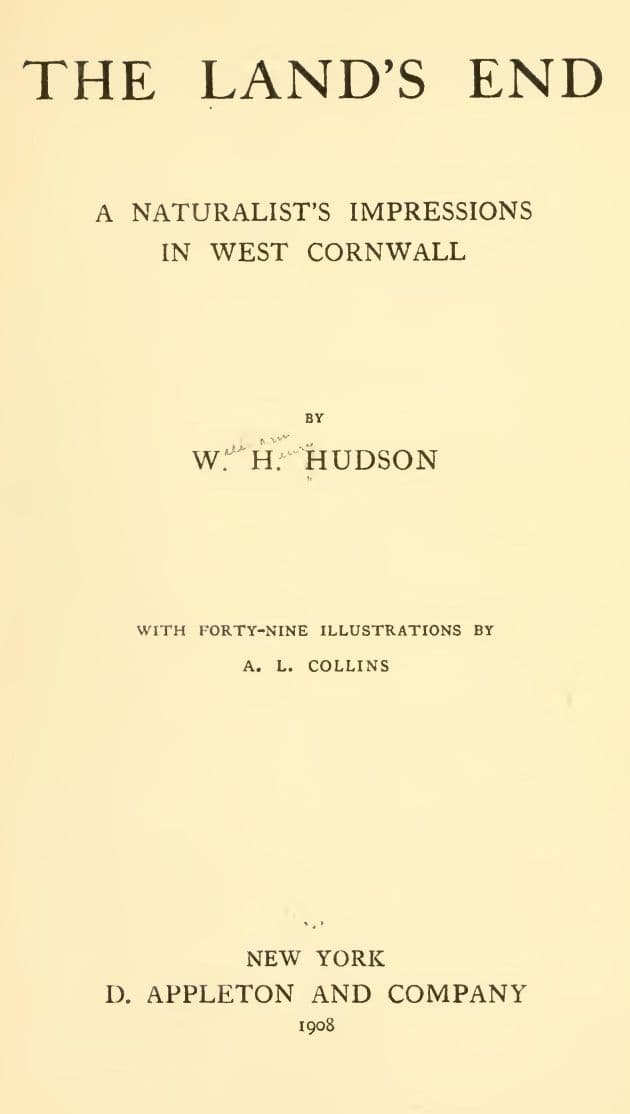
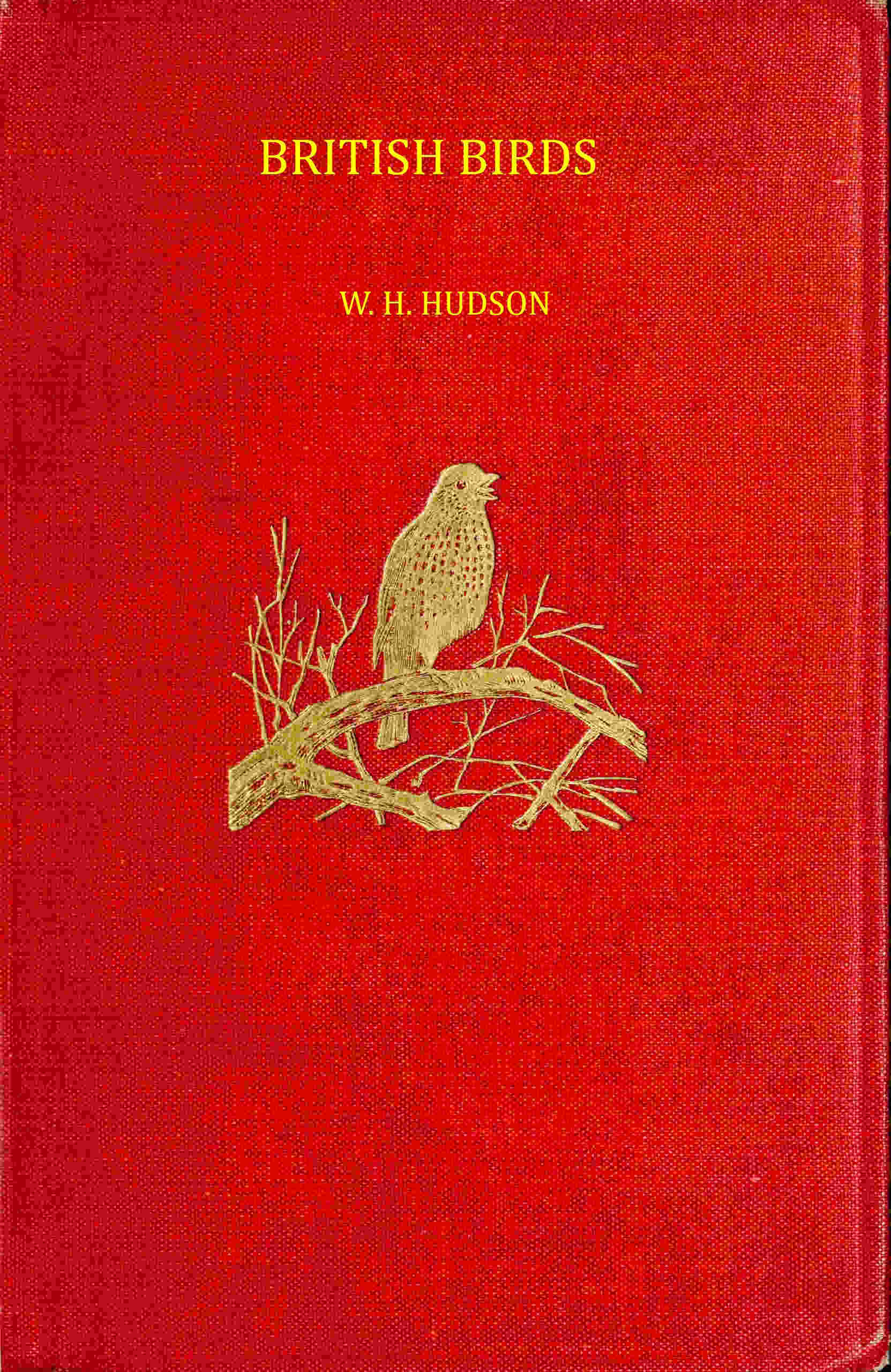
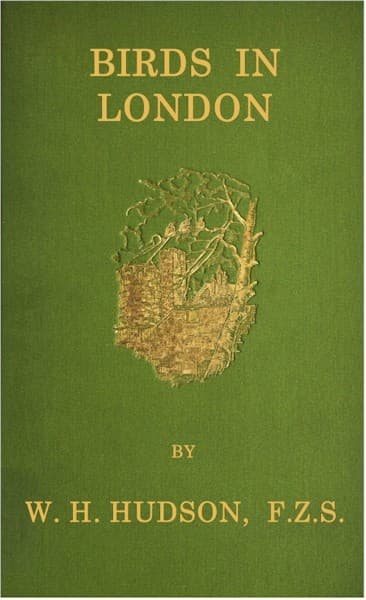


Link to this page
Add a free, dofollow link to Lex on your blog, forum, syllabus, or reading list.

<a href="https://lex-books.com/author/w-h-hudson"><img src="https://lex-books.com/badges/read-on-lex.svg" alt="W. H. Hudson on Lex" width="160" height="40"></a>[](https://lex-books.com/author/w-h-hudson)[url=https://lex-books.com/author/w-h-hudson][img]https://lex-books.com/badges/read-on-lex.svg[/img][/url]W. H. Hudson on Lex: https://lex-books.com/author/w-h-hudson