British Birds
1895
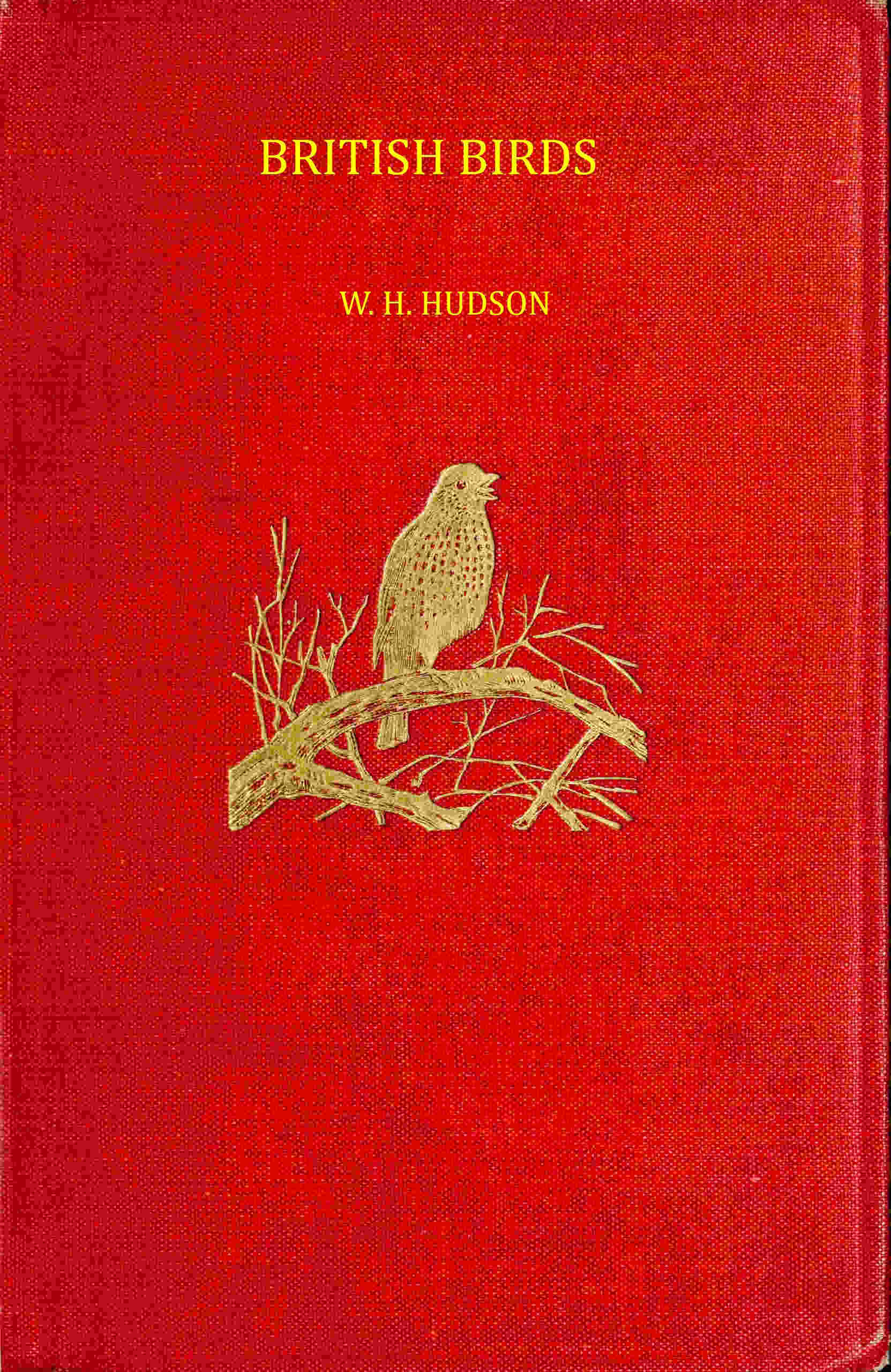
W.H. Hudson arrived in England in 1874, a penniless immigrant from the Argentine Pampas with nothing but a restless curiosity about the natural world. British Birds, published in 1895, represents the culmination of decades of meticulous observation, Hudson had been watching birds since childhood on the South American plains. What emerges is neither dry ornithology nor sentimental nature writing, but something rarer: a book that renders the mechanics of flight, the architecture of bone and sinew, through the eyes of someone who genuinely marvels at what he sees. Hudson dissects the anatomy of British birds with scientific precision, yet every observation carries the weight of wonder. He writes about swifts and swallows not as specimens to be catalogued but as miracles of adaptation, creatures whose every feather embodies millions of years of evolutionary refinement. The book bridges two worlds: the rigorous anatomical study popular in late Victorian science and the romantic impulse to find meaning in wild creatures. For readers who have ever watched a bird and wanted to understand not just what it is but how it lives, this remains a luminous guide.
Editions
Link to this book
Add a free, dofollow link to Lex on your blog, forum, syllabus, or reading list.

<a href="https://lex-books.com/book/british-birds-43e01037-003d-4998-8adf-f3d148c4b0a6"><img src="https://lex-books.com/badges/read-on-lex.svg" alt="Read British Birds by W. H. Hudson free on Lex" width="160" height="40"></a>[](https://lex-books.com/book/british-birds-43e01037-003d-4998-8adf-f3d148c4b0a6)[url=https://lex-books.com/book/british-birds-43e01037-003d-4998-8adf-f3d148c4b0a6][img]https://lex-books.com/badges/read-on-lex.svg[/img][/url]Read British Birds by W. H. Hudson free on Lex: https://lex-books.com/book/british-birds-43e01037-003d-4998-8adf-f3d148c4b0a6Cite this book
Reading this edition for a paper or guide? Copy a citation.
Hudson, W. H.. British Birds. Lex, lex-books.com/book/british-birds-43e01037-003d-4998-8adf-f3d148c4b0a6.Hudson, W. H. (1895). British Birds. Lex. https://lex-books.com/book/british-birds-43e01037-003d-4998-8adf-f3d148c4b0a6Hudson, W. H.. British Birds. Lex. https://lex-books.com/book/british-birds-43e01037-003d-4998-8adf-f3d148c4b0a6.