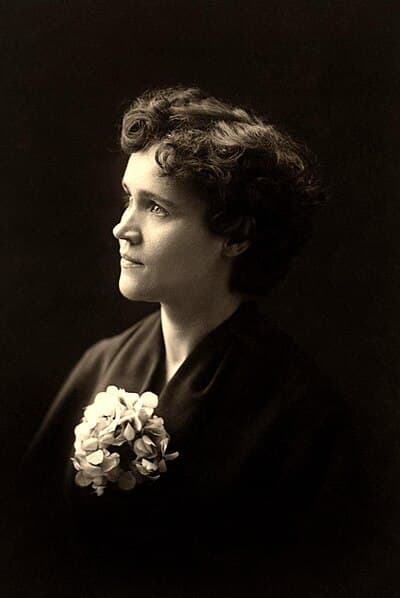
Voltairine De Cleyre
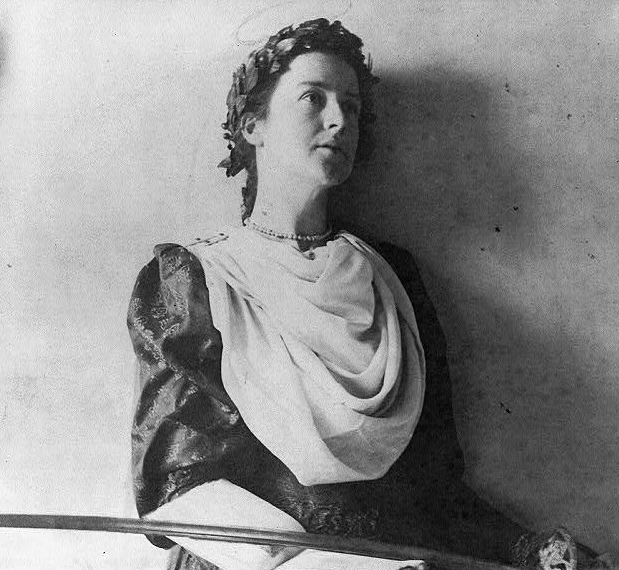
Voltairine de Cleyre was a prominent American anarchist feminist writer and public speaker known for her passionate advocacy of individual freedom and social justice. Born into poverty in Michigan, she taught herself to read and write, developing a love for poetry that would later inform her writing. Her education at a Catholic convent enhanced her linguistic skills but also sparked her anti-theistic and anti-authoritarian beliefs. De Cleyre initially engaged with the freethought movement, where she began lecturing and contributing to rationalist publications. The Haymarket affair profoundly influenced her political views, leading her to embrace anarchism as a response to state oppression and capitalism. Settling in Philadelphia, de Cleyre became a key figure in the American anarchist movement, known for her eloquent speeches and writings that challenged societal norms. She mentored many Jewish anarchists and was instrumental in organizing various anarchist groups. Her ideas were further shaped by her interactions with Spanish anarchists during a lecture tour in the United Kingdom, which led her to adopt the philosophy of anarchism without adjectives. De Cleyre's legacy endures as a pioneering voice for women's rights and individual liberty, and her works continue to inspire contemporary discussions on anarchism and feminism.
Famous Quotes
View all 3 quotes“I die, as I have lived, a free spirit, an Anarchist, owing no allegiance to rulers, heavenly or earthly.”
“If this is the price to be paid for an idea, then let us pay. There is no need of being troubled about it, afraid, or ashamed. This is the time to boldly say, “Yes, I believe in the displacement of this system of injustice by a just one; I believe in the end of starvation, exposure, and the crimes caused by them; I believe in the human soul regnant over all laws which man has made or will make; I believe there is no peace now, and there will never be peace, so long as one rules over another; I believe in the total disintegration and dissolution of the principle and practice of authority; I am an Anarchist, and if for this you condemn me, I stand ready to receive your condemnation.”
“Anarchism, to me, means not only the denial of authority, not only a new economy, but a revision of the principles of morality. It means the development of the individual as well as the assertion of the individual. It means self-responsibility, and not leader worship.”
Books from the author






Link to this page
Add a free, dofollow link to Lex on your blog, forum, syllabus, or reading list.

<a href="https://lex-books.com/author/voltairine-de-cleyre"><img src="https://lex-books.com/badges/read-on-lex.svg" alt="Voltairine De Cleyre on Lex" width="160" height="40"></a>[](https://lex-books.com/author/voltairine-de-cleyre)[url=https://lex-books.com/author/voltairine-de-cleyre][img]https://lex-books.com/badges/read-on-lex.svg[/img][/url]Voltairine De Cleyre on Lex: https://lex-books.com/author/voltairine-de-cleyre