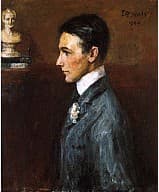
Van Wyck Brooks
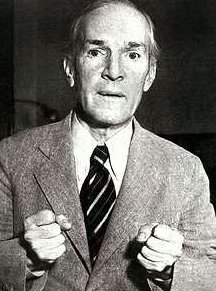
Van Wyck Brooks was an influential American literary critic, biographer, and historian known for his insightful analysis of American literature and culture. He emerged as a prominent figure in the early 20th century, advocating for a distinct American literary identity. His notable works include 'The Flowering of New England,' which examined the contributions of New England writers to American literature, and 'New England: Indian Summer,' a critical exploration of the region's cultural evolution. Brooks's writings often emphasized the importance of understanding the historical and social contexts that shaped literary works, making him a pivotal figure in the development of American literary criticism. Brooks's legacy is marked by his role in the establishment of the American literary canon and his efforts to promote the works of contemporary American authors. He was a key member of the literary movement known as the 'New Humanism,' which sought to reconnect literature with the broader human experience. His critiques and biographical studies not only illuminated the lives of writers but also contributed to a deeper appreciation of the American literary landscape. Through his work, Brooks helped to foster a greater understanding of the complexities of American identity and culture, leaving a lasting impact on literary scholarship and criticism.
Famous Quotes
View all 3 quotes“No man should ever publish a book until he has first read it to a woman.”
“All praise to winter, then, was Henry's feeling. Let others have their sultry luxuries. How full of creative genius was the air in which these snow-crystals were generated. He could hardly have marveled more if real stars had fallen and lodged on his coat. What a world to live in, where myriads of these little discs, so beautiful to the most prying eye, were whirled down on every traveler's coat, on the restless squirrel's fur and on the far-stretching fields and forests, the wooded dells and mountain-tops,--these glorious spangles, the sweepings of heaven's floor.”
“Never forget that it is we New Yorkers and New Englanders who have the monopoly of whatever oxygen there is in the American continent.”
Books from the author

Link to this page
Add a free, dofollow link to Lex on your blog, forum, syllabus, or reading list.

<a href="https://lex-books.com/author/van-wyck-brooks"><img src="https://lex-books.com/badges/read-on-lex.svg" alt="Van Wyck Brooks on Lex" width="160" height="40"></a>[](https://lex-books.com/author/van-wyck-brooks)[url=https://lex-books.com/author/van-wyck-brooks][img]https://lex-books.com/badges/read-on-lex.svg[/img][/url]Van Wyck Brooks on Lex: https://lex-books.com/author/van-wyck-brooks