Lex

Browse

GenresShelvesPremiumBlog

Company

AboutJobsPartnersSell on LexAffiliates

Audio

Lex StudioVoicesFirst chapter freeAudiobook pricingAudiobook samplesAudiobook guidesAudio blog

Resources

DocsInvite FriendsFAQ

Legal

Terms of ServicePrivacy Policygeneral@lex-books.com+1 951-551-2243WhatsApp (international)

© 2026 LexBooks, Inc. All rights reserved.

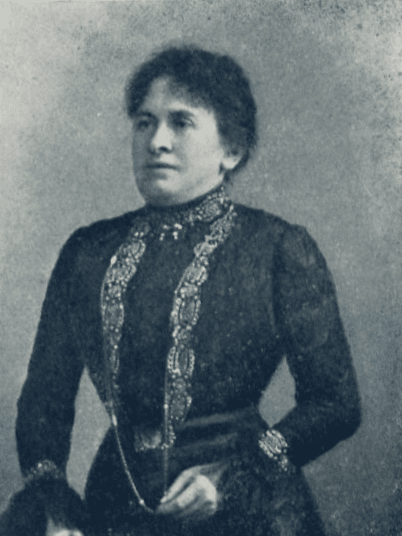
Ulrich Frank

Ulrich Frank

Famous Quotes

View all 1 quotes

“Literary Fiction and RealityTowards the beginning of his novel The Man Without Qualities, Robert Musil announces that 'no serious attempt will be made to... enter into competition with reality.' And yet it is an element in the situation he cannot ignore. How good it would be, he suggests, if one could find in life ' the simplicity inherent in narrative order. 'This is the simple order that consists in being able to say: "When that had happened, then this happened." What puts our mind at rest is the simple sequence, the overwhelming variegation of life now represented in, as a mathematician would say, a unidimensional order.' We like the illusions of this sequence, its acceptable appearance of causality: 'it has the look of necessity.' But the look is illusory; Musil's hero Ulrich has 'lost this elementary narrative element' and so has Musil. The Man Without Qualities is multidimensional, fragmentary, without the possibility of a narrative end. Why could he not have his narrative order? Because 'everything has now become nonnarrative.' The illusion would be too gross and absurd.Musil belonged to the great epoch of experiment; after Joyce and Proust, though perhaps a long way after, he is the novelist of early modernism. And as you see he was prepared to spend most of his life struggling with the problems created by the divergence of comfortable story and the non-narrative contingencies of modern reality. Even in the earlier stories he concerned himself with this disagreeable but necessary dissociation; in his big novel he tries to create a new genre in which, by all manner of dazzling devices and metaphors and stratagems, fiction and reality can be brought together again. He fails; but the point is that he had to try, a sceptic to the point of mysticism and caught in a world in which, as one of his early characters notices, no curtain descends to conceal 'the bleak matter-of-factness of things.””

The Sense of an Ending: Studies in the Theory of Fiction

Books from the author

right arrow

SimonEichelkatz;ThePatriarch...

Ulrich Frank

Simon Eichelkatz; The Patriarch. Two Stories of Jewish Life

More authors like this

right arrow
Charles Egbert Craddock
1850-1922
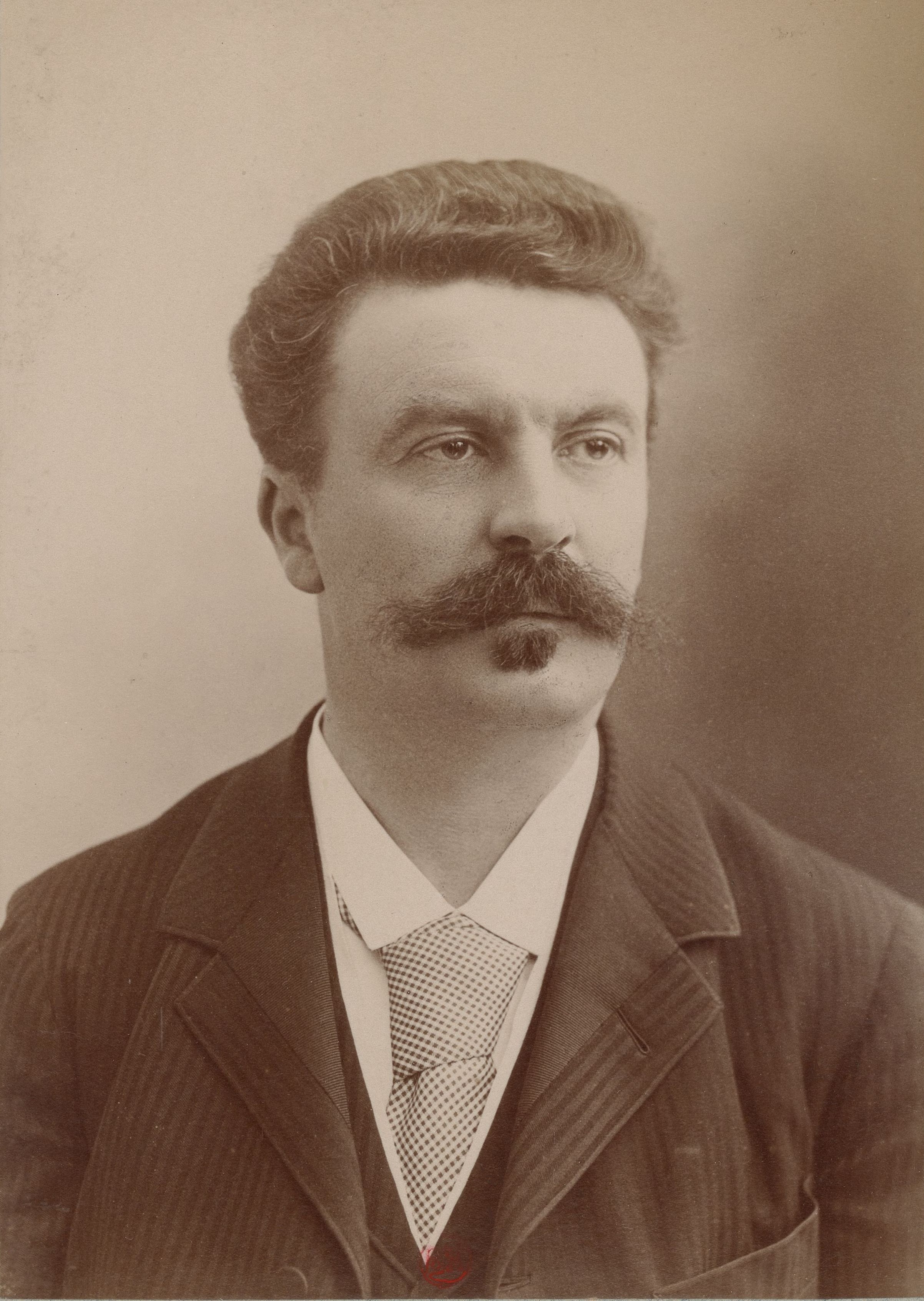
Guy de Maupassant
Guy de Maupassant
1850-1893
Laura Elizabeth Howe Richards
1850-1943
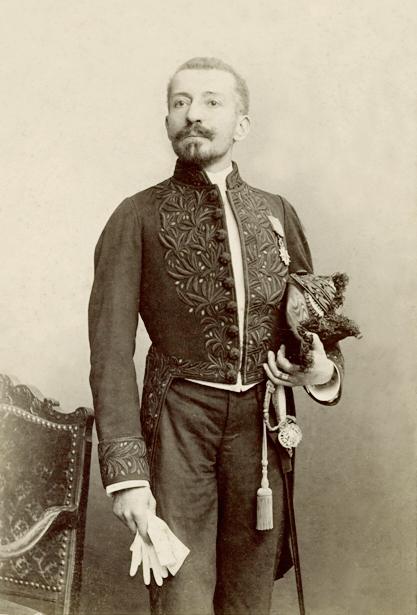
Pierre Loti
Pierre Loti
1850-1923
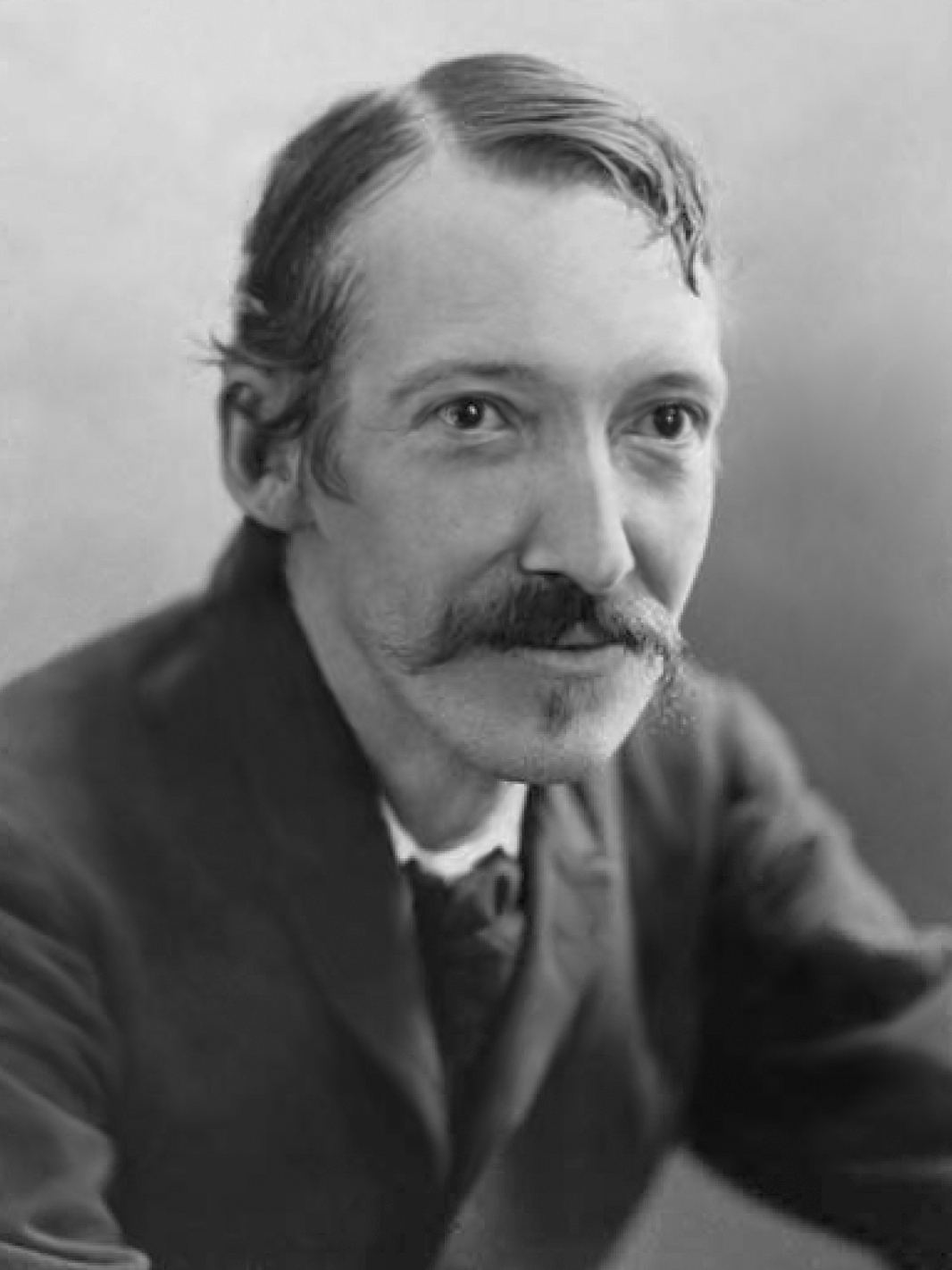
Robert Louis Stevenson
1850-1894
Harry Collingwood
Harry Collingwood
1851-1922
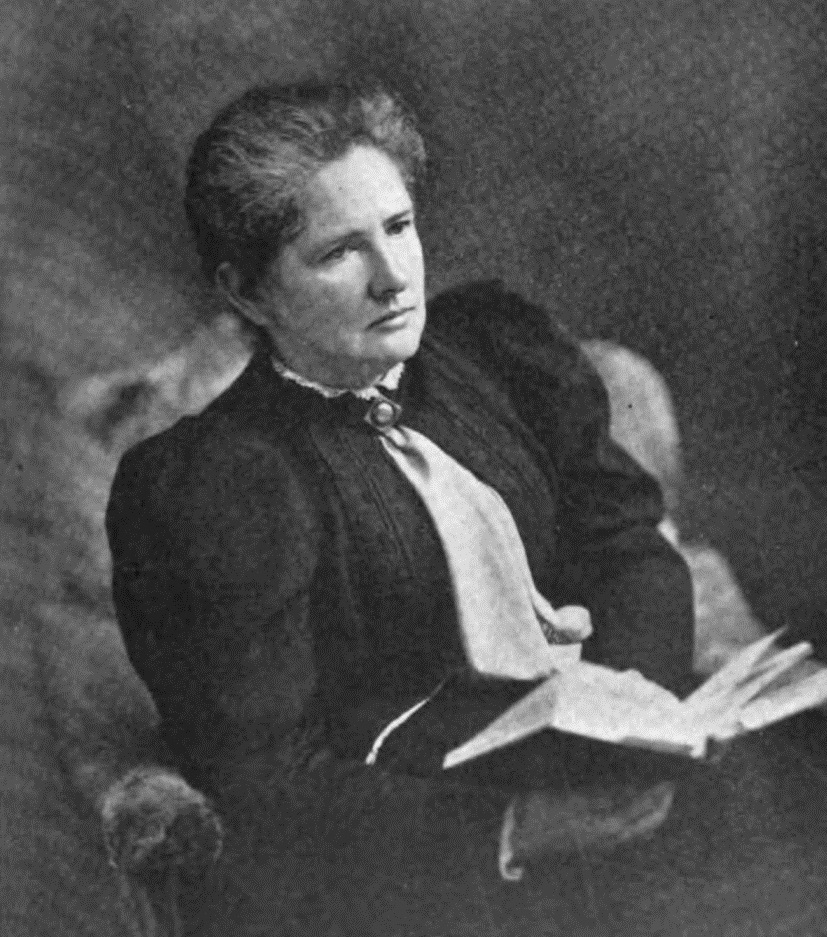
Mrs. Humphry Ward
Mrs. Humphry Ward
1851-1920
Henry Van Dyke
Henry Van Dyke
1852-1933
F. Marion Crawford
F. Marion Crawford
1854-1909
L. T. Meade
L. T. Meade
1854-1914
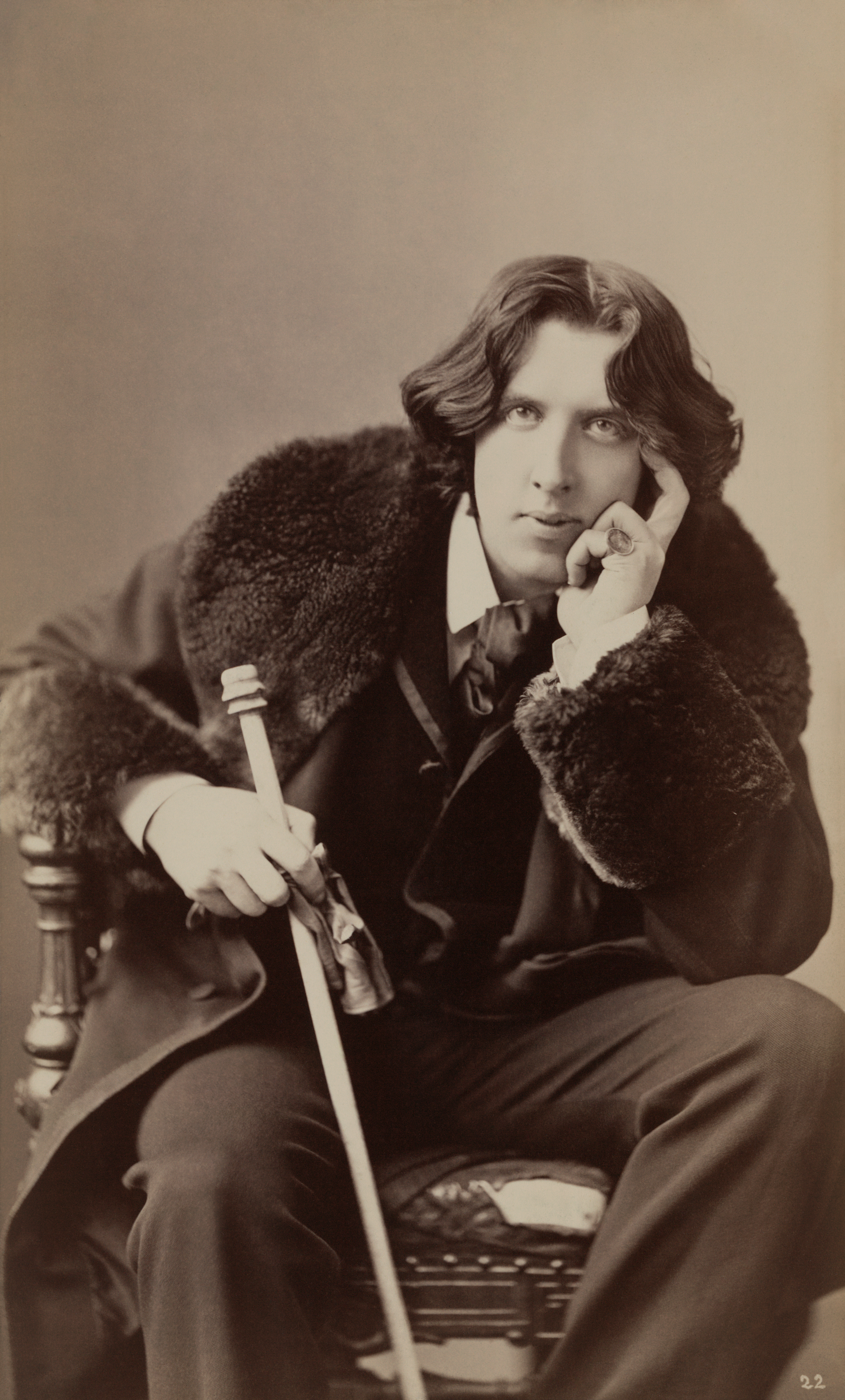
Oscar Wilde
Oscar Wilde
1854-1900
Louis Becke
Louis Becke
1855-1913
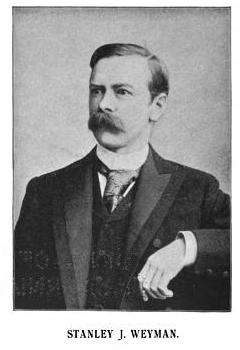
Stanley John Weyman
Stanley John Weyman
1855-1928
Amy Ella Blanchard
Amy Ella Blanchard
1856-1926
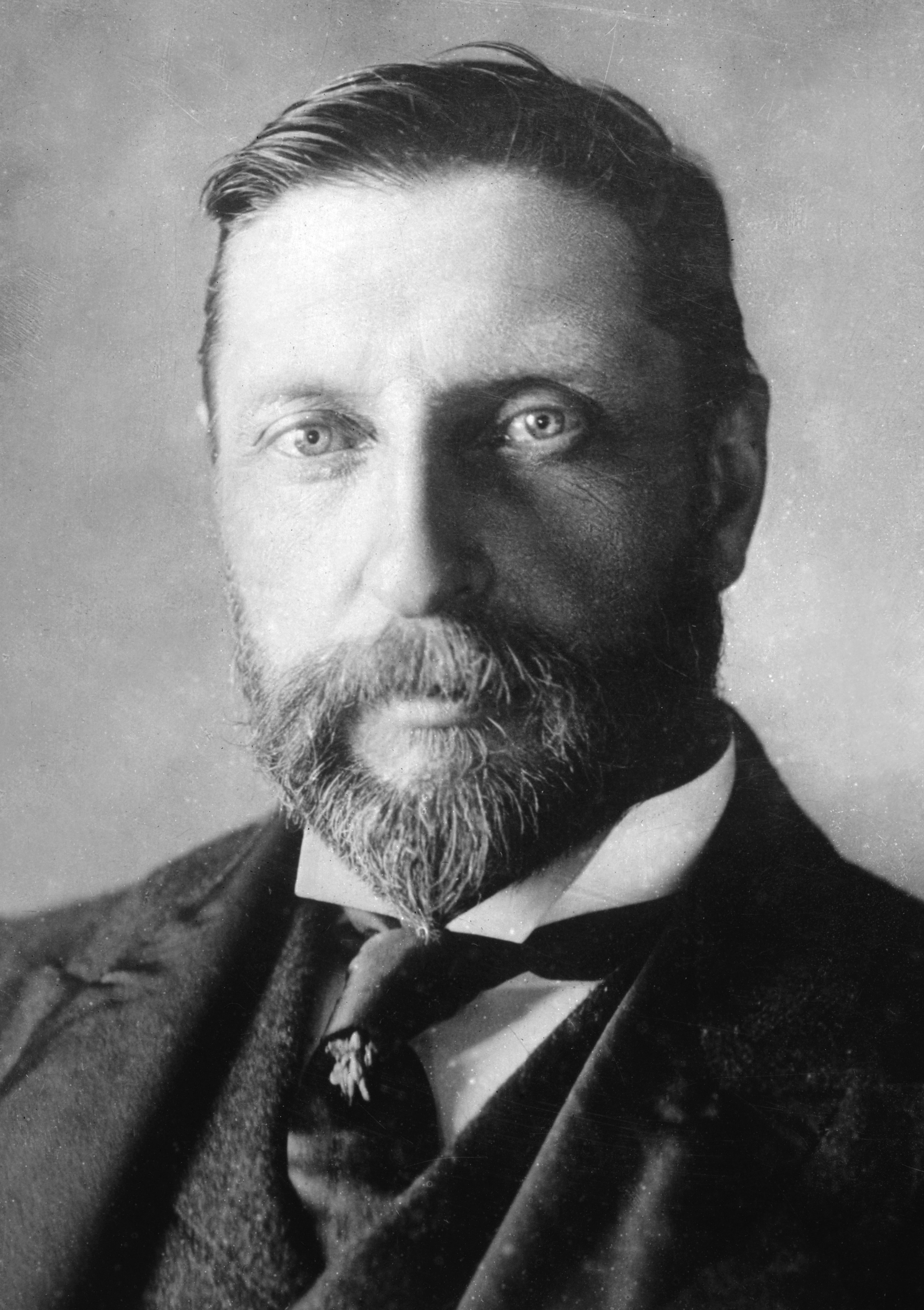
H. Rider Haggard
H. Rider Haggard
1856-1925
Kate Douglas Smith Wiggin
1856-1923

Link to this page

Add a free, dofollow link to Lex on your blog, forum, syllabus, or reading list.

Ulrich Frank on Lex
HTML
<a href="https://lex-books.com/author/ulrich-frank"><img src="https://lex-books.com/badges/read-on-lex.svg" alt="Ulrich Frank on Lex" width="160" height="40"></a>
Markdown
[![Ulrich Frank on Lex](https://lex-books.com/badges/read-on-lex.svg)](https://lex-books.com/author/ulrich-frank)
BBCode
[url=https://lex-books.com/author/ulrich-frank][img]https://lex-books.com/badges/read-on-lex.svg[/img][/url]
Plain link
Ulrich Frank on Lex: https://lex-books.com/author/ulrich-frank