Thomas E. Taylor
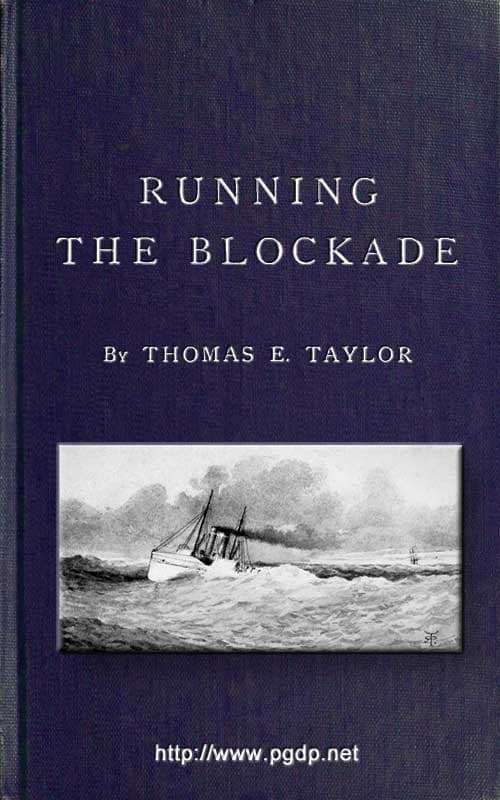
Thomas E. Taylor was an American author and a notable figure during the American Civil War, recognized for his firsthand accounts of the tumultuous period. His most significant work, 'Running the Blockade: A Personal Narrative of Adventures, Risks, and Escapes During the American Civil War,' offers a vivid portrayal of his experiences as he navigated the dangers of blockading efforts. Taylor's narrative is not only a personal memoir but also serves as a historical document that sheds light on the complexities and perils faced by those involved in the conflict, particularly in relation to naval operations and the blockade of Southern ports. Through his writing, Taylor provided readers with an intimate glimpse into the life of a soldier and the broader implications of war on society. His ability to convey the tension and uncertainty of the time helped to illuminate the human experience behind military strategy and political decisions. Taylor's contributions to Civil War literature remain significant, as they encapsulate the spirit of resilience and adventure that characterized the era, making his works essential for understanding the personal narratives that shaped American history.
Famous Quotes
View all 3 quotes“A perseverative interest is an interest so powerful that it consumes most of an autistic's thoughts. Some interests can seem quite bizarre to people who are not autistic (e.g. safety pins, doorknobs, a specific kind of bug). Some autistics have interests that distract them to such a degree that they may not be able to focus on other things that require their attention. These””
“Descartes had his famous cogito ergo sum; but Thomas had added to it with his “Since I doubt, I think; since I think, I exist.” Well, I was certainly full of doubt. Doubt implied self-awareness, and a concern for one’s future. So I was a conscious entity, barring evidence to the contrary. One down.””
“For that matter, Descartes had his famous cogito ergo sum; but Thomas had added to it with his “Since I doubt, I think; since I think, I exist.” Well, I was certainly full of doubt. Doubt implied self-awareness, and a concern for one’s future. So I was a conscious entity, barring evidence to the contrary.””
Books from the author



Link to this page
Add a free, dofollow link to Lex on your blog, forum, syllabus, or reading list.

<a href="https://lex-books.com/author/thomas-e-taylor"><img src="https://lex-books.com/badges/read-on-lex.svg" alt="Thomas E. Taylor on Lex" width="160" height="40"></a>[](https://lex-books.com/author/thomas-e-taylor)[url=https://lex-books.com/author/thomas-e-taylor][img]https://lex-books.com/badges/read-on-lex.svg[/img][/url]Thomas E. Taylor on Lex: https://lex-books.com/author/thomas-e-taylor