Thomas Carr Howe
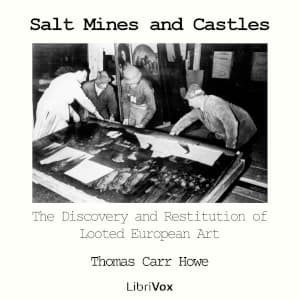
Thomas Carr Howe was an American art historian and museum director renowned for his contributions to the field of art restitution. He served as the director of the Indianapolis Museum of Art and was instrumental in the recovery of looted art during and after World War II. His notable work, "Salt Mines and Castles: The Discovery and Restitution of Looted European Art," explores the complex issues surrounding the return of artworks stolen by the Nazis, shedding light on the moral and legal challenges involved in art restitution. Howe's scholarship not only documented the plight of looted art but also advocated for ethical practices in the art world, influencing policies on cultural heritage and restitution. Howe's legacy is marked by his commitment to preserving art history and advocating for justice in the art community. His work has had a lasting impact on how institutions address the restitution of stolen art, making him a significant figure in the discourse surrounding cultural property and ethics. Through his writings and leadership, Howe helped to shape the conversation around the importance of returning art to its rightful owners, ensuring that the stories behind these works are not forgotten.




Link to this page
Add a free, dofollow link to Lex on your blog, forum, syllabus, or reading list.

<a href="https://lex-books.com/author/thomas-carr-howe"><img src="https://lex-books.com/badges/read-on-lex.svg" alt="Thomas Carr Howe on Lex" width="160" height="40"></a>[](https://lex-books.com/author/thomas-carr-howe)[url=https://lex-books.com/author/thomas-carr-howe][img]https://lex-books.com/badges/read-on-lex.svg[/img][/url]Thomas Carr Howe on Lex: https://lex-books.com/author/thomas-carr-howe