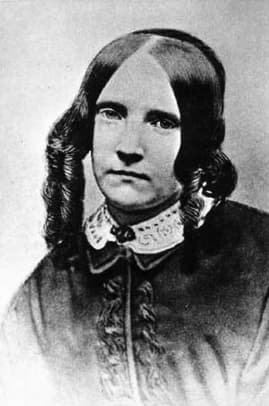
Susan Fenimore Cooper
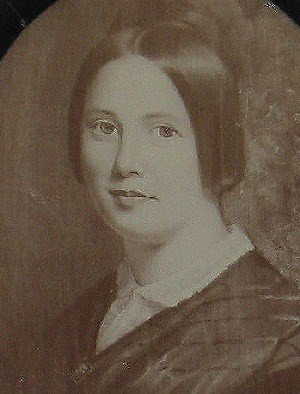
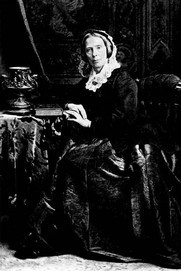
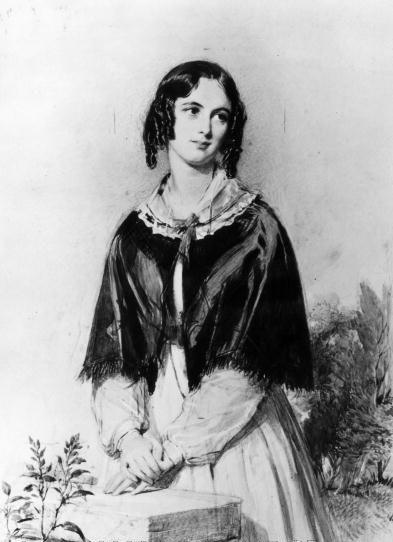
Susan Fenimore Cooper was an American writer and amateur naturalist, known for her contributions to literature and her philanthropic efforts. Born into a prominent literary family as the daughter of renowned author James Fenimore Cooper, she played a significant role in her father's later years, serving as his secretary and amanuensis. Her literary career was marked by a deep appreciation for nature, which she expressed in her notable works, including 'Rural Hours,' a pioneering nature writing that blended personal observation with environmental advocacy. This work is often regarded as one of the first of its kind in American literature, showcasing her keen observations of the natural world and her reflections on the relationship between humans and nature. In addition to her literary pursuits, Cooper was deeply committed to social causes, founding a successful orphanage in her hometown of Cooperstown, New York. Her efforts in philanthropy reflected her belief in community service and the importance of caring for the less fortunate. Through her writing and charitable work, Susan Fenimore Cooper left a lasting legacy that highlighted the interconnectedness of humanity and the environment, influencing future generations of writers and naturalists alike. Her contributions to American literature and social reform continue to be recognized for their significance in the 19th century and beyond.
Famous Quotes
View all 3 quotes“The arbutus is now open everywhere in the woods and groves. How pleasant it is to meet the same flowers year after year! If the blossoms were liable to change–if they were to become capricious and irregular–they might excite more surprise, more curiosity, but we should love them less; they might be just as bright, and gay, and fragrant under other forms, but they would not be the violets, and squirrel-cups, and ground laurels we loved last year. Whatever your roving fancies may say, there is a virtue in constancy which has a reward above all that fickle change can bestow, giving strength and purity to every affection of life, and even throwing additional grace about the flowers which bloom in our native fields. We admire the strange and brilliant plant of the green-house, but we love most the simple flowers we have loved of old, which have bloomed many a spring, through rain and sunshine, on our native soil.”
“How lavishly are the flowers scattered over the face of the earth! One of the most perfect and delightful works of the Creation, there is yet no other form of beauty so very common. Abounding in different climates, upon varying soils -not a few here to cheer the sad, a few there to reward the good but countless in their throngs, infinite in their variety, the gift of measureless beneficence wherever man may live, there grow the flowers.”
“La montaña más desprovista de vida y más estéril sobre la faz de la Tierra, con el sueño ininterrumpido de años y años cubriendo su soledad, sigue conservando en su cabeza callada la emoción de una pasión poderosa.”
Books from the author

Link to this page
Add a free, dofollow link to Lex on your blog, forum, syllabus, or reading list.

<a href="https://lex-books.com/author/susan-fenimore-cooper"><img src="https://lex-books.com/badges/read-on-lex.svg" alt="Susan Fenimore Cooper on Lex" width="160" height="40"></a>[](https://lex-books.com/author/susan-fenimore-cooper)[url=https://lex-books.com/author/susan-fenimore-cooper][img]https://lex-books.com/badges/read-on-lex.svg[/img][/url]Susan Fenimore Cooper on Lex: https://lex-books.com/author/susan-fenimore-cooper