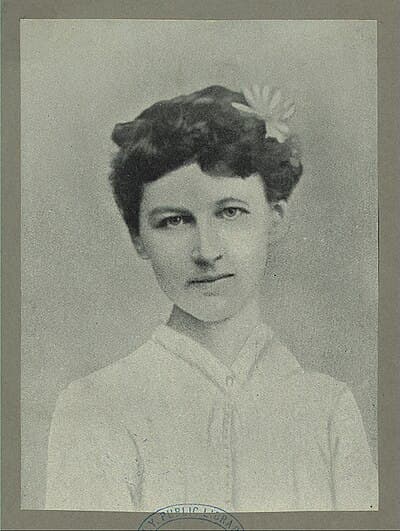
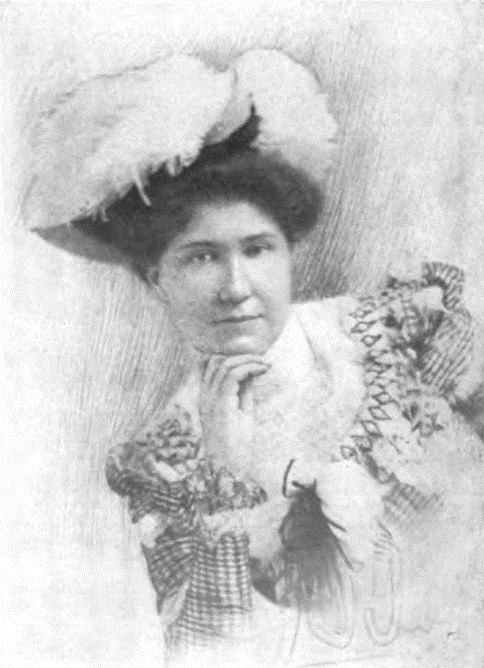
Sara Jeannette Duncan
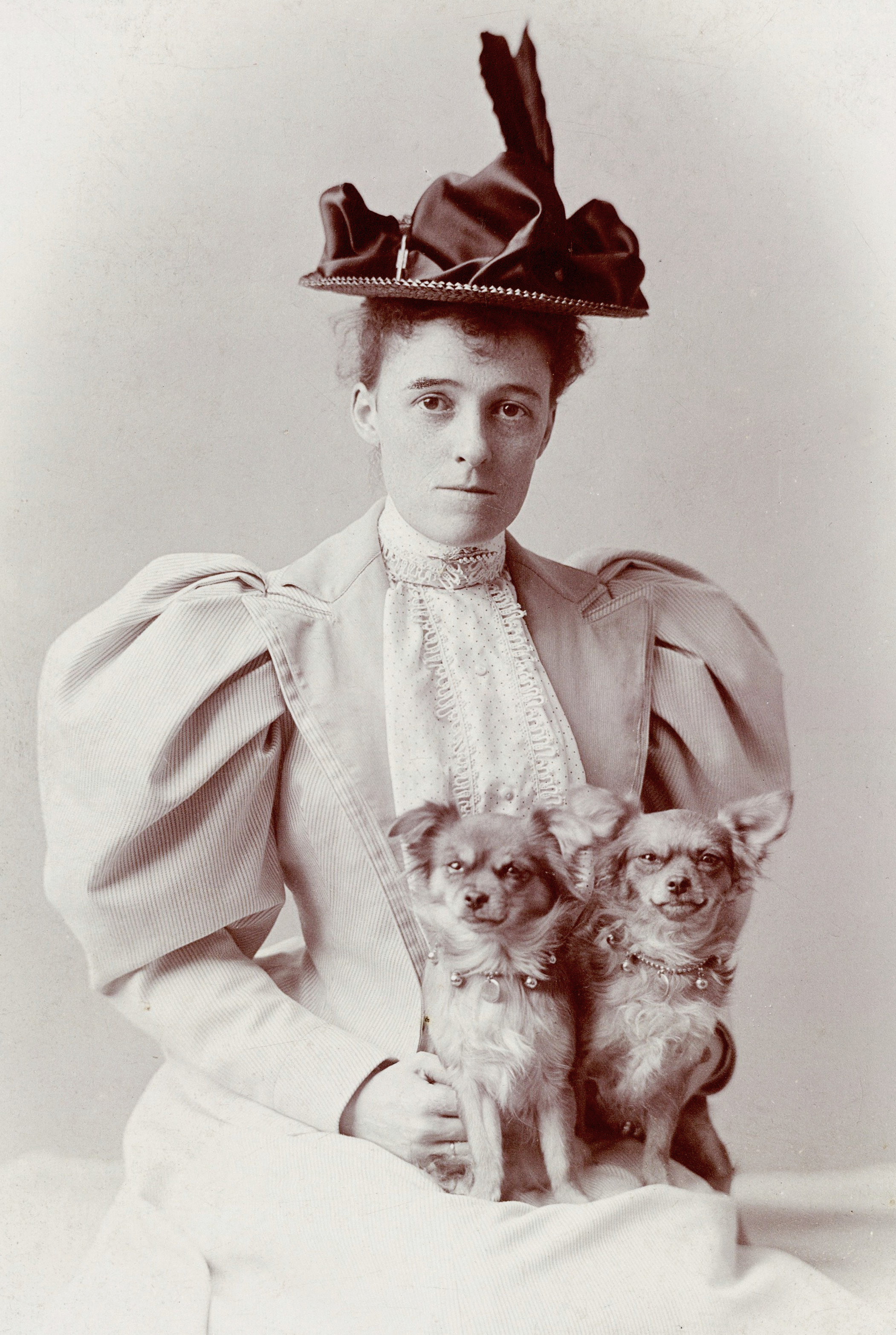
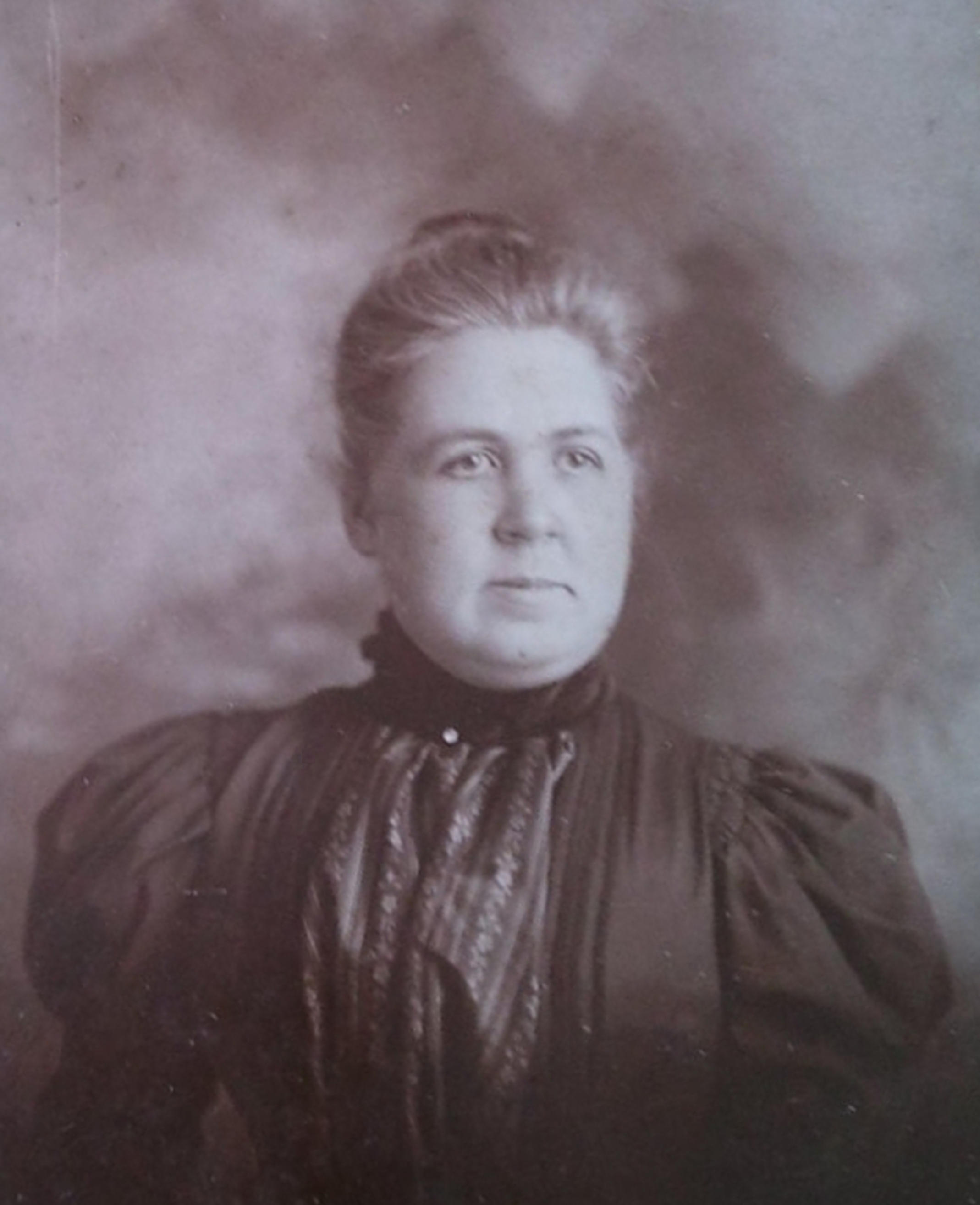
Sara Jeannette Duncan was a pioneering Canadian author and journalist whose work spanned various genres and locations. Initially trained as a teacher, she shifted her focus to writing, contributing poetry and travel articles to Canadian newspapers, including the Toronto Globe. Her career expanded as she took on the role of current literature editor for the Washington Post, showcasing her versatility and keen literary insight. Duncan's experiences abroad, particularly her time in India after marrying an Anglo-Indian civil servant, greatly influenced her writing, leading her to produce 22 works of fiction that often explored international themes and settings. Despite receiving mixed reviews during her lifetime, Duncan's novels, such as "A Daughter of the Snows" and "The Imperialist," reflect her unique perspective on culture and identity in a rapidly changing world. While her works may not be widely read today, her contributions to literature and journalism were significant enough to earn her recognition as a National Historic Person in Canada in 2016. Duncan's legacy lies in her role as a trailblazer for women writers and her ability to weave complex narratives that addressed the intricacies of life across different cultures, marking her as an important figure in Canadian literary history.
Famous Quotes
View all 2 quotes“He had come, besides, to the point in life when the eager heart has learned how much it must do without; when it knows acquiescence and shrewdly guesses the certainty of denial by the depth of desire. It would go cowled like a monk among the ways of the world if it could, the heart of middle age; so wise it has grown, and so humble. Or perhaps it is like a dog that has been beaten often but still would serve its master, trying to learn indifference to every other foolish wish. Yes, it is most like that; since the poor dog pants and bounds in its allegiance much longer, sometimes, than we have any need of him.”
“The individual human lot, how practically it disengages itself from the mass! We talk of campaigns and revolutions, and it is all paper theory, less important to our instincts than the single case, anywhere on the round world, that has managed to become detached, to rise, like a microcosm of misery, out of the depths. There is the picture and the drama; and we stare fascinated at the bubble we see, while the fate of anonymous thousands sleeps in the next paragraph.”
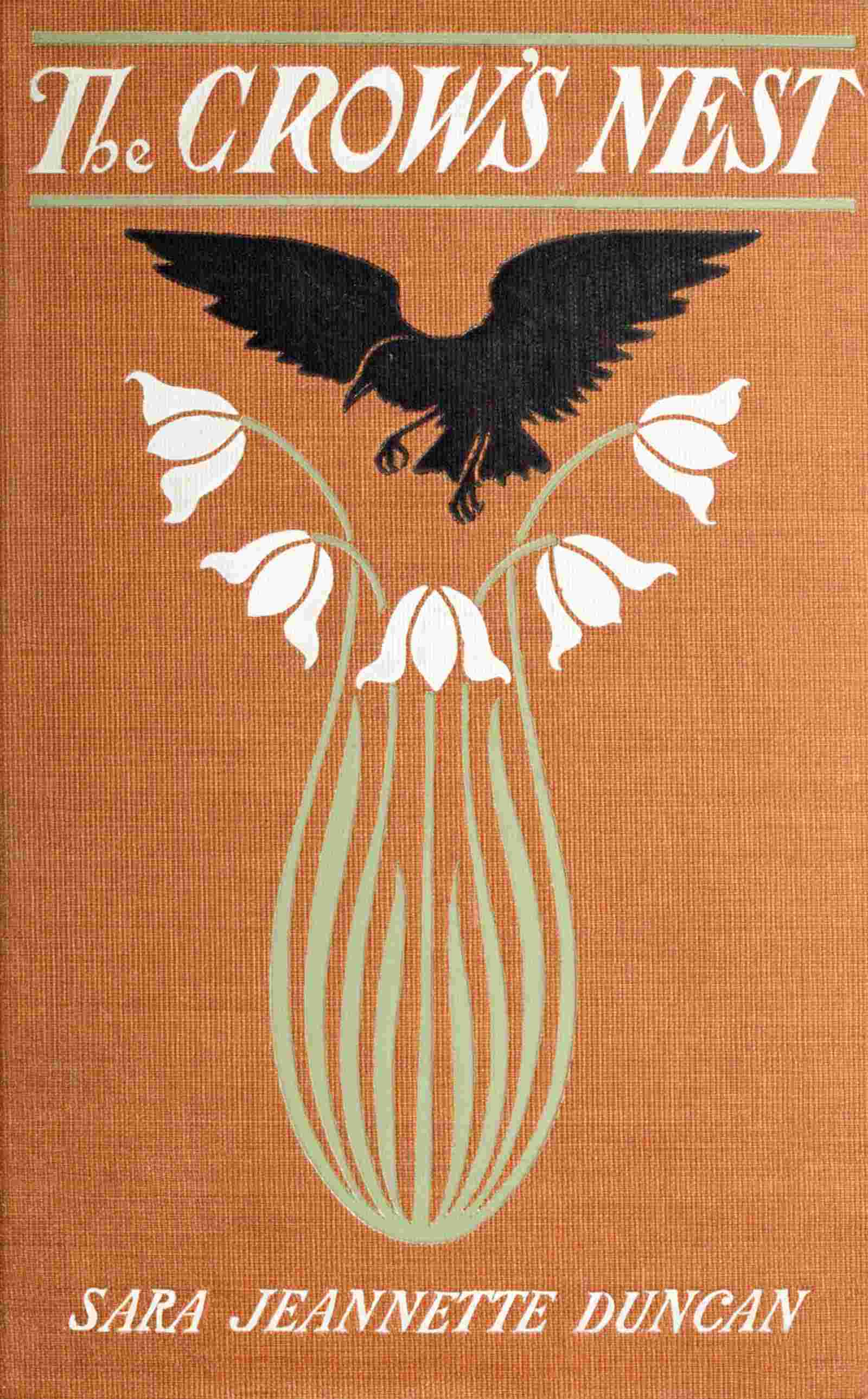
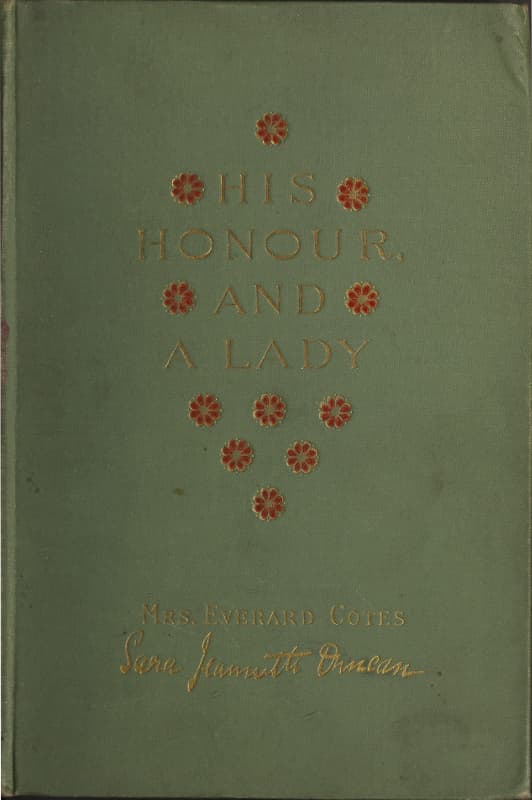
Books from the author



Link to this page
Add a free, dofollow link to Lex on your blog, forum, syllabus, or reading list.

<a href="https://lex-books.com/author/sara-jeannette-duncan"><img src="https://lex-books.com/badges/read-on-lex.svg" alt="Sara Jeannette Duncan on Lex" width="160" height="40"></a>[](https://lex-books.com/author/sara-jeannette-duncan)[url=https://lex-books.com/author/sara-jeannette-duncan][img]https://lex-books.com/badges/read-on-lex.svg[/img][/url]Sara Jeannette Duncan on Lex: https://lex-books.com/author/sara-jeannette-duncan