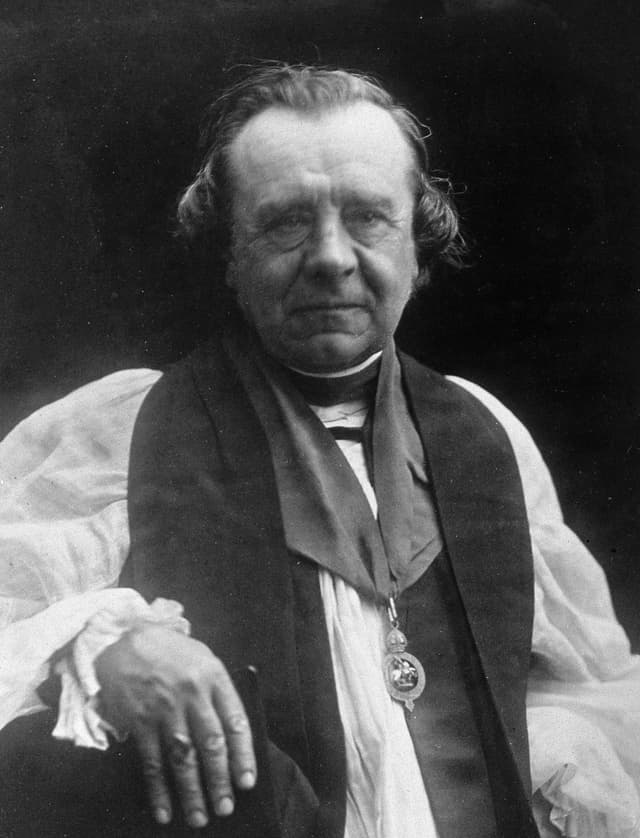
Samuel Wilberforce
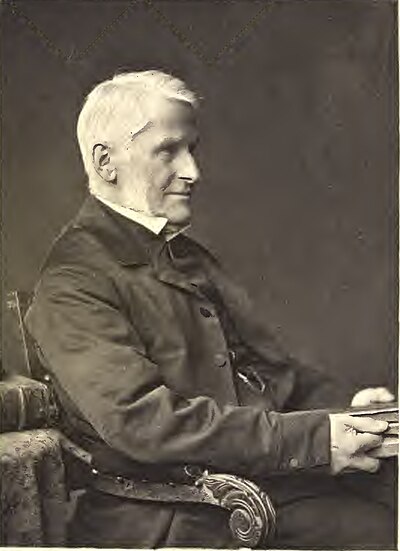
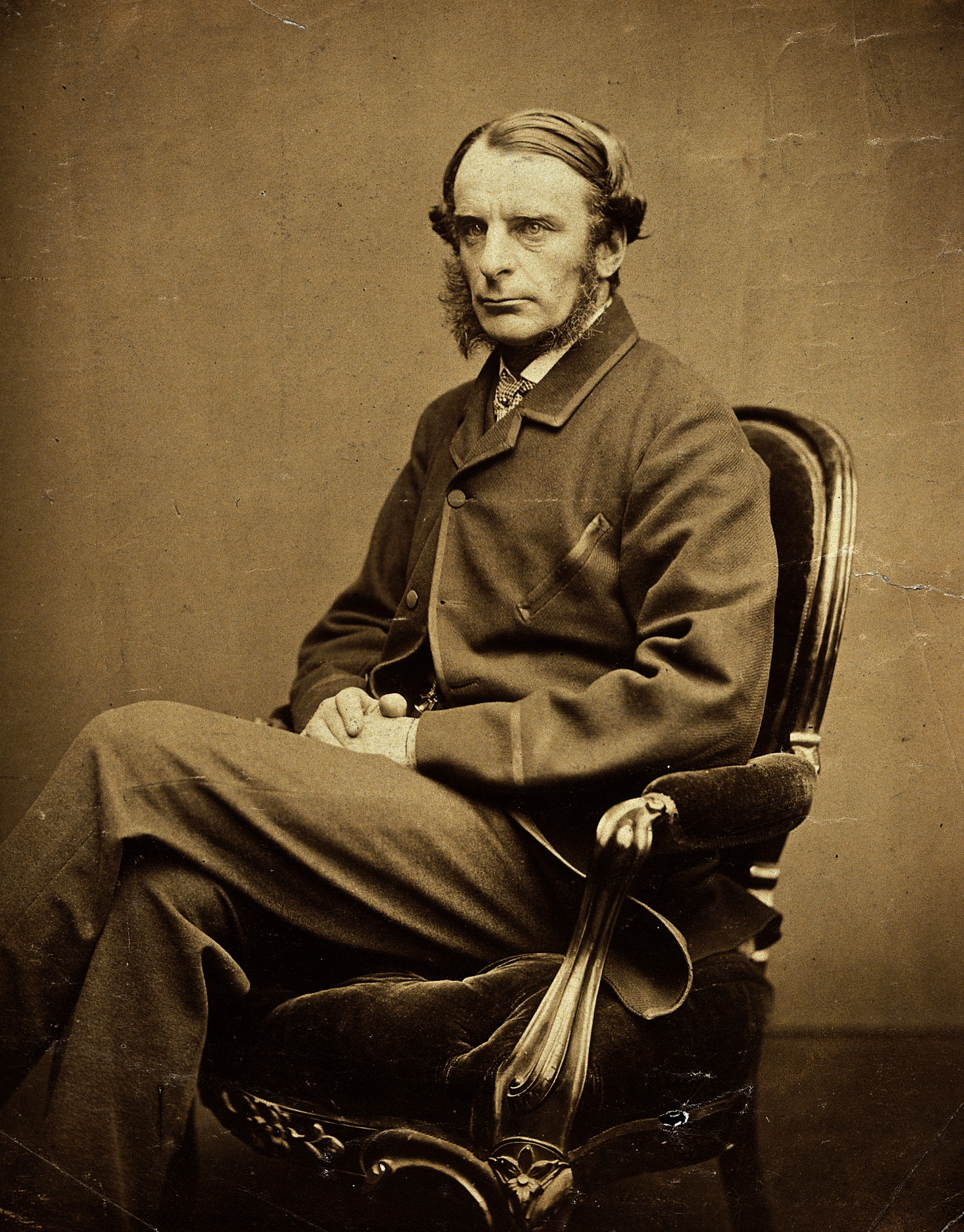
Samuel Wilberforce was an influential English bishop known for his dynamic public speaking and his significant role in the theological and political landscape of Victorian Britain. As the third son of the prominent abolitionist William Wilberforce, he was deeply rooted in the religious and social issues of his time. Wilberforce served as the Bishop of Oxford from 1845 to 1869 and then as the Bishop of Winchester until his death in 1873. His tenure was marked by a commitment to high church principles and a focus on education and social reform within the Church of England. Wilberforce is perhaps best remembered for his vigorous opposition to Charles Darwin's theory of evolution, which he famously debated in 1860. This confrontation highlighted the tensions between science and religion during the period and positioned him as a key figure in the debates surrounding faith and reason. His eloquence and ability to engage with complex issues made him a prominent voice in Victorian society, and his legacy continues to influence discussions on the relationship between science and religion today.
Books from the author



Link to this page
Add a free, dofollow link to Lex on your blog, forum, syllabus, or reading list.

<a href="https://lex-books.com/author/samuel-wilberforce"><img src="https://lex-books.com/badges/read-on-lex.svg" alt="Samuel Wilberforce on Lex" width="160" height="40"></a>[](https://lex-books.com/author/samuel-wilberforce)[url=https://lex-books.com/author/samuel-wilberforce][img]https://lex-books.com/badges/read-on-lex.svg[/img][/url]Samuel Wilberforce on Lex: https://lex-books.com/author/samuel-wilberforce