S. P. Langley
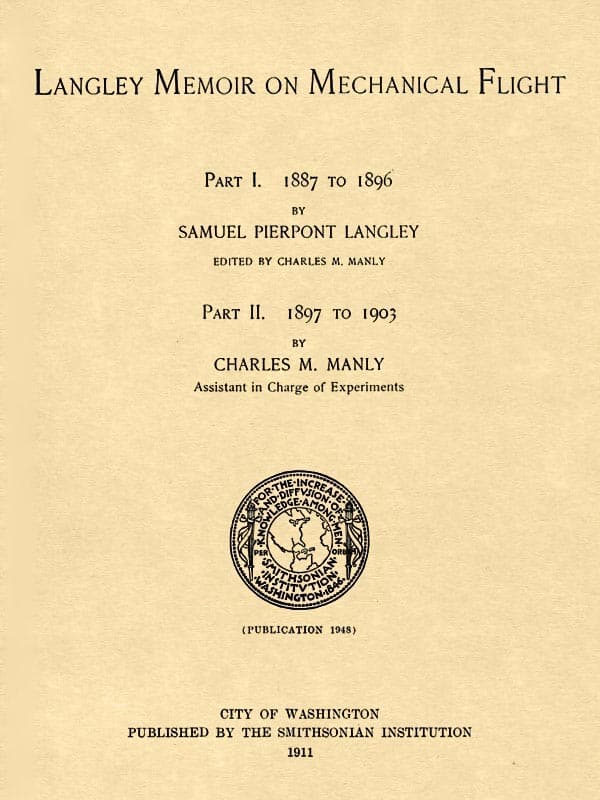
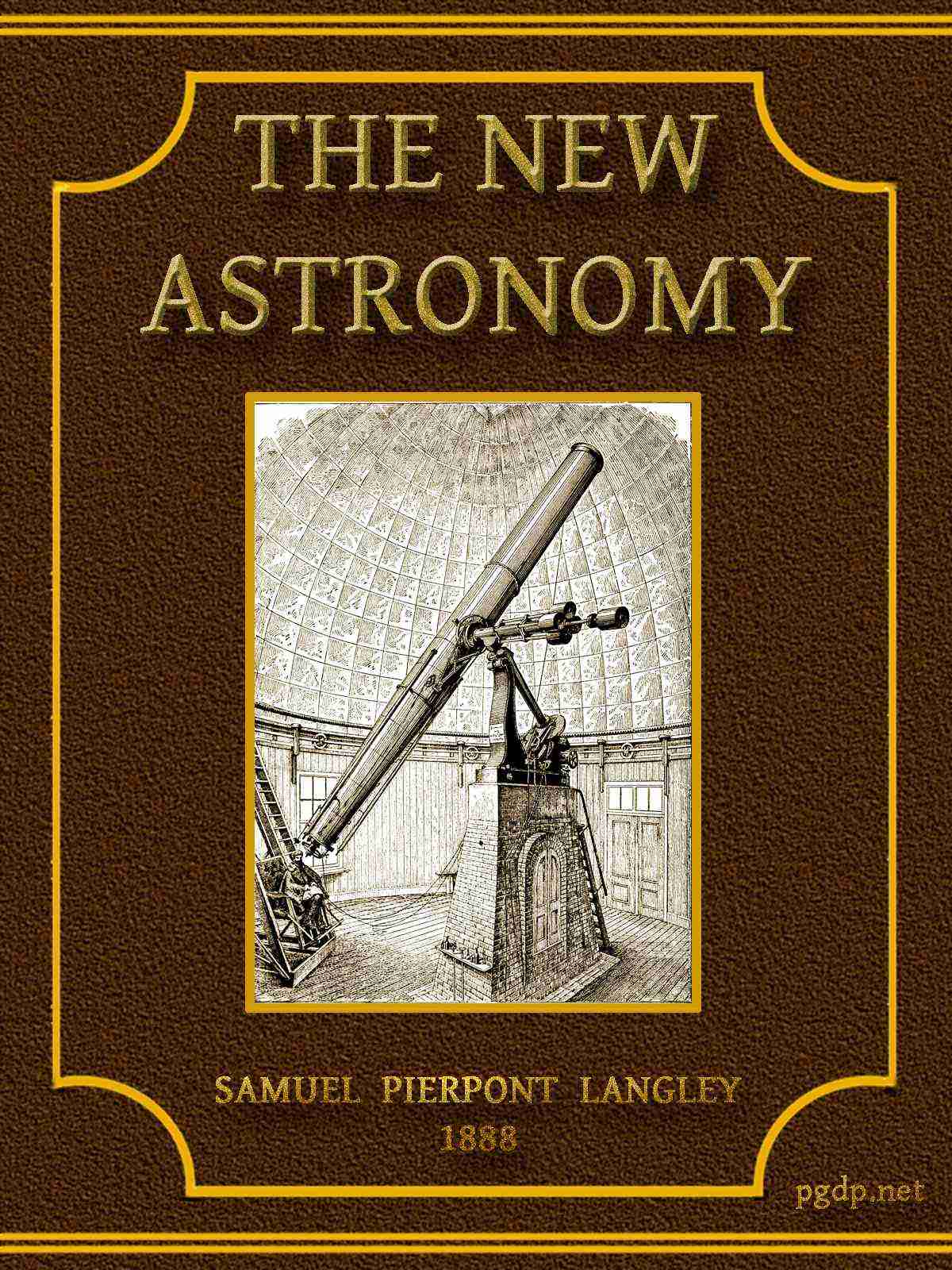
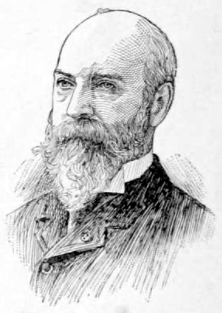
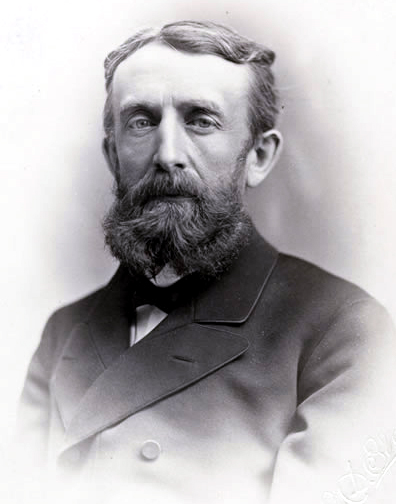
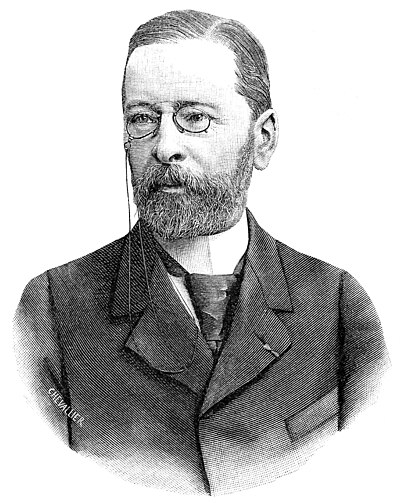
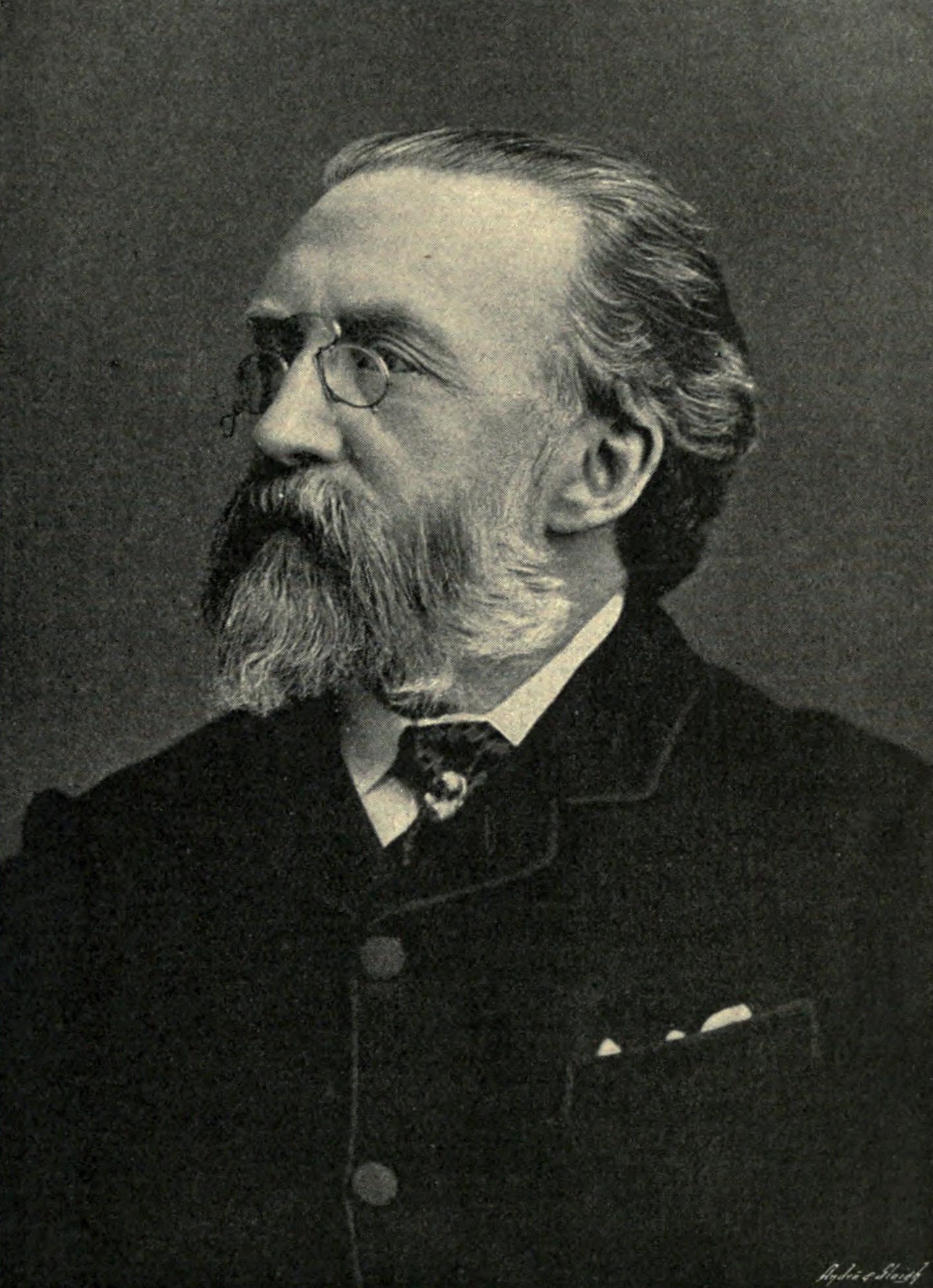
S. P. Langley was an American astronomer and aviation pioneer whose contributions significantly advanced the understanding of both celestial mechanics and the principles of flight. Born in 1834, Langley became a prominent figure in the scientific community, particularly known for his work in astronomy and aerodynamics. His notable publication, 'The New Astronomy,' explored contemporary astronomical theories and observations, helping to popularize the field and make complex concepts accessible to a broader audience. Langley's meticulous research laid the groundwork for future advancements in both astronomy and aviation. In addition to his astronomical work, Langley is perhaps best remembered for his experiments in mechanical flight. His 'Langley Memoir on Mechanical Flight' detailed his innovative designs and theories regarding powered flight, which were ahead of his time. Although his early flying machines did not achieve sustained flight, they were instrumental in inspiring later aviation pioneers, including the Wright brothers. Langley's legacy endures through his contributions to both the scientific understanding of the universe and the practical development of flight technology, marking him as a key figure in the evolution of modern aeronautics.
Books from the author



Link to this page
Add a free, dofollow link to Lex on your blog, forum, syllabus, or reading list.

<a href="https://lex-books.com/author/s-p-langley"><img src="https://lex-books.com/badges/read-on-lex.svg" alt="S. P. Langley on Lex" width="160" height="40"></a>[](https://lex-books.com/author/s-p-langley)[url=https://lex-books.com/author/s-p-langley][img]https://lex-books.com/badges/read-on-lex.svg[/img][/url]S. P. Langley on Lex: https://lex-books.com/author/s-p-langley