Robert S. Carroll
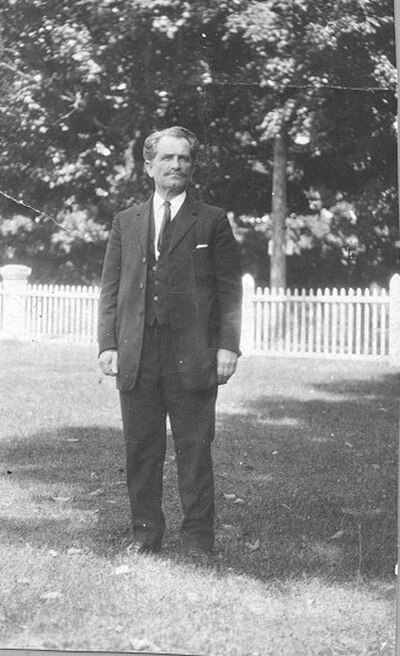
Robert S. Carroll was an American author and psychologist, known for his exploration of the human psyche and the complexities of nervous disorders. His notable work, 'Our Nervous Friends — Illustrating the Mastery of Nervousness,' delves into the intricacies of anxiety and nervousness, providing insights into the psychological challenges faced by individuals in the early 20th century. Carroll's writing reflects a keen understanding of the social and emotional factors contributing to mental health issues, making his contributions significant in the context of psychological literature of his time. Carroll's work is particularly noteworthy for its blend of scientific observation and accessible prose, which aimed to demystify the experiences of those suffering from nervous conditions. By addressing these topics, he not only contributed to the discourse on mental health but also offered a compassionate perspective that resonated with readers seeking understanding and solace. His legacy lies in his ability to articulate the struggles of his contemporaries, paving the way for future discussions on mental health and wellness.
Famous Quotes
View all 12 quotes“Listen to his performance of “Boys of Kilmichael” in London’s Brixton Academy on St. Patrick’s Day, 1994. Then compare that to any other version of the song – Jimmy Crowley, Donie Carroll, or Oliver Kane. There is no comparison. The others are pretty. MacGowan makes you want to go out and kill an Englishman. Isn’t that what rebel songs are supposed to do?””
“Seventy-seven percent of Americans think it’s safer to talk on a hands-free phone than on a handheld phone. The empirical evidence shows otherwise. The evidence shows that the deficit in driving skill has nothing to do with holding or not holding the phone but with the distraction that comes from talking on the phone while driving. The problem is with the eyes, not the hands. The dangers of hands-free phone use while driving might be amplified by another illusion, the illusion of confidence, by deluding a driver into thinking that she can drive safely while talking on the phone as long as her hands are free. Despite your belief in your abilities to multitask, “the more attention-demanding things your brain does, the worse it does each one.””
“In fact, there is good scientific evidence to support the notion that being really intelligent and knowledgeable can be a disadvantage to some thinkers because of the increased ability to come up with rationalizations in defense of a position one originally adopted for inadequate reasons. There are many reasons why smart people sometimes believe dumb things. The smarter one is, the easier it is to see patterns, fit data to a hypothesis, and draw inferences. The smarter one is, the easier it is to explain away strong evidence contrary to one’s beliefs. Also, smart people are often arrogant and incorrectly think that they cannot be deceived by others, the data, or themselves.””
Books from the author



Link to this page
Add a free, dofollow link to Lex on your blog, forum, syllabus, or reading list.

<a href="https://lex-books.com/author/robert-s-carroll"><img src="https://lex-books.com/badges/read-on-lex.svg" alt="Robert S. Carroll on Lex" width="160" height="40"></a>[](https://lex-books.com/author/robert-s-carroll)[url=https://lex-books.com/author/robert-s-carroll][img]https://lex-books.com/badges/read-on-lex.svg[/img][/url]Robert S. Carroll on Lex: https://lex-books.com/author/robert-s-carroll