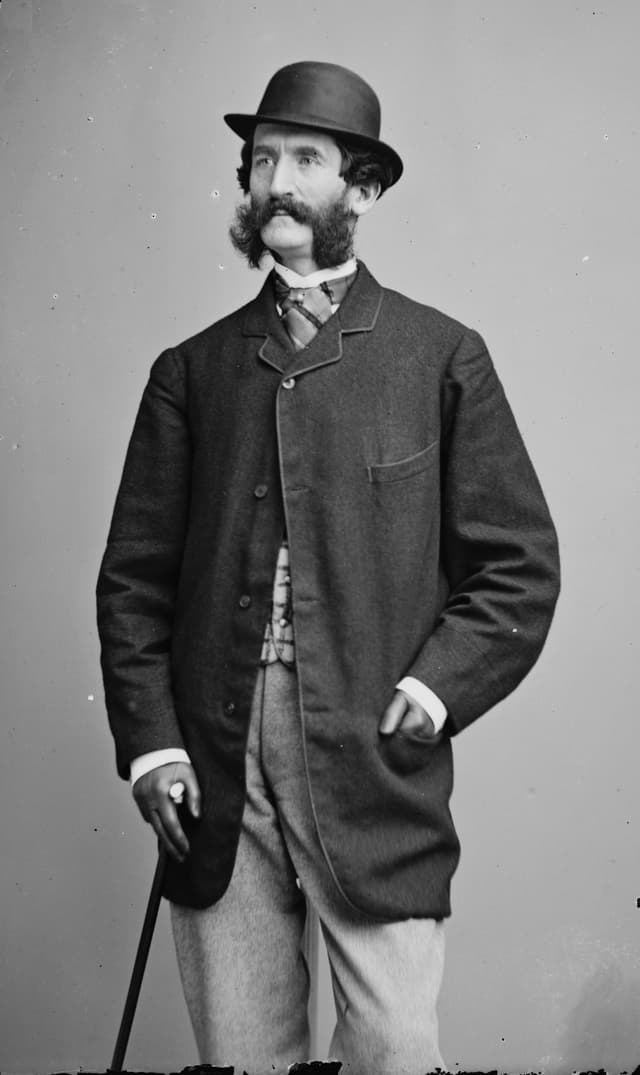
Richard Grant White
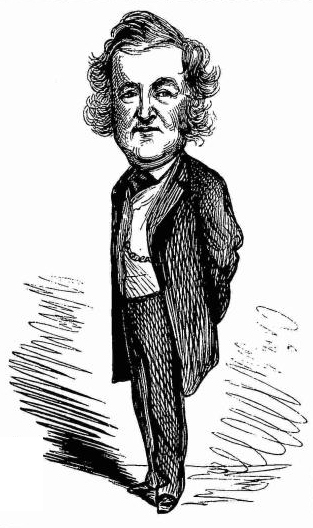
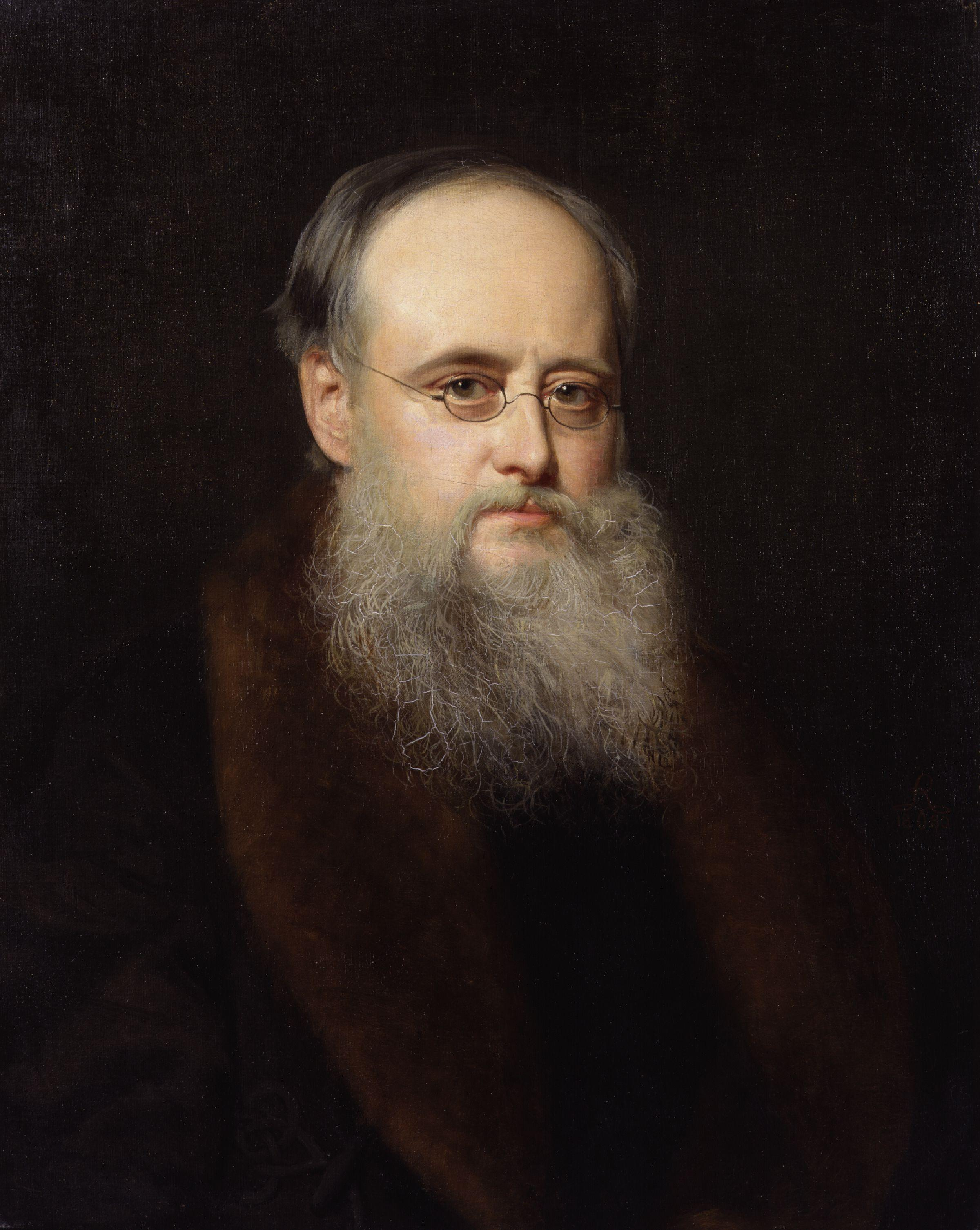
Richard Grant White was a distinguished literary and musical critic, recognized for his profound contributions to the understanding of Shakespeare and the arts in the 19th century. Born and raised in New York City, he navigated a diverse career as a journalist, social critic, and lawyer, which enriched his perspectives on literature and culture. White's scholarship on Shakespeare, particularly his critical edition of the Bard's works, showcased his deep analytical skills and helped elevate the study of Shakespearean texts during a time when such scholarship was gaining prominence in America. In addition to his work on Shakespeare, White was known for his insightful critiques of contemporary literature and music, which often reflected his broader social concerns. His writings not only engaged with the artistic movements of his time but also critiqued the societal norms surrounding them. Through his essays and reviews, White established himself as a key figure in the literary landscape of the era, influencing both critics and audiences alike. His legacy endures in the realms of literary criticism and Shakespearean scholarship, where he is remembered for his rigorous analysis and passionate advocacy for the arts.
Famous Quotes
View all 12 quotes“We need daylight and to that extent it is utilitarian, but moonlight we do not need. When it comes, it serves no necessity. It transforms. It falls upon the banks and the grass, separating one long blade from another; turning a drift of brown, frosted leaves from a single heap to innumerable flashing fragments; or glimmering lengthways along wet twigs as though light itself were ductile. Its long beams pour, white and sharp, between the trunks of trees, their clarity fading as they recede into the powdery, misty distance of beech woods at night. In moonlight, two acres of coarse bent grass, undulant and ankle deep, tumbled and rough as a horse's mane, appear like a bay of waves, all shadowy troughs and hollows. The growth is so thick and matted that even the wind does not move it, but it is the moonlight that seems to confer stillness upon it. We do not take moonlight for granted. It is like snow, or like the dew on a July morning. It does not reveal but changes what it covers. And its low intensity--so much lower than that of daylight--makes us conscious that it is something added to the down, to give it, for only a little time, a singular and marvelous quality that we should admire while we can, for soon it will be gone again.””
“light is not a part of the down itself as the hide is part of the horse itself. We take daylight for granted. But moonlight is another matter. It is inconstant. The full moon wanes and returns again. Clouds may obscure it to an extent to which they cannot obscure daylight. Water is necessary to us, but a waterfall is not. Where it is to be found it is something extra, a beautiful ornament. We need daylight and to that extent it is utilitarian, but moonlight we do not need. When it comes, it serves no necessity. It transforms. It falls upon the banks and the grass, separating one long blade from another; turning a drift of brown, frosted leaves from a single heap to innumerable flashing fragments; or glimmering lengthways along wet twigs as though light itself were ductile. Its long beams pour, white and sharp, between the trunks of trees, their clarity fading as they recede into the powdery, misty distance of beech woods at night. In moonlight, two acres of coarse bent grass, undulant and ankle deep, tumbled and rough as a horse’s mane, appear like a bay of waves, all shadowy troughs and hollows. The growth is so thick and matted that even the wind does not move it, but it is the moonlight that seems to confer””
“I knew what was wrong with me, but I could not correct it. The words and actions ofwhite people were baffling signs to me. I was living in a culture and not a civilization and Icould learn how that culture worked only by living with it. Misreading the reactions of whitesaround me made me say and do the wrong things. In my dealing with whites I was consciousonly of what was happening at a given moment. I had to keep remembering what others tookfor granted; I had to think out what others felt.””
Books from the author
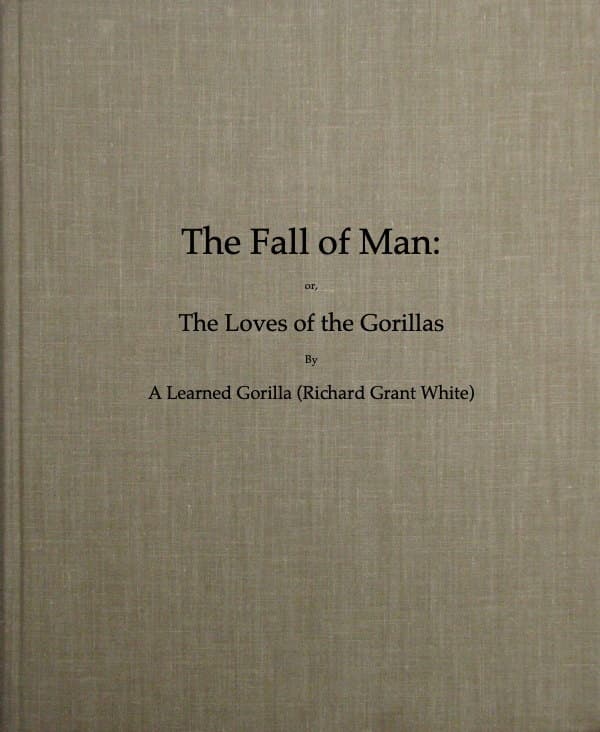

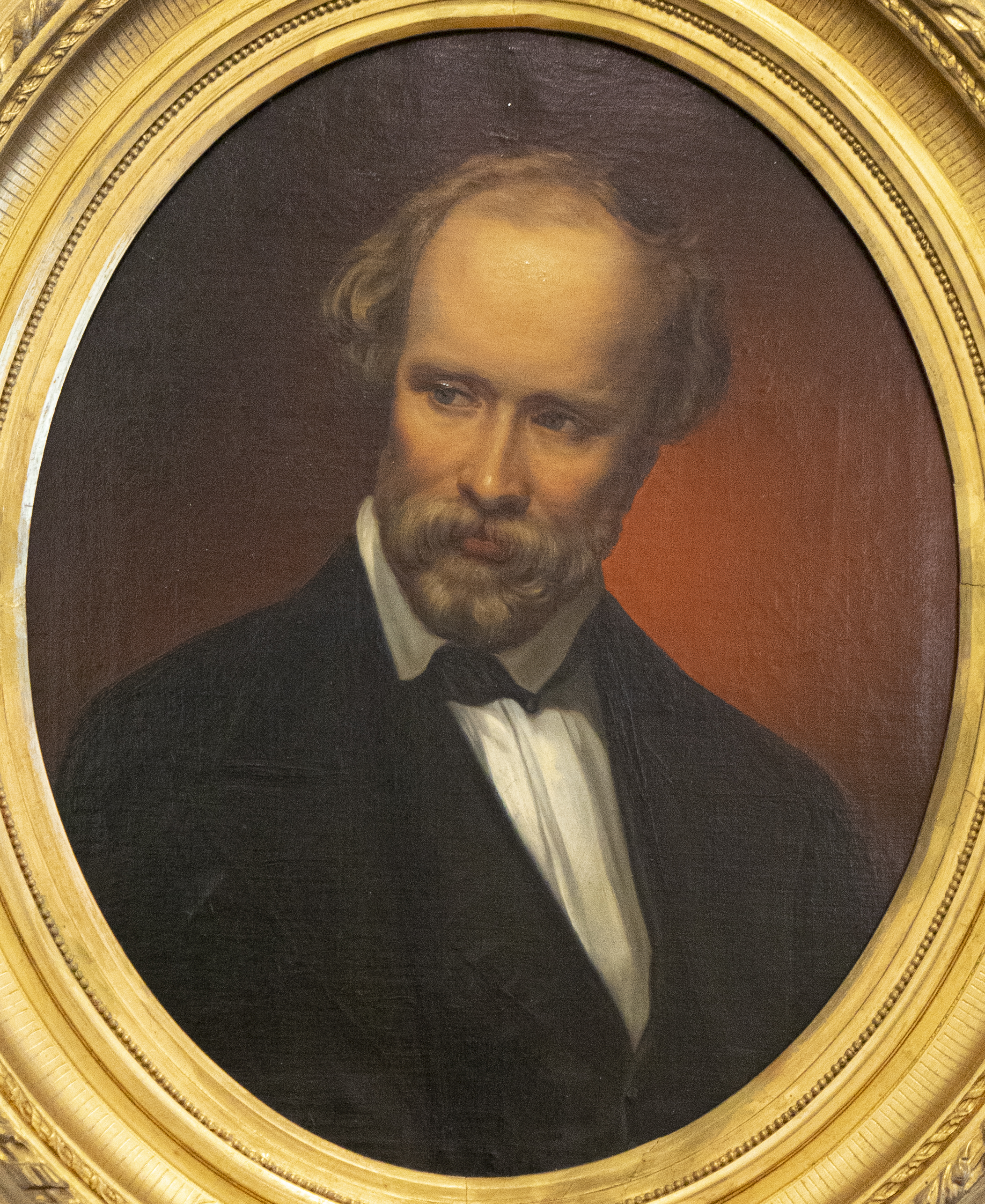

Link to this page
Add a free, dofollow link to Lex on your blog, forum, syllabus, or reading list.

<a href="https://lex-books.com/author/richard-grant-white"><img src="https://lex-books.com/badges/read-on-lex.svg" alt="Richard Grant White on Lex" width="160" height="40"></a>[](https://lex-books.com/author/richard-grant-white)[url=https://lex-books.com/author/richard-grant-white][img]https://lex-books.com/badges/read-on-lex.svg[/img][/url]Richard Grant White on Lex: https://lex-books.com/author/richard-grant-white