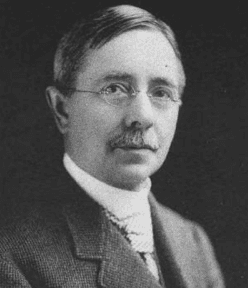
Reuben Gold Thwaites
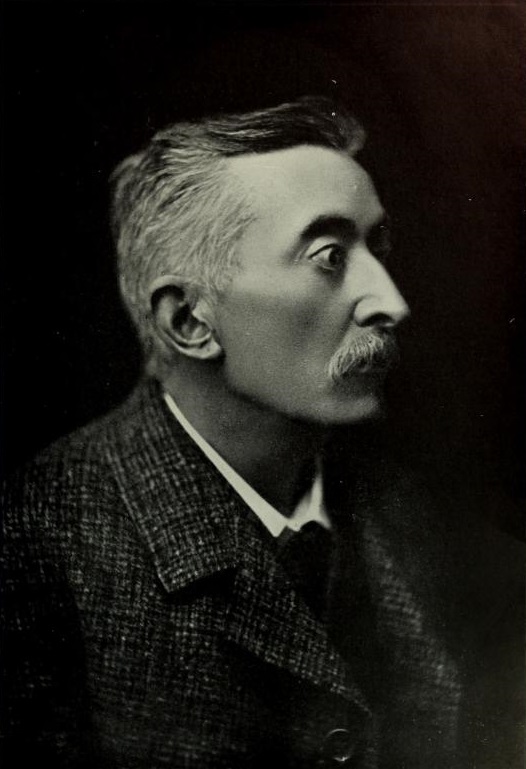
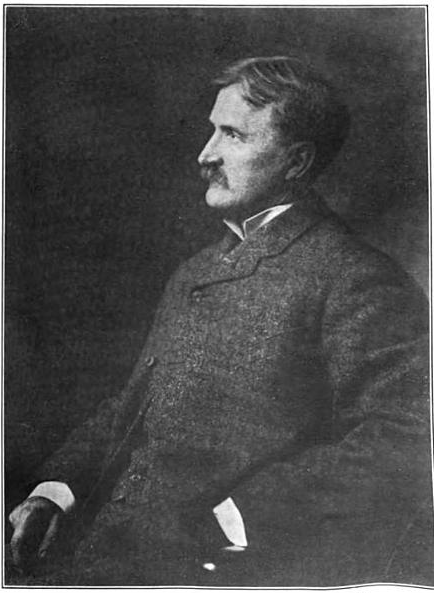
Reuben Gold Thwaites was an influential American librarian and historical writer known for his extensive contributions to the documentation of American history, particularly the exploration and settlement of the American West. Born in 1853, he became the first secretary of the Wisconsin Historical Society, where he played a pivotal role in expanding its collections and promoting historical research. Thwaites was a prolific author, with notable works including 'The Jesuit Relations and Allied Documents,' a comprehensive collection of 17th-century accounts by Jesuit missionaries in North America, which remains a key resource for understanding early colonial history. His writings often focused on the interactions between Native Americans and European settlers, providing valuable insights into the cultural exchanges and conflicts of the time. Thwaites's legacy extends beyond his own writings; he was a passionate advocate for the preservation of historical documents and the importance of historical scholarship. His editorial work and commitment to historical accuracy helped to shape the field of American history. Thwaites's contributions have been recognized for their depth and scholarly rigor, making him a significant figure in the historiography of the United States. His efforts not only enriched the understanding of America's past but also laid the groundwork for future historians to explore the complexities of the nation's development.
Famous Quotes
View all 3 quotes“Their Policy in this is very wise, and has nothing Barbarous in it. For, since their preservation depends upon their union, and since it is hardly possible that among peoples where license reigns with all impunity -- and, above all, among young people -- there should not happen some event capable of causing a rupture, and disuniting their minds, -- for these reasons, they hold every year a general assembly in Onnontaé. There all the Deputies from the different Nations are present, to make their complaints and receive the necessary satisfaction in mutual gifts, -- by means of which they maintain a good understanding with one another”
“They still possess virtues which might cause shame to most Christians. No hospitals are needed among them, because there are neither mendicants nor paupers as long as there are any rich people among them. Their kindness, humanity, and courtesy not only make them liberal with what they have, but cause them to possess hardly anything except in common. A whole village must be without corn before any individual can be obliged to endure privation. They divide the produce of their fisheries equally with all who come”
“If a man acted as a coward in time of war, shirked his full measure of duty to the public, failed to care for his family, was careless about his debts, stole from his neighbors, was needlessly profane, or failed to treat women respectfully, he was either shunned by his fellows or forced to leave the settlement.”
Books from the author





Link to this page
Add a free, dofollow link to Lex on your blog, forum, syllabus, or reading list.

<a href="https://lex-books.com/author/reuben-gold-thwaites"><img src="https://lex-books.com/badges/read-on-lex.svg" alt="Reuben Gold Thwaites on Lex" width="160" height="40"></a>[](https://lex-books.com/author/reuben-gold-thwaites)[url=https://lex-books.com/author/reuben-gold-thwaites][img]https://lex-books.com/badges/read-on-lex.svg[/img][/url]Reuben Gold Thwaites on Lex: https://lex-books.com/author/reuben-gold-thwaites