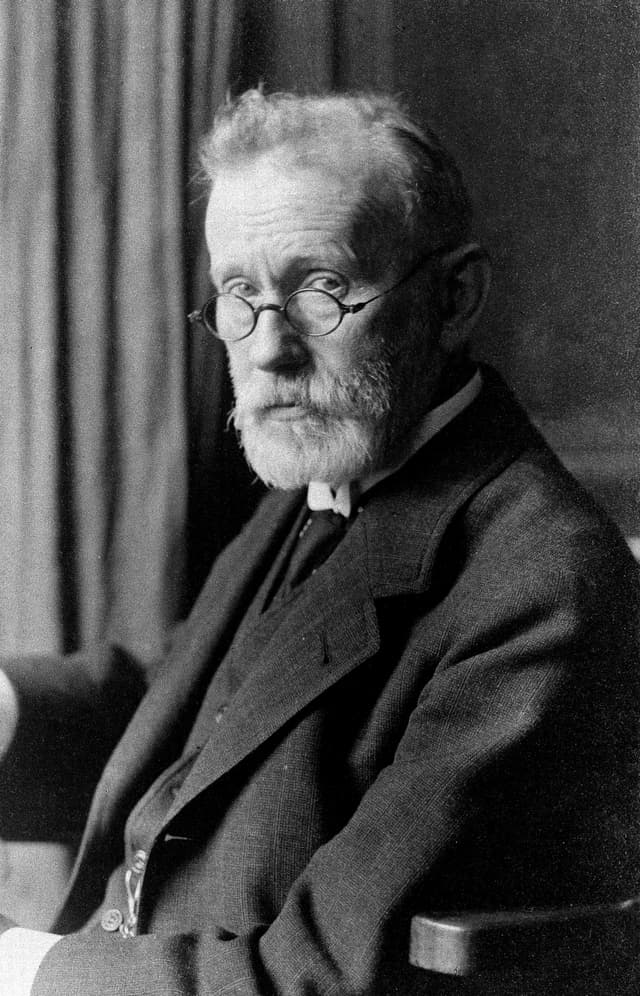
Paul Ehrlich
Paul Ehrlich was a pioneering German physician and scientist whose groundbreaking work in hematology and immunology transformed the field of medicine. He is best known for discovering arsphenamine, or Salvarsan, in 1909, which became the first effective treatment for syphilis and marked the beginning of chemotherapy as a concept. His innovative techniques for staining tissues allowed for the differentiation of blood cell types, facilitating the diagnosis of various blood diseases and enhancing the understanding of immunology. Ehrlich's introduction of the 'magic bullet' concept underscored his vision of targeted therapies in medicine. In recognition of his significant contributions, Ehrlich was awarded the Nobel Prize in Physiology or Medicine in 1908. He also played a vital role in developing an antiserum for diphtheria and established methods for standardizing therapeutic serums. His legacy continued through the Paul Ehrlich Institute, founded in 1947, which serves as Germany's federal institute for vaccines and biomedicines. Ehrlich's work laid the foundation for modern pharmacology and immunotherapy, cementing his place as a key figure in the history of medical science.
Famous Quotes
View all 3 quotes“Trying to separate the contributions of nature and nurture to an attribute is rather like trying to separate the contributions of length and width to the area of a rectangle, which at first glance also seems easy. When you think about it carefully, though, it proves impossible.”
“Few problems are less recognized, but more important than, the accelerating disappearance of the earth's biological resources. In pushing other species to extinction, humanity is busy sawing off the limb on which it is perched.”
“In brief, death control goes with the grain, birth control against it.”
Books from the author




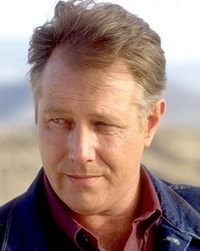
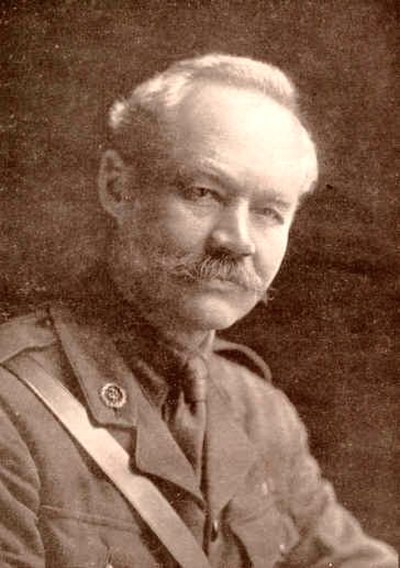

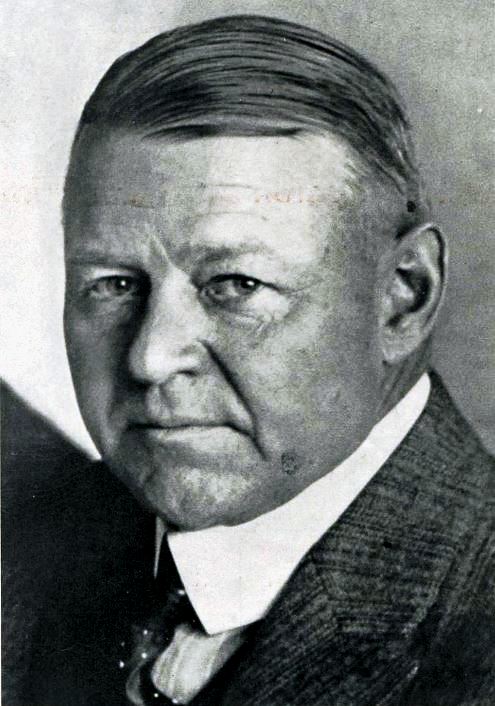
Link to this page
Add a free, dofollow link to Lex on your blog, forum, syllabus, or reading list.

<a href="https://lex-books.com/author/paul-ehrlich"><img src="https://lex-books.com/badges/read-on-lex.svg" alt="Paul Ehrlich on Lex" width="160" height="40"></a>[](https://lex-books.com/author/paul-ehrlich)[url=https://lex-books.com/author/paul-ehrlich][img]https://lex-books.com/badges/read-on-lex.svg[/img][/url]Paul Ehrlich on Lex: https://lex-books.com/author/paul-ehrlich