
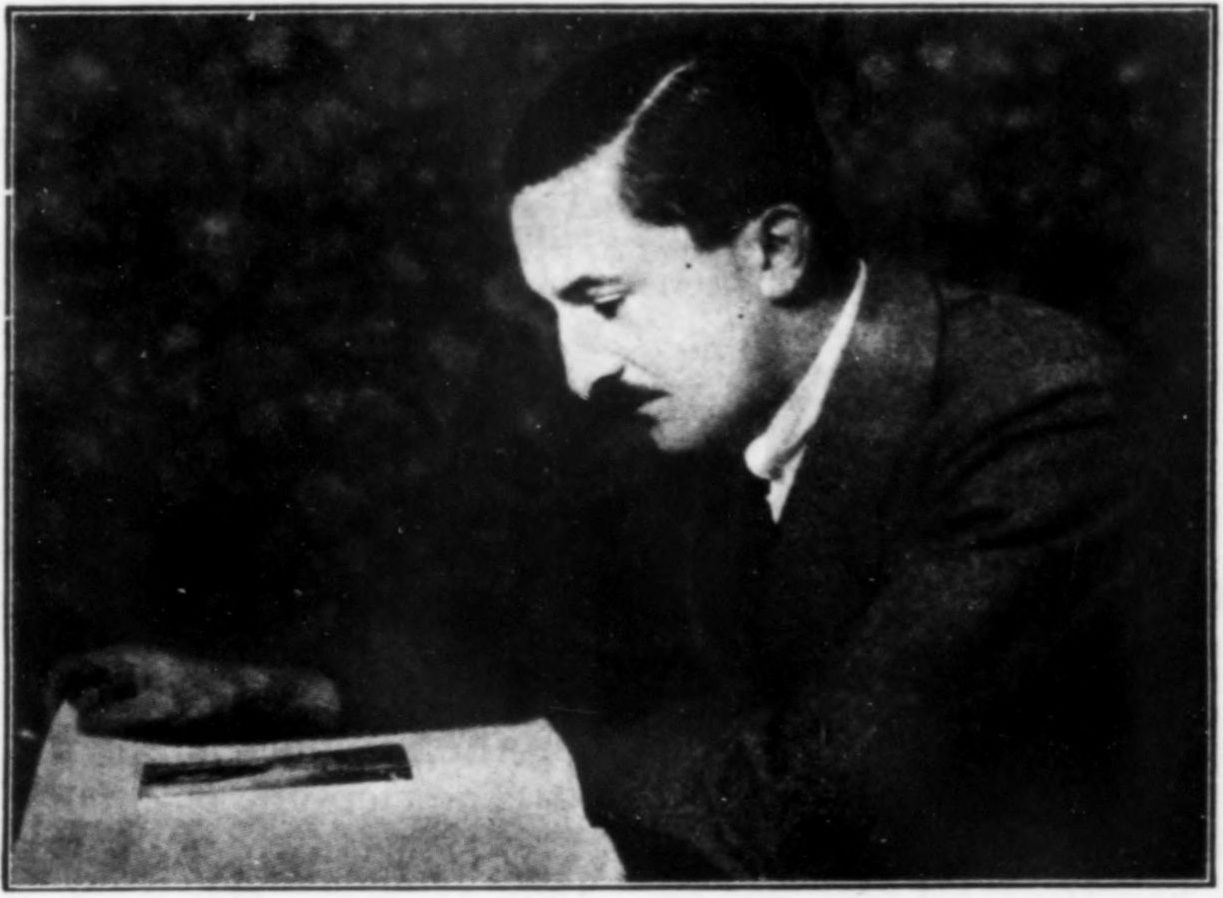
Oliver La Farge
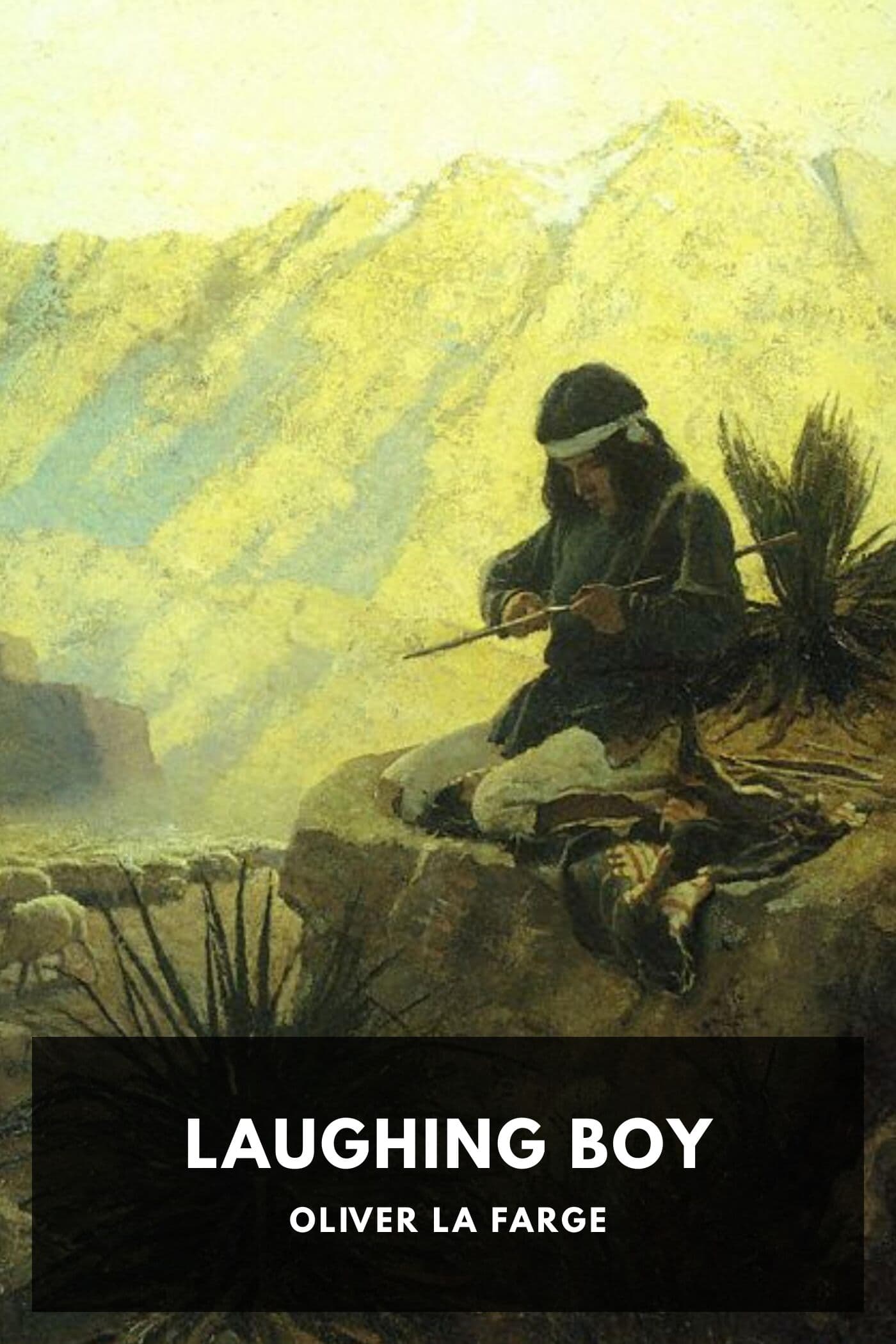
Oliver La Farge was an American novelist, anthropologist, and prominent advocate for Native American rights. Born into a family with a rich literary heritage, he developed a passion for storytelling early in life. La Farge's experiences in the American Southwest, particularly his interactions with the Navajo people, deeply influenced his writing. His most notable work, 'Laughing Boy,' published in 1929, won the Pulitzer Prize for Fiction and is celebrated for its authentic portrayal of Native American culture and the complexities of identity and love. The novel's nuanced depiction of the struggles faced by Indigenous people in a rapidly changing world marked a significant contribution to American literature, particularly in its representation of Native voices. In addition to his fiction, La Farge was a dedicated anthropologist, earning a degree from Harvard University and conducting fieldwork among Native American communities. His commitment to social justice and advocacy for Indigenous rights extended beyond his literary work, as he actively participated in various organizations aimed at improving the lives of Native Americans. La Farge's legacy lies not only in his literary achievements but also in his role as a cultural bridge, fostering understanding and appreciation for Native American heritage in a predominantly Eurocentric literary landscape.
Famous Quotes
View all 10 quotes“Time passing and corn growing cannot be seen; one can notice only that the moon has grown so much older, the corn so much higher.””
“With you I could live, without you I was already dead.””
“When the sun has been destroyed for a man, what comfort is there in a world of moonlight?””
Books from the author



Link to this page
Add a free, dofollow link to Lex on your blog, forum, syllabus, or reading list.

<a href="https://lex-books.com/author/oliver-la-farge"><img src="https://lex-books.com/badges/read-on-lex.svg" alt="Oliver La Farge on Lex" width="160" height="40"></a>[](https://lex-books.com/author/oliver-la-farge)[url=https://lex-books.com/author/oliver-la-farge][img]https://lex-books.com/badges/read-on-lex.svg[/img][/url]Oliver La Farge on Lex: https://lex-books.com/author/oliver-la-farge