
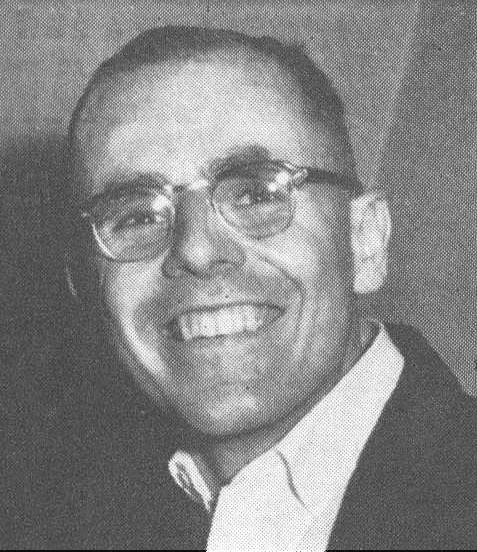
Norman Spinrad
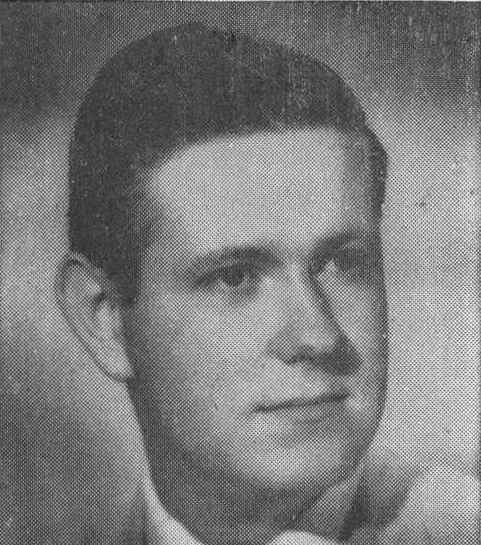
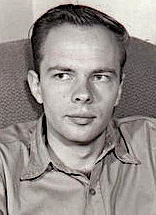
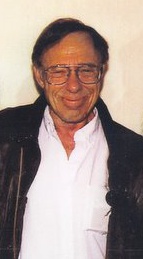
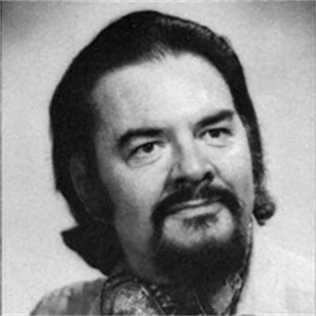
Norman Spinrad is an influential American science fiction author known for his provocative themes and innovative storytelling. Born in 1940, Spinrad emerged as a significant voice in the genre during the 1960s and 1970s, a period marked by social upheaval and a questioning of traditional values. His works often explore the intersection of technology, politics, and human nature, challenging readers to confront uncomfortable truths about society and themselves. Notable titles include 'The Iron Dream,' a satirical take on fascism and the nature of power, and 'Bug Jack Barron,' which critiques media manipulation and the commodification of human life. Spinrad's writing is characterized by its boldness and willingness to tackle controversial subjects, making him a key figure in the New Wave movement of science fiction. His contributions have not only shaped the genre but have also influenced a generation of writers and thinkers. Through his imaginative narratives and incisive commentary, Spinrad has left a lasting legacy that continues to resonate within the realms of speculative fiction and beyond.
Famous Quotes
View all 19 quotes“The saddest day of your life isn't when you decide to sell out. The saddest day of your life is when you decide to sell out and nobody wants to buy.””
“Cat Rambo: Where do you think the perennial debate between what is literary fiction and what is genre is sited?Norman Spinrad: I think it’s a load of crap. See my latest column in Asimov’s, particularly re The Road by Cormac McCarthy. I detest the whole concept of genre. A piece of fiction is either a good story well told or it isn’t. The supposed dichotomy between “literary fiction” and “popular fiction” is ridiculous. Hemingway, Fitzgerald, Mailer, did not have serious literary intent? As writers of serious literary intent, they didn’t want to be “popular,” meaning sell a lot of books? They wanted to be unpopular and have terrible sales figures to prove they were “serious”?I say this is bullshit and I say the hell with it. “Genre,” if it means anything at all, is a restrictive commercial requirement. “Westerns” must be set in the Old West. “Mysteries” must have a detective solving a crime, usually murder. “Nurse Novels” must have a nurse. And so forth.In the strictly literary sense, neither science fiction nor fantasy are “genres.” They are anti-genres. They can be set anywhere and anywhen except in the mimetic here and now or a real historical period. They are the liberation of fiction from the constraints of “genre” in an absolute literary sense.””
“We shall give up the things of childhood -- gods and demons, planets and suns, guilts and regrets.””
Books from the author





Link to this page
Add a free, dofollow link to Lex on your blog, forum, syllabus, or reading list.

<a href="https://lex-books.com/author/norman-spinrad"><img src="https://lex-books.com/badges/read-on-lex.svg" alt="Norman Spinrad on Lex" width="160" height="40"></a>[](https://lex-books.com/author/norman-spinrad)[url=https://lex-books.com/author/norman-spinrad][img]https://lex-books.com/badges/read-on-lex.svg[/img][/url]Norman Spinrad on Lex: https://lex-books.com/author/norman-spinrad