
Jim Harmon
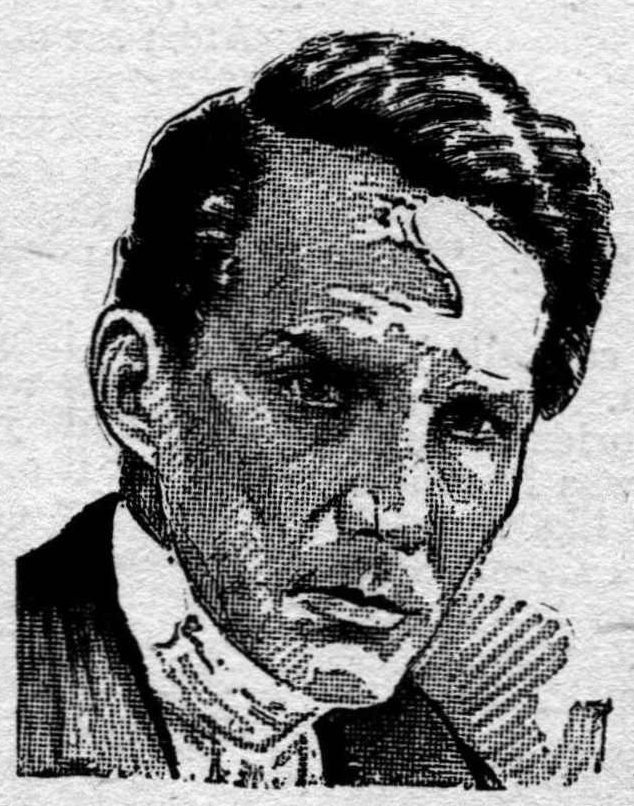
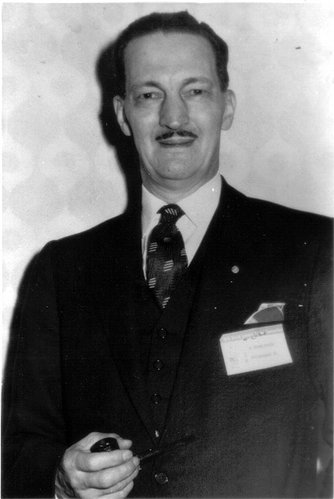
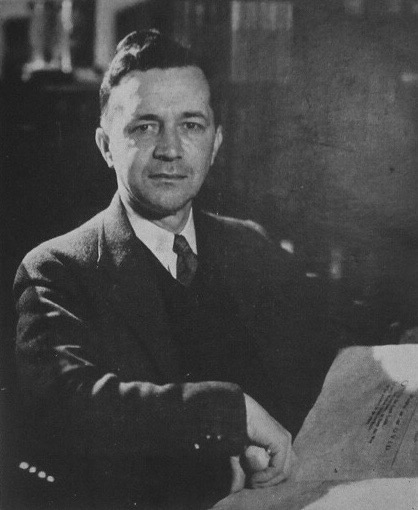
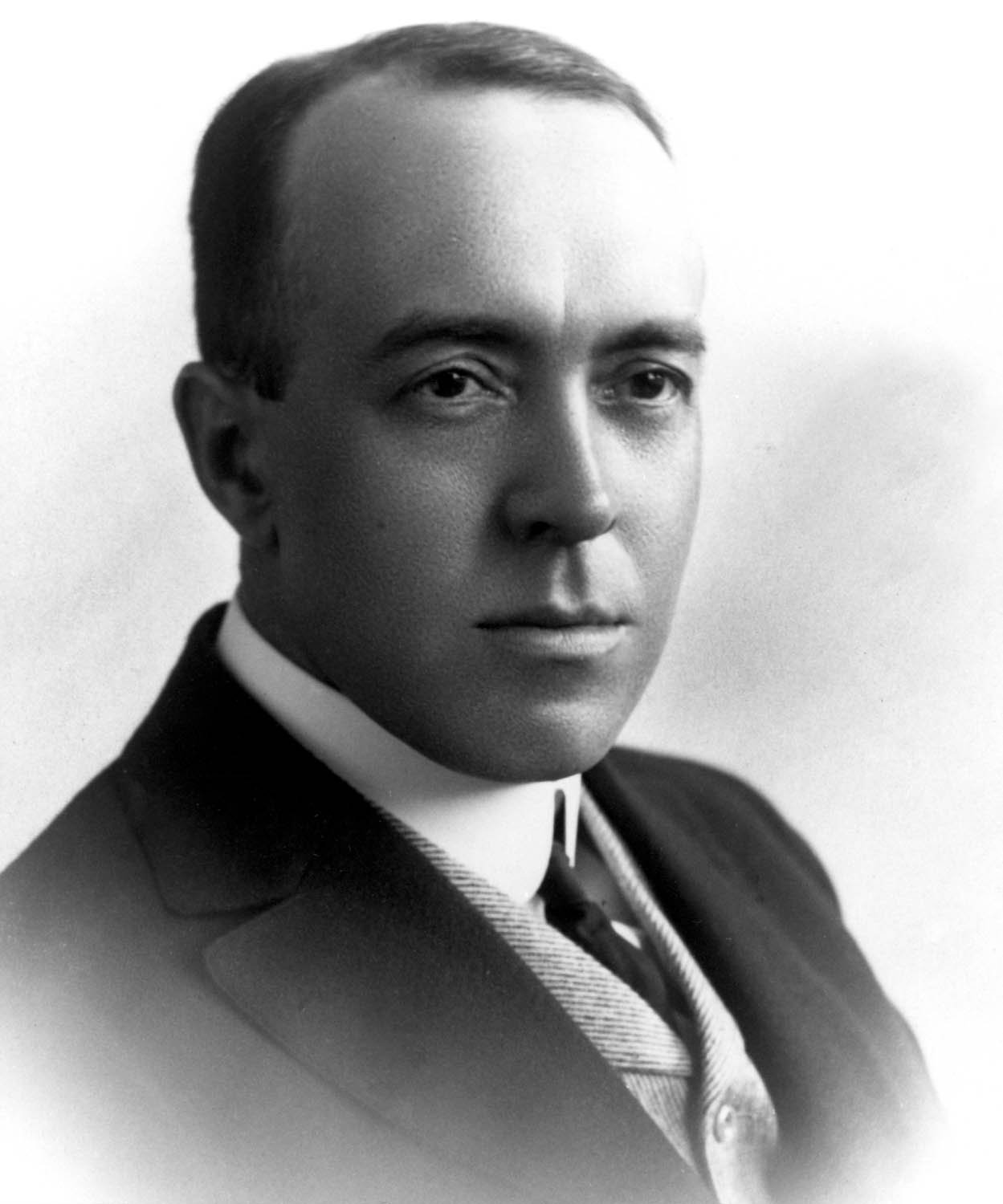
Jim Harmon was an influential American short story author and a prominent historian of popular culture, particularly known for his extensive writings on the Golden Age of Radio. His passion for this era of entertainment led him to produce a wealth of material that not only celebrated the medium but also critically examined its impact on American society. Harmon often wrote under the pseudonym Judson Grey and earned the affectionate title 'Mr. Nostalgia' for his dedication to preserving the memories and significance of radio's golden years. Among his notable works are 'The Great Radio Heroes' and 'The Radio Companion,' which provide insights into the personalities and programs that defined a generation. Harmon’s contributions to the field extended beyond fiction; he was a key figure in documenting the history of radio, ensuring that the stories and experiences of this unique cultural phenomenon were not forgotten. His legacy endures through his writings, which continue to inform and inspire those interested in the evolution of media and its role in shaping popular culture.
Famous Quotes
View all 3 quotes“The fundamental problem with learning mathematics is that while the number sense may be genetic, exact calculation requires cultural tools”
“My dad’s name is Jim, and my mother thought their names starting with the same letter was just further proof that they belonged together. So she named each of her babies a ‘J’ name to fit the mold. She wasn’t terribly original, because in Levan you’ll find families with all ‘K’ names, all ‘B’ names, all ‘Q’ names. You name the letter, and we’ve got it. People even have ‘themes’ for their children’s names - giving them monikers like Brodeo and Justa Cowgirl. I’m not kidding.So in my family we were all J’s - Jim, Janelle, Jacob, Jared, Johnny, and Josie Jo Jensen-the “J Crew.” The only problem with that was that whenever my mom needed one of us she had to run through the litany of ‘J’ names before she stumbled on the right one. I don’t know why I remember this, small as it was, but in the days and weeks before my mom died, I don’t ever remember her tripping over any of our names. Perhaps the distracting details of daily life that had once made her tongue tied dissolved in their insignificance, and she gave her rapt attention to our every word, our every expression, our every move.””
“In Laozi’s original, this verse begins: From one comes two, and this makes three, and thus ten thousand come to be. What do these numbers refer to? How should one interpret them? I base my interpretation on a line from the Great Commentary on the Yijing and another from Richard Wilhelm’s commentary to his 1910 translation of the Dao De Jing. One yin, one yang: this is Dao. (Great Commentary on the Yijing) By the coming forth of the One the Two is created; by the two joining the One the Three comes about. (Richard Wilhelm, p 73) These are the three terms: Dao, yin and yang. One is Dao, the single presence. Two are yin and yang, the complementary aspects of Dao. Three is the sum, the whole. Laozi goes on to locate yin and yang in our direct experience. Just what is the Dao? It is yin on my shoulders And yang in my arms. The three terms Dao, yin and yang are not metaphysical terms. They are not mere words or names. They are concrete, physical, and visible. You can literally point to them with a finger. To look in at the yin, point your finger to your own faceless awareness. To look out at the yang, point your finger to the world of appearances directly in front of you. See that nothing separates this yin and yang. They are two views of your presence, you life in the moment, two views of Dao. Can you see both ways and harmonize and balance the two views? It’s the Way to wholeness. 43.””
Books from the author











Link to this page
Add a free, dofollow link to Lex on your blog, forum, syllabus, or reading list.

<a href="https://lex-books.com/author/jim-harmon"><img src="https://lex-books.com/badges/read-on-lex.svg" alt="Jim Harmon on Lex" width="160" height="40"></a>[](https://lex-books.com/author/jim-harmon)[url=https://lex-books.com/author/jim-harmon][img]https://lex-books.com/badges/read-on-lex.svg[/img][/url]Jim Harmon on Lex: https://lex-books.com/author/jim-harmon