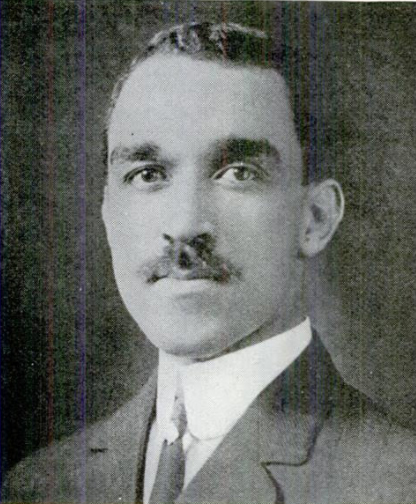
Nels Anderson
Nels Anderson was an influential American sociologist known for his pioneering studies of hobos and urban culture. Born in 1889, he dedicated much of his career to understanding the social dynamics of transient populations and the complexities of work culture in urban settings. His seminal work, "The Hobo: The Sociology of the Homeless Man," published in 1923, provided a comprehensive analysis of the lives and experiences of hobos, shedding light on their social networks, values, and the challenges they faced during the Great Depression. Anderson's research was groundbreaking, as it brought attention to a marginalized group and explored the broader implications of mobility and social class in American society. Anderson's contributions extended beyond his studies of hobos; he also examined various aspects of urban life and labor relations. His work laid the foundation for future sociological research on homelessness and urban studies, influencing generations of sociologists and social workers. Throughout his long career, Anderson remained committed to advocating for the understanding and betterment of the lives of marginalized individuals. His legacy endures in the field of sociology, where his insights continue to inform discussions on social inequality and the human condition.
Famous Quotes
View all 1 quotes“In principio, quando il mondo era giovane, c'erano molti pensieri ma non esisteva nulla si simile a una verità. Le verità le fabbricò l'uomo, e ogni verità fu composta da un grande numero di pensieri imprecisi. Così in tutto il mondo ci furono verità. Ed erano meravigliose. Il vecchio aveva elencato nel suo libro centinaia di verità. Io non cercherò di riferirvele tutte. C'erano la verità della verginità e la verità della passione, la verità della ricchezza e quella della povertà, della modestia e dello sperpero, dell'indifferenza e dell'entusiasmo. Centinaia e centinaia erano le verità, e tutte meravigliose. Poi veniva la gente. Ognuno, appena compariva, si gettava su una delle verità e se ne impadroniva; alcuni, molto forti, arrivavano a possederne una dozzina contemporaneamente. Erano le verità a trasformare la gente in caricature grottesche. Il vecchio aveva una sua complessa teoria a questo proposito. Era sua opinione che quando qualcuno s'impadroniva di una verità, e diceva che quella era la sua verità e si sforzava di vivere secondo essa, allora costui si trasformava in una caricatura, e la verità che abbracciava in una menzogna.””
Books from the author




Link to this page
Add a free, dofollow link to Lex on your blog, forum, syllabus, or reading list.

<a href="https://lex-books.com/author/nels-anderson"><img src="https://lex-books.com/badges/read-on-lex.svg" alt="Nels Anderson on Lex" width="160" height="40"></a>[](https://lex-books.com/author/nels-anderson)[url=https://lex-books.com/author/nels-anderson][img]https://lex-books.com/badges/read-on-lex.svg[/img][/url]Nels Anderson on Lex: https://lex-books.com/author/nels-anderson