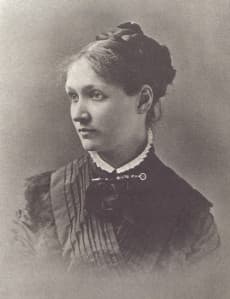
Mary Hallock Foote
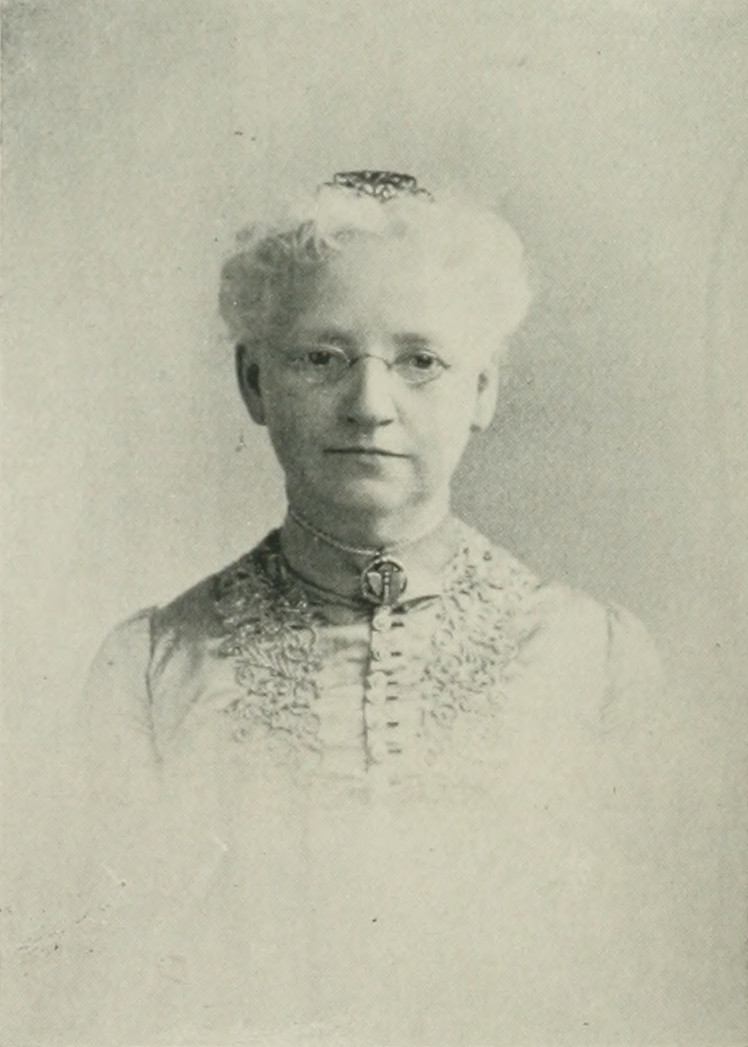
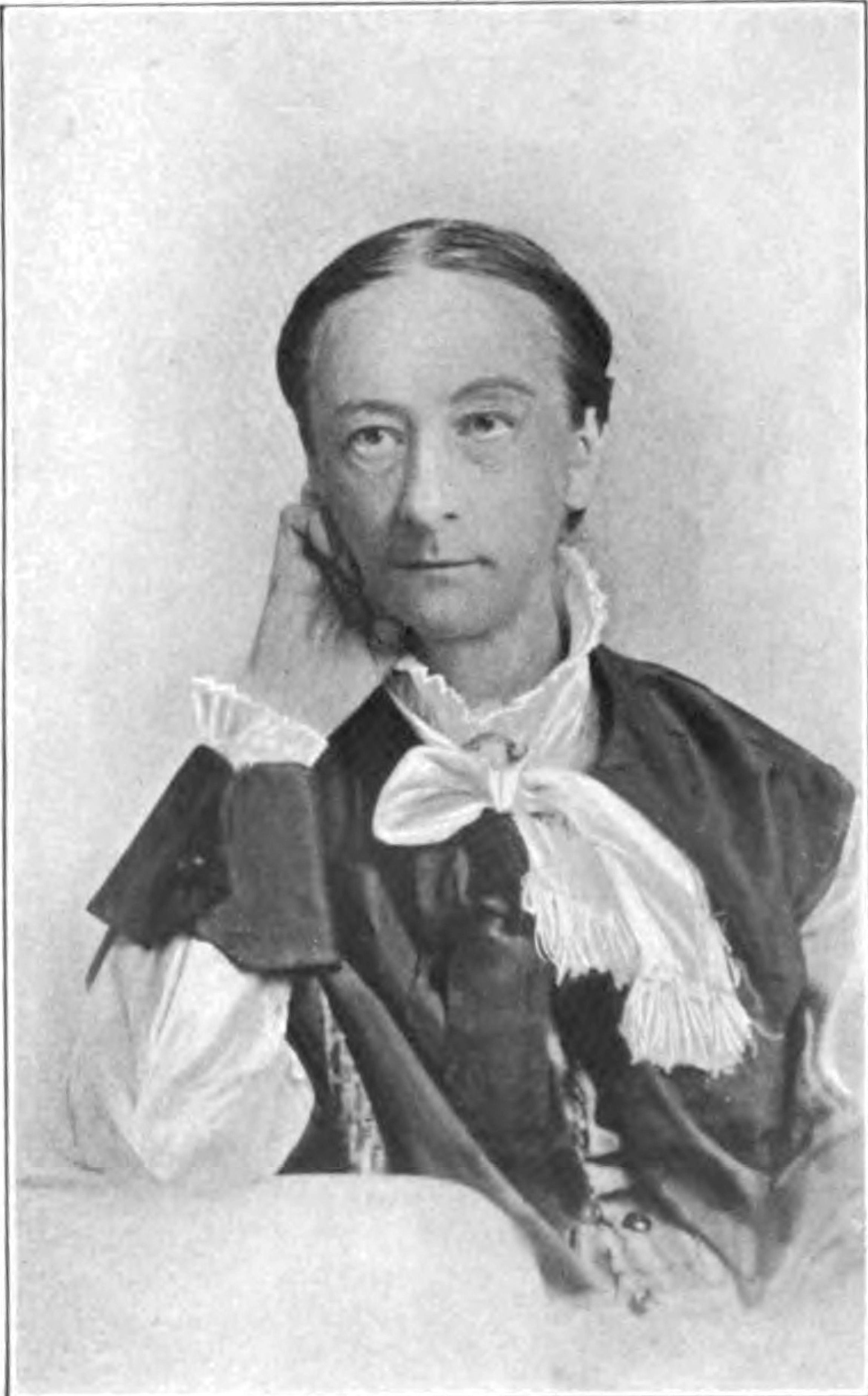
Mary Hallock Foote was an American author and illustrator renowned for her vivid depictions of life in the mining communities of the American West during the late 19th and early 20th centuries. Born in 1847, she grew up in a family that valued education and the arts, which influenced her creative pursuits. Foote's experiences in the rugged landscapes of California and Idaho provided rich material for her writing, allowing her to capture the struggles and triumphs of those living in frontier towns. Her works often featured strong female characters, reflecting her own independent spirit and the changing roles of women in society. Among her notable works are the short story collections "The Chosen Valley" and "The Last of the Plainsmen," as well as her novel "The Led-Horse Claim." Foote's illustrations complemented her narratives, showcasing her dual talent as both a writer and an artist. Her storytelling not only entertained but also offered critical insights into the social and economic challenges faced by mining communities, making her a significant figure in American literature. Foote's legacy endures as a pioneer who illuminated the complexities of life in the West, paving the way for future writers to explore similar themes.
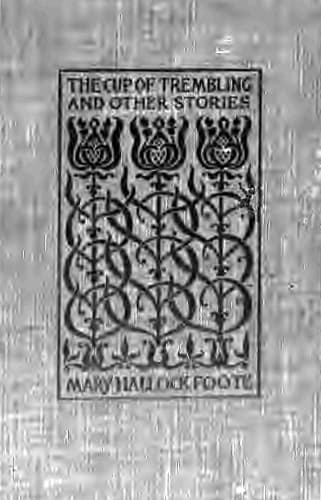
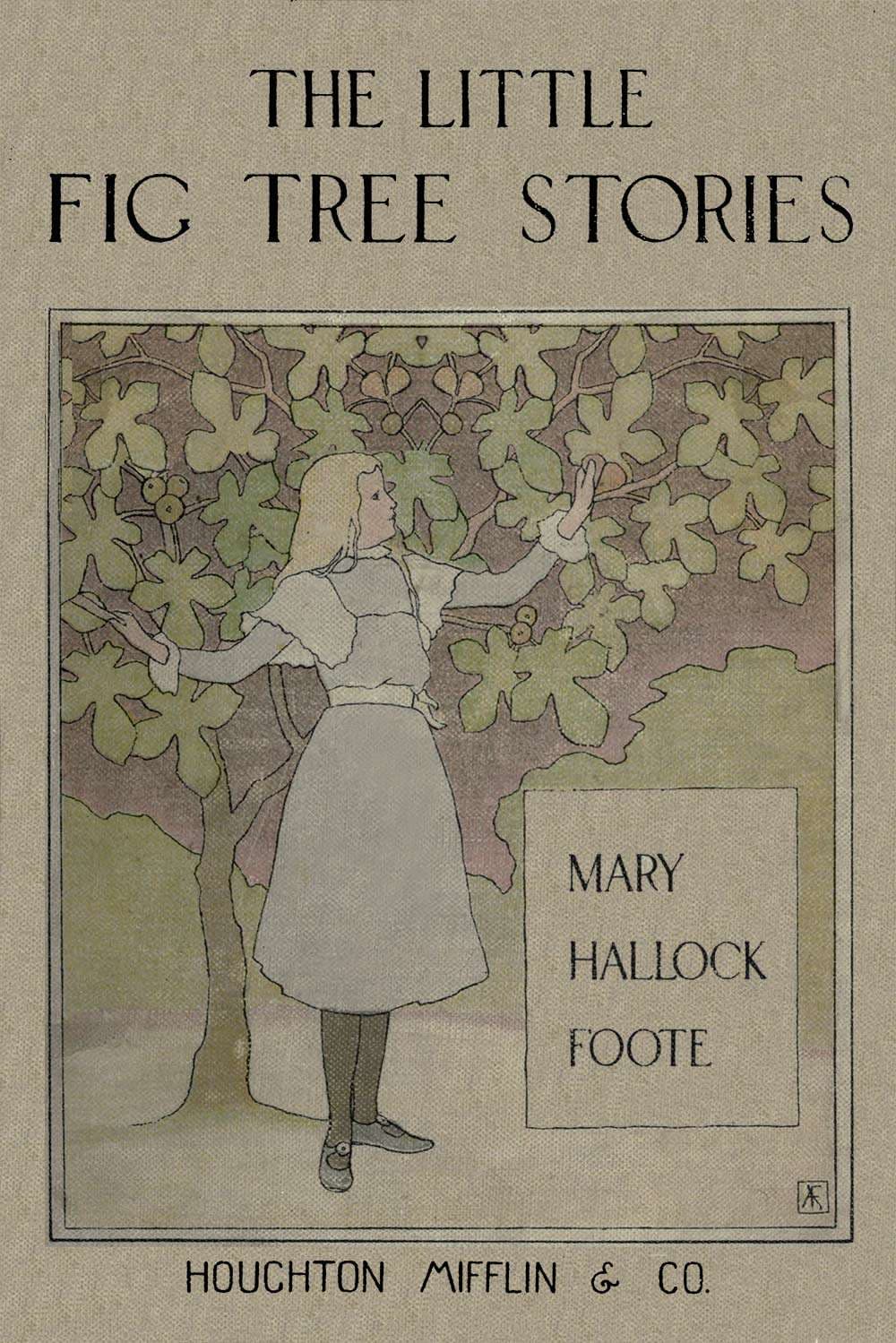
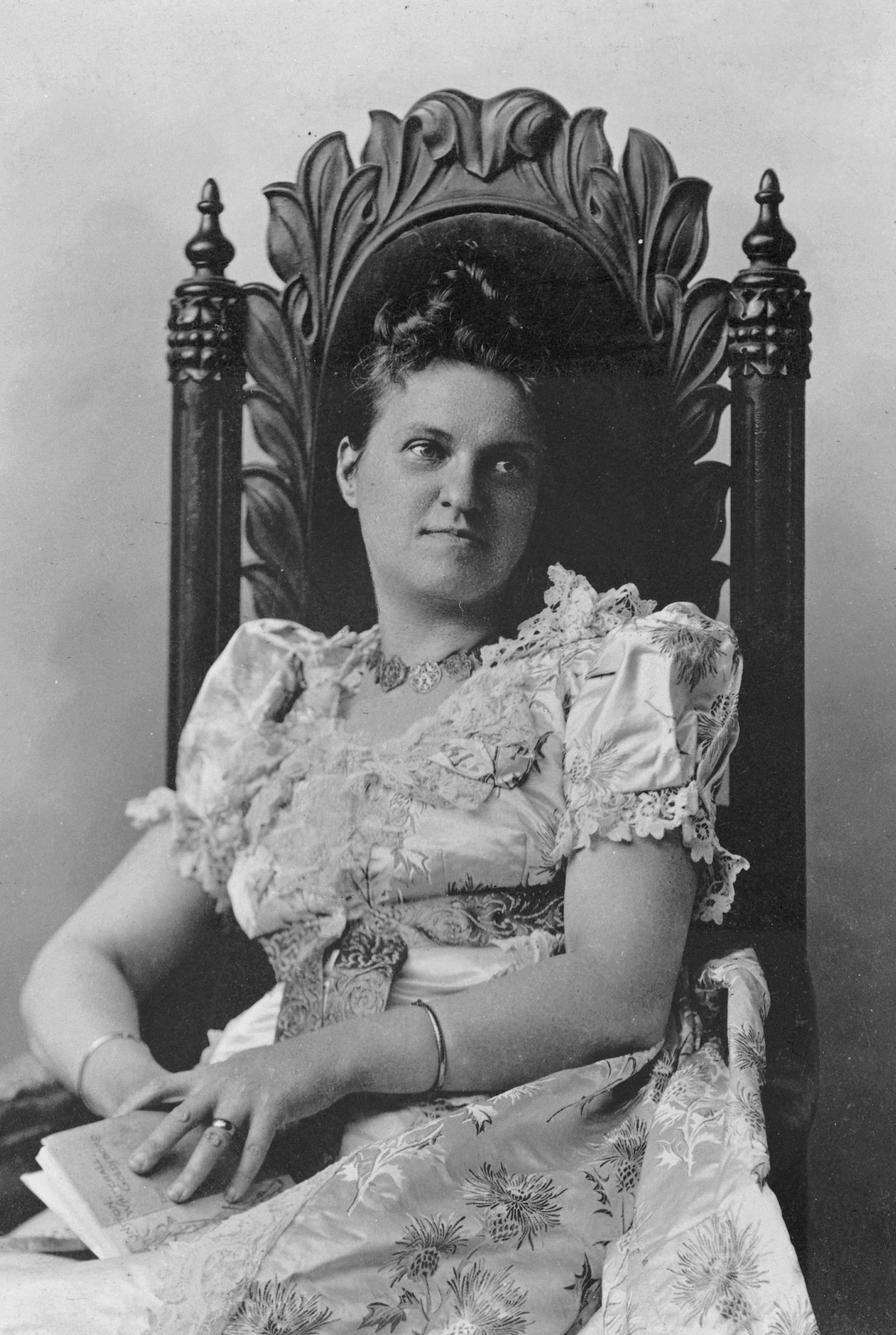
Books from the author


Link to this page
Add a free, dofollow link to Lex on your blog, forum, syllabus, or reading list.

<a href="https://lex-books.com/author/mary-hallock-foote"><img src="https://lex-books.com/badges/read-on-lex.svg" alt="Mary Hallock Foote on Lex" width="160" height="40"></a>[](https://lex-books.com/author/mary-hallock-foote)[url=https://lex-books.com/author/mary-hallock-foote][img]https://lex-books.com/badges/read-on-lex.svg[/img][/url]Mary Hallock Foote on Lex: https://lex-books.com/author/mary-hallock-foote