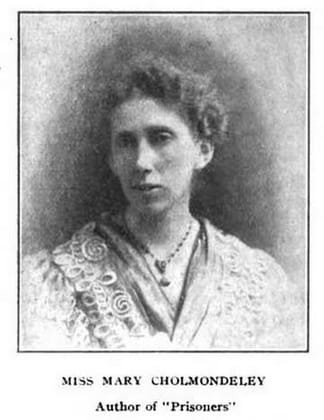
Mary Cholmondeley
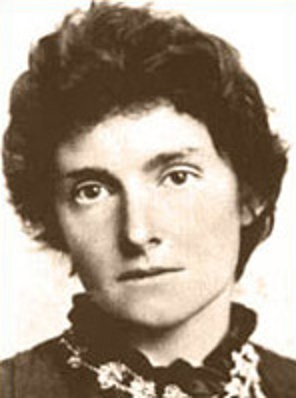
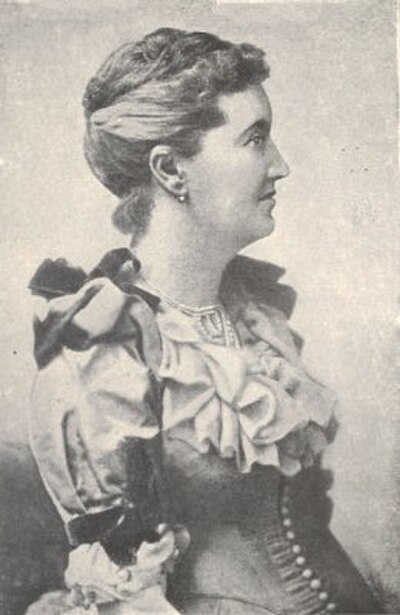
Mary Cholmondeley was an English novelist known for her keen observations of society and her satirical wit. Born into a well-to-do family, she became a prominent figure in the literary circles of her time, with her most notable work, 'Red Pottage,' published in 1899. This novel critically examined the religious hypocrisy and moral constraints of rural life, making a significant impact on contemporary readers and earning her a place in the literary canon. The book's success led to its adaptation into a silent film in 1918, further cementing its relevance in popular culture. Cholmondeley's writing often reflected her progressive views, particularly regarding women's rights and social issues. Her works, including 'The Danvers Jewels' and 'The Land of the Living,' showcased her ability to blend social commentary with engaging narratives. Though she faced challenges as a female author in a male-dominated literary world, her contributions paved the way for future generations of writers. Mary Cholmondeley's legacy endures through her insightful critiques of society and her role in the evolution of English literature.
Famous Quotes
View all 3 quotes“Every year I live I am more convinced that the waste of life lies in the love we have not given, the powers we have not used, the selfish prudence which will risk nothing, and which, shirking pain, misses happiness as well.”
“People, like Sybell, believe one can only sympathize with what one has experienced. That is why they are always saying, 'as a mother,' or 'as a wife.' If that were true the world would have to get on without sympathy, for no two people have the same experience. Only a shallow nature believes that a resemblance in two cups means that they both contain the same wine.”
“A present of books is always an advantage in the country.”
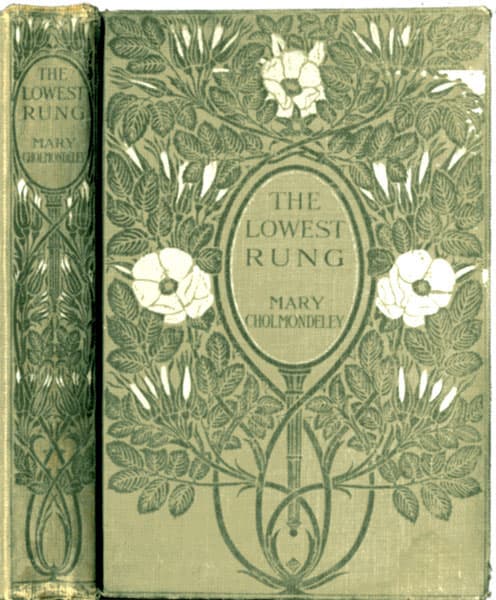
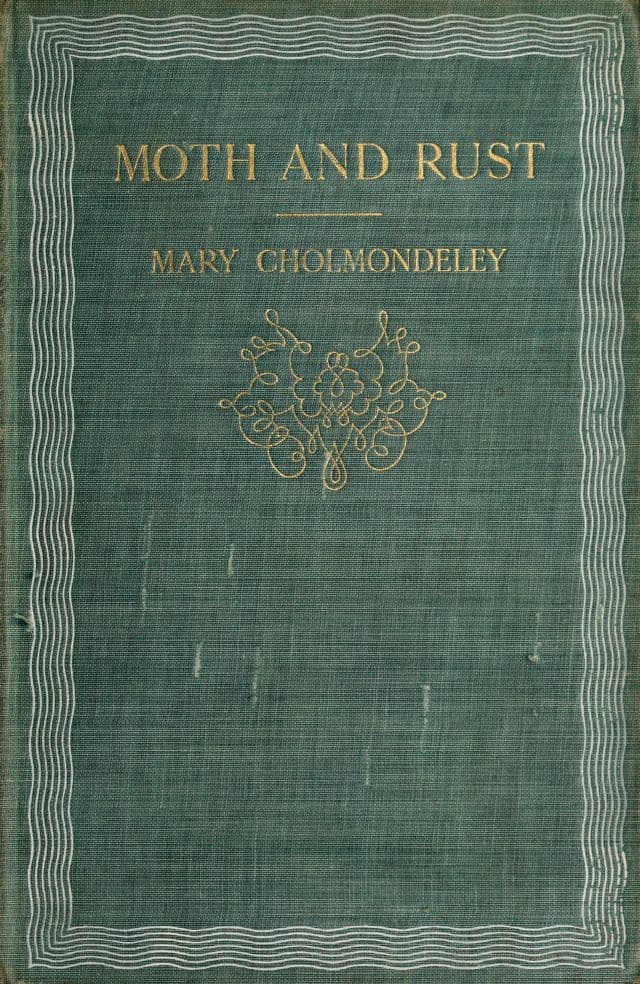
Books from the author


Link to this page
Add a free, dofollow link to Lex on your blog, forum, syllabus, or reading list.

<a href="https://lex-books.com/author/mary-cholmondeley"><img src="https://lex-books.com/badges/read-on-lex.svg" alt="Mary Cholmondeley on Lex" width="160" height="40"></a>[](https://lex-books.com/author/mary-cholmondeley)[url=https://lex-books.com/author/mary-cholmondeley][img]https://lex-books.com/badges/read-on-lex.svg[/img][/url]Mary Cholmondeley on Lex: https://lex-books.com/author/mary-cholmondeley