
Martin Ross
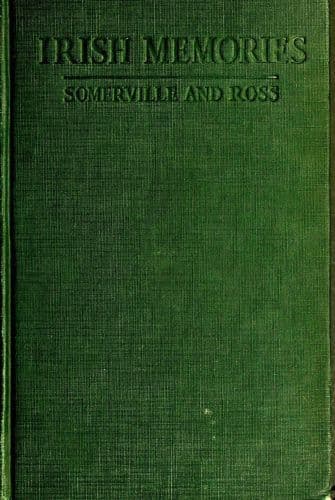
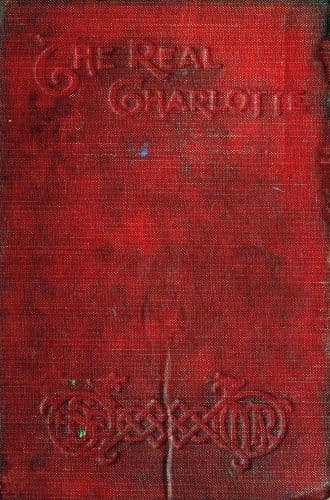
Violet Florence Martin, known by her pen name Martin Ross, was an influential Irish author who made significant contributions to literature in collaboration with her cousin Edith Somerville. Together, they wrote a series of novels that captured the essence of Irish life and culture during the late nineteenth and early twentieth centuries. Their works, including notable titles such as 'The Real Charlotte' and 'Some Experiences of an Irish R.M.', are celebrated for their sharp wit and keen social observation, often blending humor with poignant commentary on the complexities of Irish society. Martin Ross's writing is distinguished by its vivid characterizations and rich depictions of rural Ireland, which resonated with readers of their time and continue to be appreciated today. The duo's unique perspective as women writers in a predominantly male literary landscape allowed them to explore themes of gender, class, and identity in ways that were both innovative and impactful. Their legacy endures not only through their novels but also in the way they paved the way for future generations of female authors, making them significant figures in the canon of Irish literature.
Famous Quotes
View all 14 quotes“Ago era Robb, Bran, Rickon, sua madre, suo padre e anche Sansa. Ago erano le pareti grigie di Grande Inverno e le risate della sua gente. Ago erano le nevicate estive, le storie della vecchia Nan, era l'albero-cuore con le sue foglie rosse e il terribile volto scolpito nel legno, era l'odore caldo di terra dei giardini coperti, il vento del Nord che faceva sbattere le imposte della sua stanza. Ago era il sorriso di Jon Snow. "Mi spettinava e mi chiamava sorellina" ricordò, e d'un tratto le si riempirono gli occhi di lacrime.””
“She was a great and insatiable reader, surprisingly well acquainted with the classics of literature, and unexpectedly lavish in the purchase of books. Her neighbours never forgot to mention, in describing her, the awe-inspiring fact that she 'took in the English and the , and read every word of them,' but it was hinted that the bookshelves that her own capable hands had put up in her bedroom held a large proportion of works of fiction of a startlingly advanced kind, 'and,' it was generally added in tones of mystery, 'many of them French.””
“The book argues that even though many cases have been held up as classic examples of modern American “witch hunts,” none of them fits that description. McMartin certainly comes close. But a careful examination of the evidence presented at trial demonstrates why, in my view, a reasonable juror could vote for conviction, as many did in this case. Other cases that have been painted as witch-hunts turn out to involve significant, even overwhelming, evidence of guilt. There are a few cases to the contrary, but even those are more complicated than the witch-hunt narrative allows. In short, there was not, by any reasonable measure, an epidemic of “witch hunts” in the 1980s. There were big mistakes made in how some cases were handled, particularly in the earliest years. But even in those years there were cases such as those of Frank Fuster and Kelly Michaels that, I believe, were based on substantial evidence but later unfairly maligned as having no evidentiary support.””
Books from the author





Link to this page
Add a free, dofollow link to Lex on your blog, forum, syllabus, or reading list.

<a href="https://lex-books.com/author/martin-ross"><img src="https://lex-books.com/badges/read-on-lex.svg" alt="Martin Ross on Lex" width="160" height="40"></a>[](https://lex-books.com/author/martin-ross)[url=https://lex-books.com/author/martin-ross][img]https://lex-books.com/badges/read-on-lex.svg[/img][/url]Martin Ross on Lex: https://lex-books.com/author/martin-ross